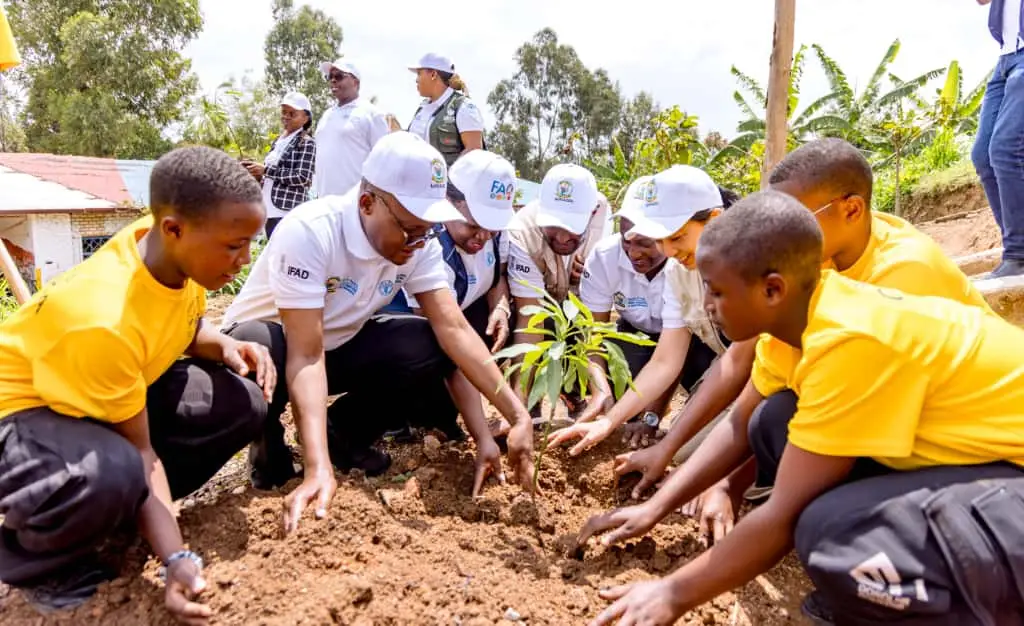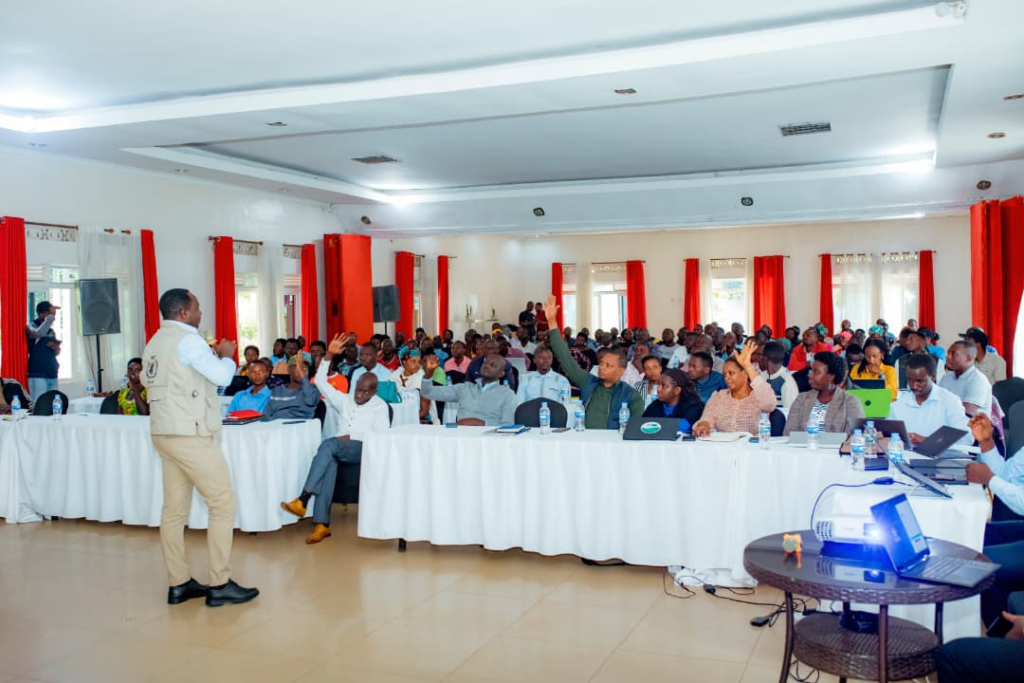
Commercialization and De-risking for Agricultural Transformation Project (CDAT) Innovation Challenge Fund reaches over 10,000 farmers as smart agriculture solutions boost productivity, save water and create jobs
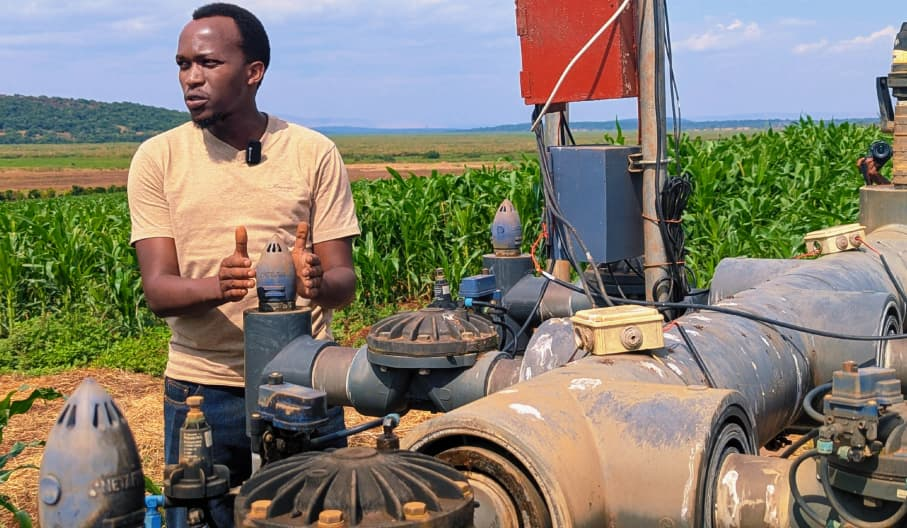
Young innovators are playing role in transforming Rwanda’s agriculture sector, using technology to tackle challenges ranging from low productivity and water shortages to post-harvest losses and limited market access.
Through the Innovation Challenge Fund (ICF) under the Commercialization and De-risking for Agricultural Transformation (CDAT) Project, youth-led enterprises are developing digital solutions that help farmers increase production, improve crop quality, reduce losses and access markets more efficiently.
The initiative, implemented by the Rwanda Agriculture and Animal Resources Development Board (RAB) in partnership with the Ministry of ICT and Innovation through the Hanga Pitch Fest programme, aims to accelerate the use of technology across Rwanda’s agri-food sector.
The programme has already recorded significant results. More than 10,000 farmers have been reached through training and technology adoption programmes, while 2,246 farmers are actively using innovative agricultural technologies. The initiative has also created 126 jobs, with women occupying 46 percent of those positions. In addition, 90 percent of supported enterprises are youth-led and 30 percent are women-led.
Bringing Technology to the Farm
Among the businesses supported by the fund is Famoja Limited, a Rwandan agritech company that has developed CropGuard currently being piloted at Gabiro Agribusiness Hub in Nyagatare District, a smart farming system powered by soil sensors, solar energy and artificial intelligence.
The company’s Managing Director, Bruce Mutangana, said the technology helps farmers make informed decisions by providing real-time information about soil conditions.
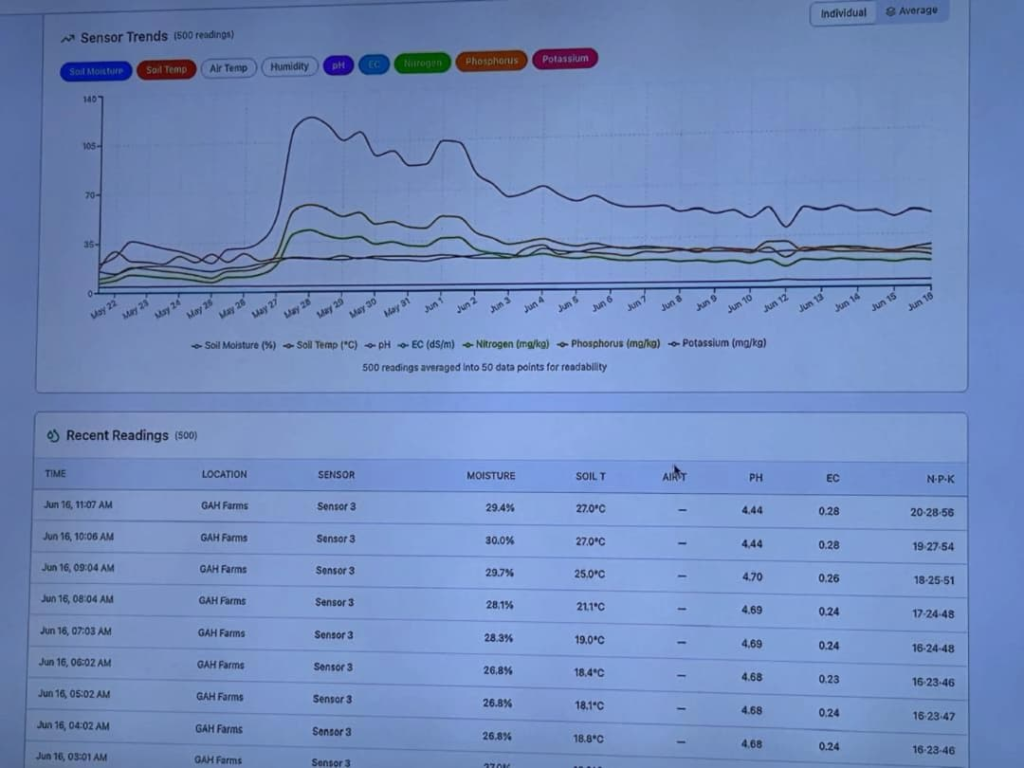
“Our technology uses sensors placed in the soil to measure moisture and temperature. The information is sent to our platform, where farmers can monitor their farms from anywhere in Rwanda or even outside the country,” Mutangana said.
CropGuard also enables farmers to remotely manage irrigation systems by opening and closing water valves through a digital platform.
According to Mutangana, the technology was designed to help farmers improve both the quality and quantity of their harvests.
“Many farmers struggle to produce enough crops or achieve the quality required by premium markets. We want to help them improve both. When farmers produce high-quality crops in larger quantities, they can access better markets and earn higher incomes,” he said.
Saving Water Through Precision Agriculture
Water management has become increasingly important as climate change affects rainfall patterns and water availability.
Mutangana said many farmers unknowingly waste water by applying too much irrigation or fail to provide crops with enough water.
“Every crop has different water requirements. Maize does not need the same amount of water as tomatoes. Our technology helps ensure that crops receive exactly the amount of water they need no more and no less,” he explained.
The approach, known as precision agriculture, allows farmers to use resources more efficiently while improving productivity.
The system also reduces labour requirements by enabling farmers to monitor their fields remotely.
“A farmer may spend six hours a day checking irrigation systems in the field. With our platform, they can monitor everything from wherever they are. This saves time, reduces labour costs and allows them to produce more with fewer resources,” Mutangana added.
The company’s guiding principle is simple: “Grow more with less.”
Helping Farmers Adapt to Climate Change
Beyond irrigation, CropGuard collects valuable agricultural data that could help farmers respond to climate change.
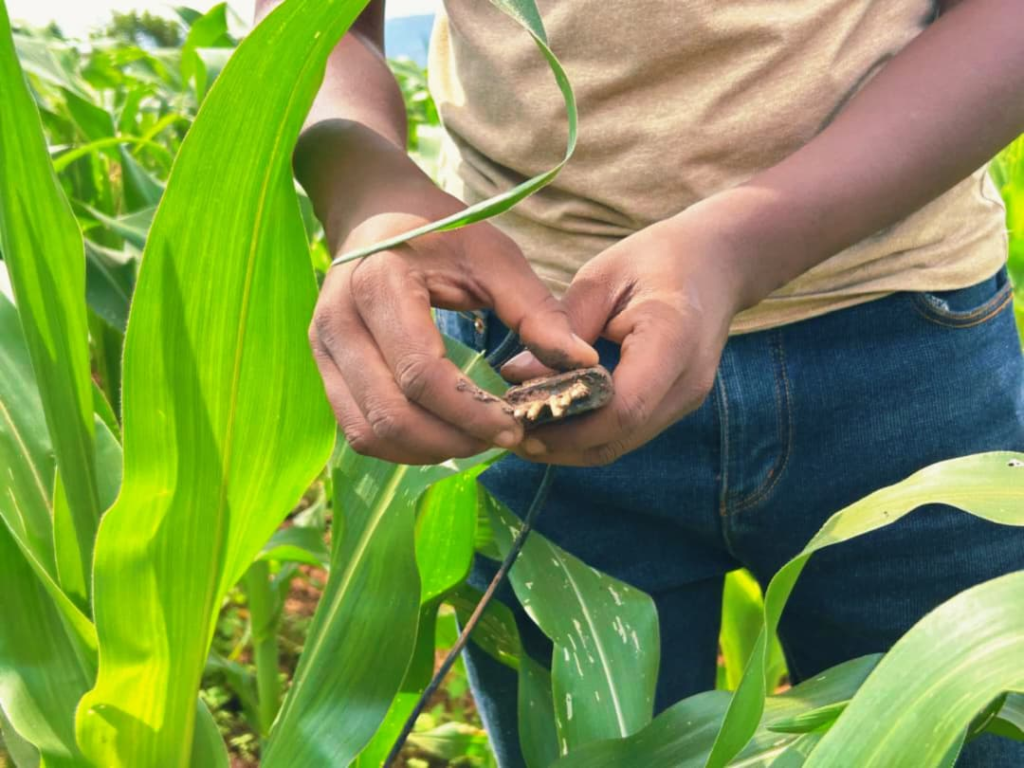
Mutangana said the company combines Internet of Things (IoT) technology with artificial intelligence to analyse weather patterns and soil conditions and provide practical recommendations to farmers.
“As we collect more data, we can study how climate conditions are changing and provide advice to farmers. We do not want to only provide information; we want to give recommendations that help farmers make better decisions,” he said.
The company hopes to expand its services beyond irrigation and support farmers throughout the agricultural value chain, from production to market access.
Government Invests in Youth-Led Innovation
Officials say the Innovation Challenge Fund was created after identifying major challenges facing Rwanda’s agriculture sector.
Janvier Ahimanishyiza, an advisor at RAB’s Single Project Implementation Unit (SPIU), said the programme focuses on three key areas: increasing agricultural productivity, reducing post-harvest losses and improving access to markets through technology.
“Before launching the programme, we studied the problems farmers face. We found that technology could help improve production, reduce losses after harvest and connect farmers to markets more efficiently,” he said.
The programme supports young innovators developing solutions such as smart irrigation systems, digital marketplaces, greenhouse technologies, cooperative management platforms and post-harvest management tools.
According to Janvier, many of the innovators began with simple ideas or early-stage prototypes.
“Most of these young people had ideas but not fully developed businesses. The support they received helped transform those ideas into practical solutions that are now being used by farmers,” he said.
Growing Impact Across Rwanda
The impact of the programme is already visible in farming communities across the country.

Mugambira Bonfils Roger, Head of Value Chain Development and Access to Finance under the CDAT Project, said thousands of farmers are now benefiting from digital tools that improve farm management and market access.
One of the supported platforms, Free Farmers, currently serves more than 1,200 households that use technology to buy agricultural products every day.
Another digital system designed to improve cooperative management has already been adopted by more than 50 cooperatives.
Roger added that the programme provides grants to selected innovators, helping them transform promising ideas into scalable businesses.
A Long Road Ahead
Despite the progress, officials acknowledge that technology adoption remains low compared to the size of Rwanda’s farming population.
With more than two million farmers nationwide, expanding access to agricultural innovation remains a major challenge.
However, project leaders remain optimistic that continued investment in technology and youth entrepreneurship will accelerate the sector’s transformation.
“Agriculture employs the majority of Rwandans. If we continue introducing innovation and helping farmers adopt technology, we can improve productivity, create jobs and strengthen food security,” Habimana said.
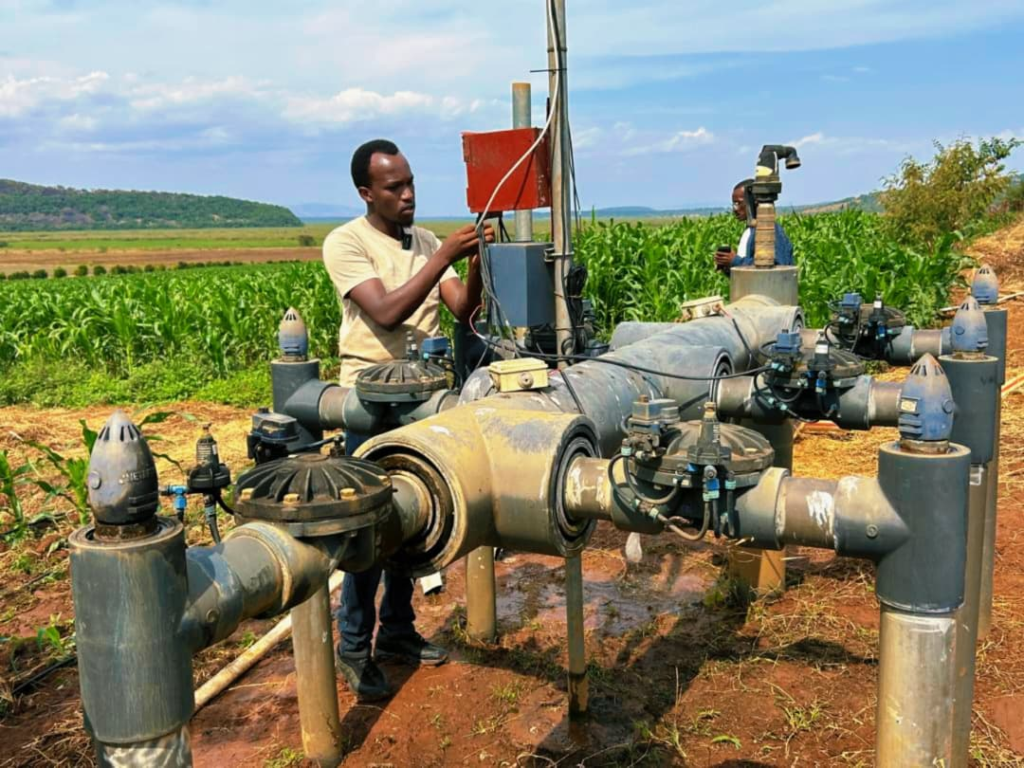
For Mutangana, the future of agriculture lies in treating farming as a modern business rather than a subsistence activity.
“We want to support farmers from the field all the way to the market. Agriculture should not be seen as an activity for retirement. It should be a modern business that creates wealth, jobs and economic growth,” he said.
As Rwanda continues investing in digital agriculture, the success of the Innovation Challenge Fund demonstrates how youth-led innovation is helping build a more productive, efficient and climate-resilient agricultural sector. What started as ideas in the minds of young entrepreneurs is now delivering practical solutions that are improving the lives of thousands of farmers across the country.