For many farmers, growing vegetables is only the first step. The bigger challenge comes after harvest: finding buyers, transporting produce safely, and getting paid on time.
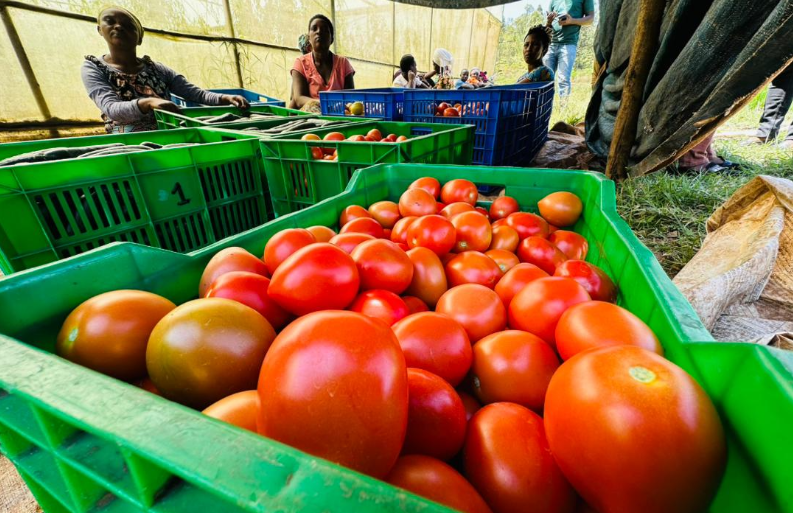
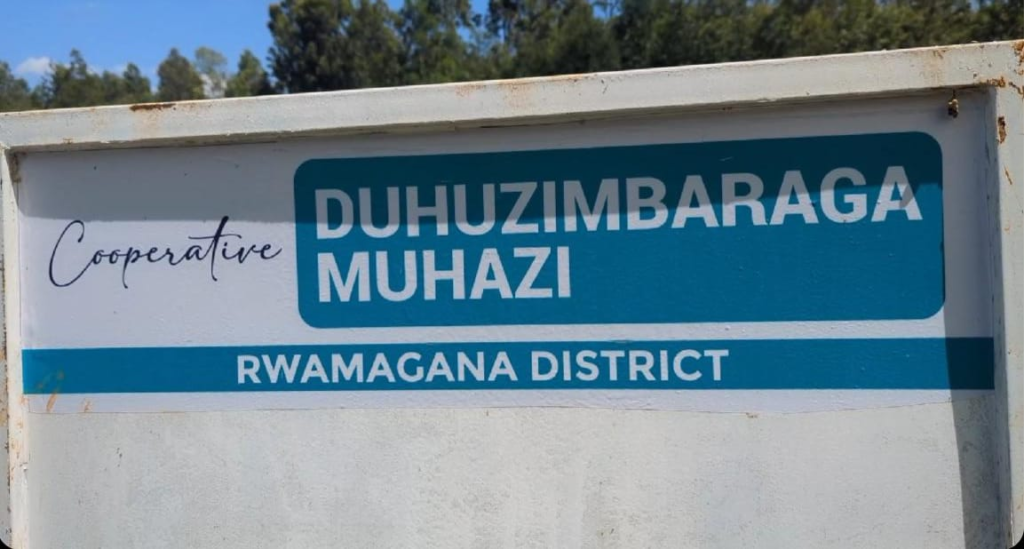
For years, members of DUHUZIMBARAGA MUHAZI Cooperative in Muhazi Sector, Rwamagana District, faced exactly these problems. Despite producing tomatoes, cucumbers, sweet peppers, and chili peppers, much of their harvest never reached consumers in good condition.
Today, that story is changing.
Thanks to a partnership with Afri Farmers Market Ltd, an agritech company supported through the Commercialization and De-Risking for Agricultural Transformation (CDAT) Project’s Innovation Challenge Fund,The initiative, implemented by the Rwanda Agriculture and Animal Resources Development Board (RAB) in partnership with the Ministry of ICT and Innovation through the Hanga Pitch Fest programme, aims to accelerate the use of technology across Rwanda’s agri-food sector, farmers are using digital markets and modern logistics to sell more produce, reduce losses, and significantly increase their income.
The results have been remarkable. The cooperative’s seasonal revenue has increased from about RWF 4 million to more than RWF 8 million, while post-harvest losses that once consumed nearly 40 percent of production have been largely eliminated.
A Harvest Without a Market
DUHUZIMBARAGA MUHAZI Cooperative started as a farmers’ group before becoming a registered cooperative in 2018. Today, it has 26 members, including 12 women, 14 men, and seven young people.
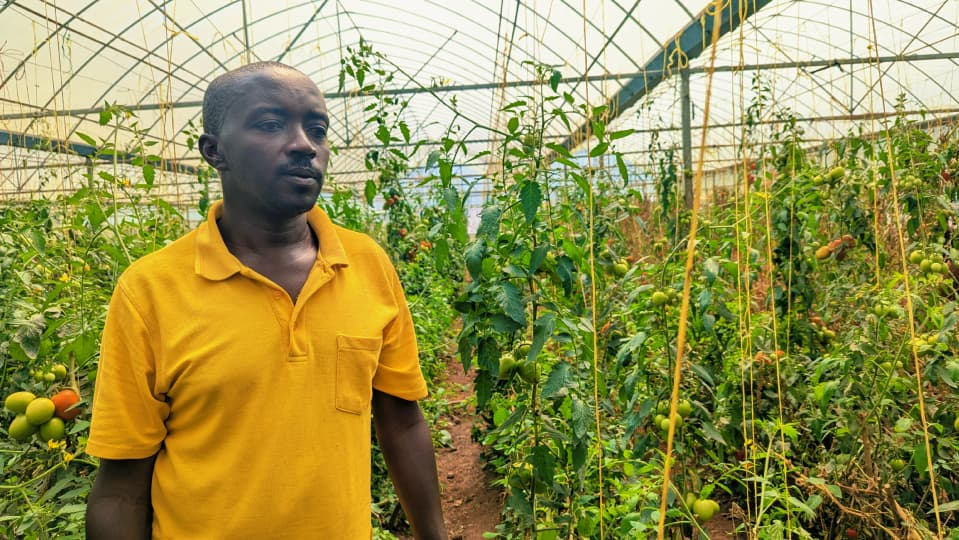
The cooperative grows vegetables in greenhouses and on more than four hectares of open fields. However, producing quality crops did not always mean earning good profits.
According to cooperative president Nyamurasa Jean Marie Vianney, finding reliable markets was their biggest challenge.
“We were producing vegetables, but selling them was a major problem. Sometimes we struggled to find buyers. Payments were often delayed, and a large part of our harvest was damaged before reaching the market because produce was transported using traditional methods,” he said.
Farmers often carried produce on bicycles or packed it into sacks for transport to local markets. Tomatoes and cucumbers were frequently damaged on rough roads. By the time they reached buyers, prices had fallen or the produce had already started to spoil.
“Nearly 40 percent of our harvest was being lost. Many vegetables were damaged during transportation. Some spoiled before reaching the market, and others lost value because we had no guaranteed buyers,” Nyamurasa explained.
These losses translated directly into lower incomes for farming families.
Technology Changes Everything
The turning point came earlier this year when the cooperative partnered with Afri Farmers Market Ltd.
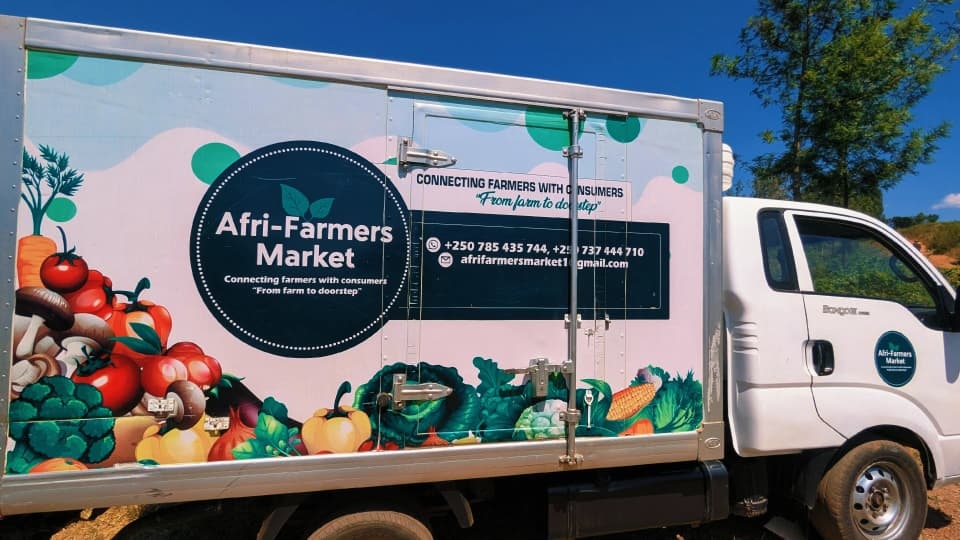
Unlike traditional traders, the company uses digital technology to connect farmers directly with buyers while providing services that reduce losses throughout the supply chain.
The company collects produce from farms, sorts and grades it, then markets it through an online platform where households, businesses, hotels, and institutions can place orders.
Most importantly for farmers, the company provides refrigerated transportation and harvesting crates that help keep vegetables fresh from farm to customer.
Today, trucks arrive directly at the cooperative to collect produce.
“Afri Farmers buys our produce here at the farm. They bring crates for packaging, transport the harvest safely, and pay us on time. We no longer worry about products being damaged on the way to market,” Nyamurasa said.
The cooperative has also benefited from interest-free financing, allowing farmers to invest more confidently in production.
“Before, we were afraid to borrow money because we did not know whether we would find a market. Now we know our produce has buyers. That gives us confidence to invest and expand,” he added.
Income Doubles as Losses Fall
The impact of the partnership is clearly visible in the cooperative’s finances.
Before working with Afri-Farmers Market, the cooperative earned less than RWF 4.5 million during a production season. Today, seasonal earnings exceed RWF 8 million.
“The difference is huge. Before, we were losing almost half of what we produced. Now almost everything reaches the market. The harvest is sold, payments are reliable, and our income has increased significantly,” Nyamurasa said.
For cooperative members, higher earnings are improving daily life.
The cooperative now helps members pay for community health insurance, supports families during emergencies, and provides incentives to members throughout the year.
Farmers Feel the Difference
Rukundo Jeannette, a member of the cooperative, remembers how difficult it was to market vegetables before the partnership.
“Before, we harvested our produce and carried it on our heads or transported it by bicycle. By the time we reached the market, some of the vegetables were already damaged,” she said.
Today, things are very different.
“Trucks come directly to the farm. We pack our produce and it is taken safely to the market. Our work has become much easier.”
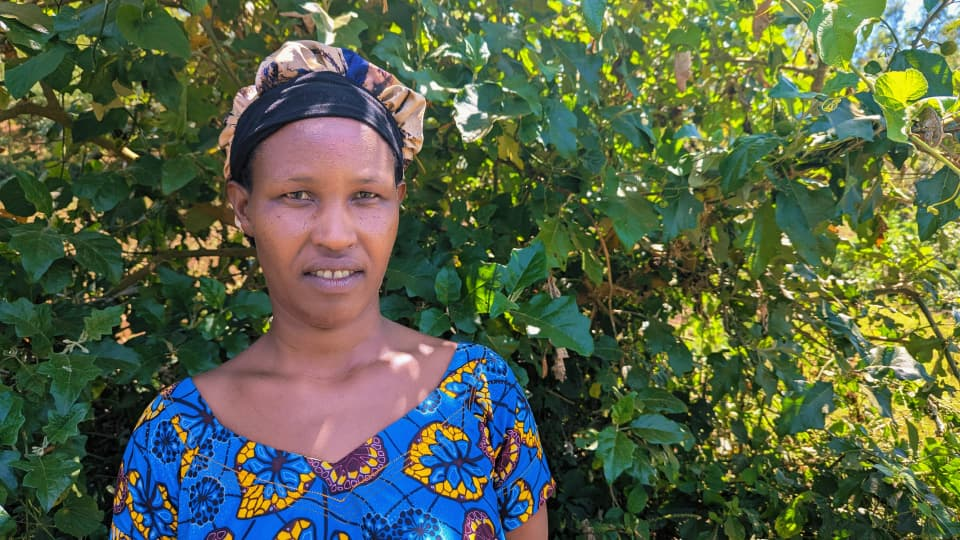
Jeannette says digital tools have also changed how farmers do business.
“Now we receive payments through mobile phones and banks. We do not have to carry cash. We can also share information about our produce through WhatsApp and communicate with buyers more easily,” she explained.
She says the higher and more stable income has improved the lives of cooperative members.
“Our income has increased and our families are living better. We can pay for our needs more easily, and we no longer worry as much about losing our harvest.”
Better Income Changes Lives
The increase in income is creating real changes for farming families and encouraging more people, especially young people, to see agriculture as a business.
Nyamurasa says the cooperative’s success has allowed members to improve their livelihoods and invest in the future.
“Today our members can pay for health insurance, support their families, and solve some of the challenges they face at home. Farming has become more profitable because we are no longer losing a large share of our harvest,” he said.
The cooperative is also creating jobs in the community. During peak harvest periods, it employs up to 60 workers, including women and young people.
“Young people come to work with us because they can earn money from agriculture. They are seeing that farming can be a business and not just a way of surviving,” he added.
For cooperative members, the biggest change is the confidence that comes from knowing there is a ready market for what they produce.
“Before, we worked hard without knowing whether we would sell our harvest. Today, we produce knowing that there is a buyer waiting. That peace of mind is very important for farmers.”
Digital Markets Open New Opportunities
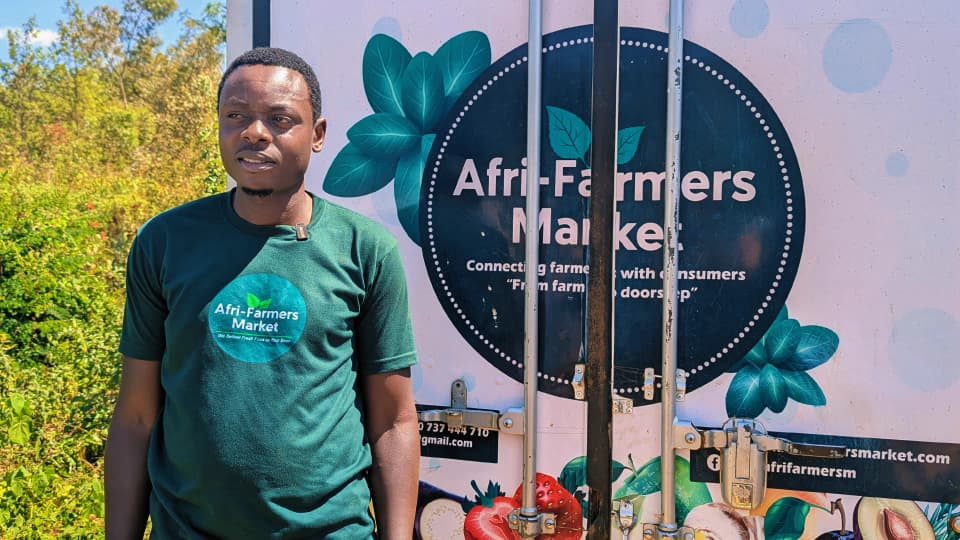
According to Alex Kyeyune, Head of Agriculture and Research at Afri-Farmers Market, the company was created to solve one of the biggest challenges facing Rwanda’s smallholder farmers: market access.
“Most farmers face problems after harvest. They produce quality crops, but they struggle to find markets. Our mission is to connect farmers with reliable buyers through technology,” he said.
The company currently works with nearly 13,000 farmers across 15 districts in Rwanda.
Using digital tools, Afri Farmers tracks production, forecasts harvests, and matches farmers with market demand. Customers can order fresh produce through the company’s website and mobile applications, while farmers receive support throughout the production cycle.
“We collect produce directly from farmers, transport it in refrigerated trucks, sort and grade it according to quality standards, and then sell it through our e-commerce platform. This helps reduce waste and ensures farmers get better value for their products,” Kyeyune explained.
He added that support from the CDAT Innovation Challenge Fund helped the company acquire refrigerated trucks, cold storage facilities, and digital systems that have dramatically reduced post-harvest losses.
“Previously, products like tomatoes and cucumbers could be damaged during transportation because of heat and poor handling. Today, produce leaves the farm and reaches customers while still fresh,” he said.
A Model for Agricultural Transformation
For the cooperative’s members, digital markets have transformed farming from a risky activity into a growing business.
The group now plans to buy additional land, expand greenhouse production, and eventually purchase its own transport vehicle to support future growth.
As Rwanda continues to invest in agricultural innovation, partnerships between farmer cooperatives and technology-driven agribusinesses are proving that digital solutions can do more than connect buyers and sellers. They can reduce food waste, increase incomes, create jobs, and improve the lives of farming families.
For farmers in Muhazi, says that the results are already clear: because they are witnessing how when technology connects farmers to markets, everyone benefits.