Youth leaders, health workers and community health officials have called for dedicated mental health services in every youth center across Rwanda, citing a growing number of young people struggling with mental health challenges.
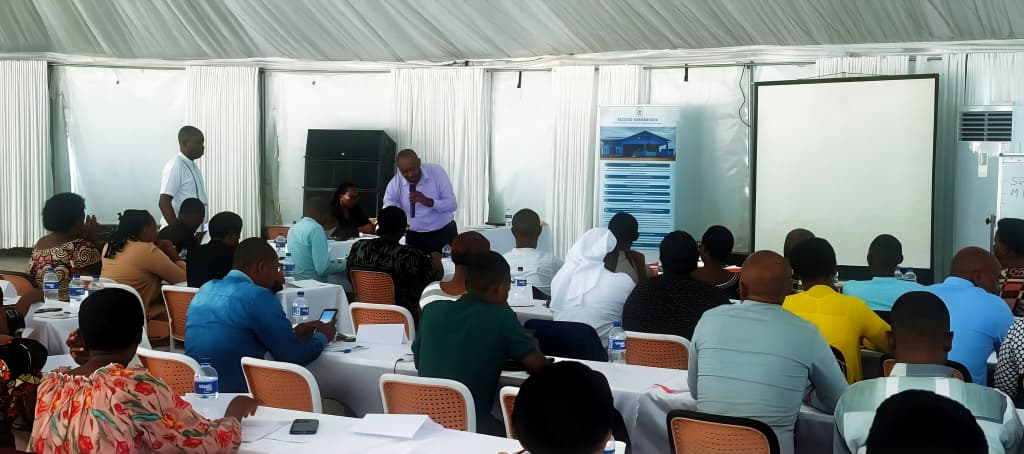
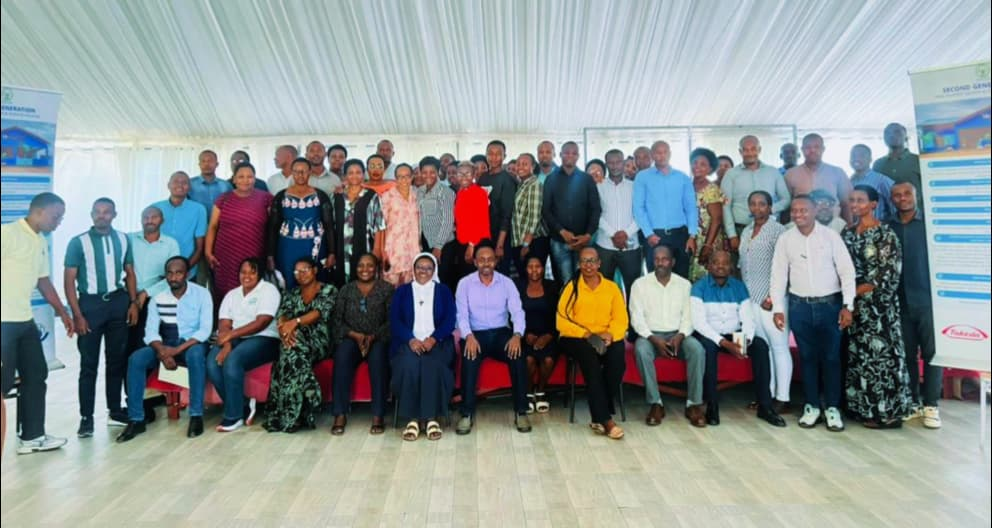
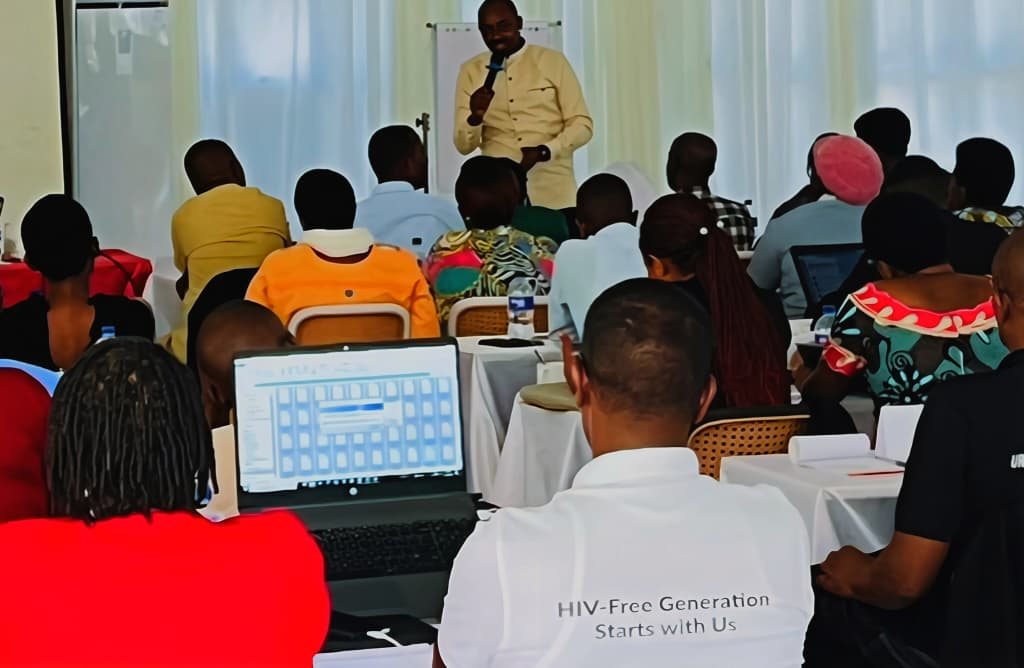
The call was made during a two-week integrated training organized by the Society for Family Health (SFH) Rwanda in partnership with the Rwanda Biomedical Centre (RBC) and the Rwanda Network of People Living with HIV/AIDS (RRP+). The training brought together youth coordinators, peer educators, health center leaders, nurses and youth-friendly service providers from several districts Bugesera, Nyagatare, Karongi, Muhanga, Gisagara and Nyamasheke districts to strengthen efforts in sexual and reproductive health, HIV prevention and mental health support. Participants were trained to supervise peer educators, strengthen referral systems and improve youth-friendly health services.
Participants said the training came at a critical time as Rwanda continues to address challenges facing adolescents and young people, including teenage pregnancy, HIV infections, substance abuse and mental health concerns.
Youth Centers Facing Growing Mental Health Cases
Among the messages that emerged from the training was the urgent need to invest more in mental health services for young people.
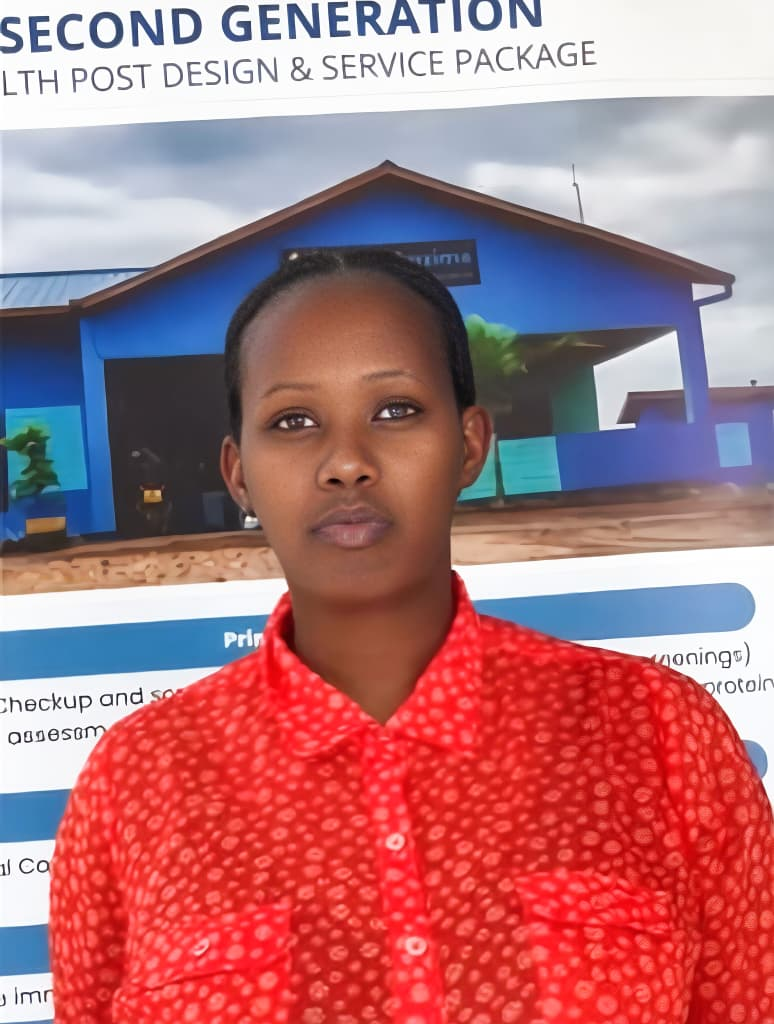
Murungi Apofia, Director of the Bugesera Youth Center, said youth centers are increasingly receiving young people facing mental health difficulties, yet many centers lack trained professionals to provide the necessary support.
“We are witnessing many cases related to mental health among young people. Efforts are being made to address these issues, but mental health is still not receiving the attention it deserves. Every youth center should have a mental health professional who can support young people facing emotional and psychological challenges. This is an issue that requires collaboration between government institutions and development partners because the number of cases continues to increase,” she said.
Apofia thanked SFH Rwanda and its partener RBC and RRP+ for bringing together youth representatives and health service providers to strengthen knowledge and collaboration.
“These trainings are helping us improve our knowledge and work together to prevent new HIV infections, support treatment adherence among those living with HIV and ensure young people have access to quality health services,” she added.
Strengthening Youth-Led Responses
Jean Claude Cyiza, an official from the Rwanda Network of People Living with HIV/AIDS (RRP+), said the training focused on empowering peer educators who work directly with young people in their communities.
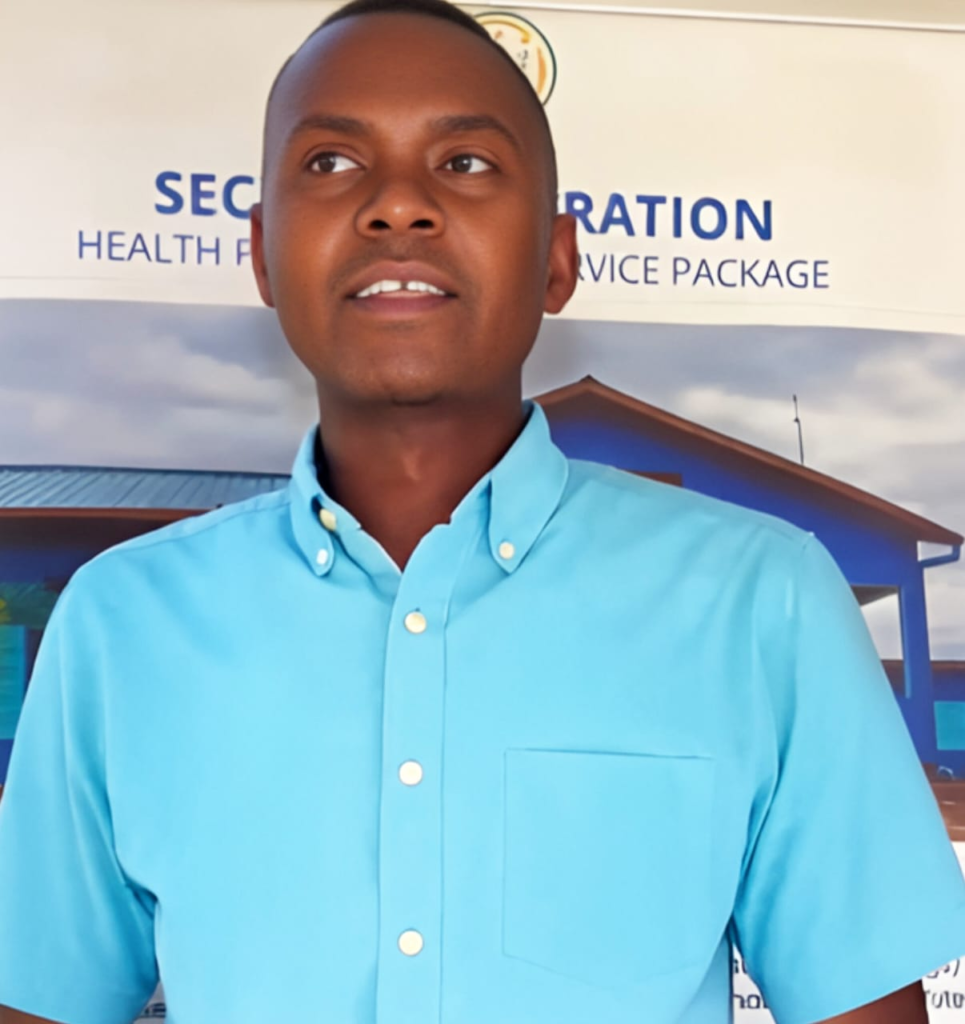
According to Cyiza, participants received practical knowledge on sexual and reproductive health, mental health and HIV prevention to help them better support their peers.
“The objective was to equip peer educators with the skills they need to support fellow young people in their communities. Young people often seek advice from their friends before approaching health professionals. When peer educators have accurate information, they can guide their peers, identify challenges early and refer them to appropriate services,” he said.
He added that a second phase of the training involved health facility managers, youth corner focal persons and youth coordinators to ensure stronger coordination between communities and health services.
“We wanted health service providers and youth leaders to work together. This partnership will help improve youth-friendly services and strengthen efforts to prevent new HIV infections among young people,” he said.
Health Workers Ready to Improve Services
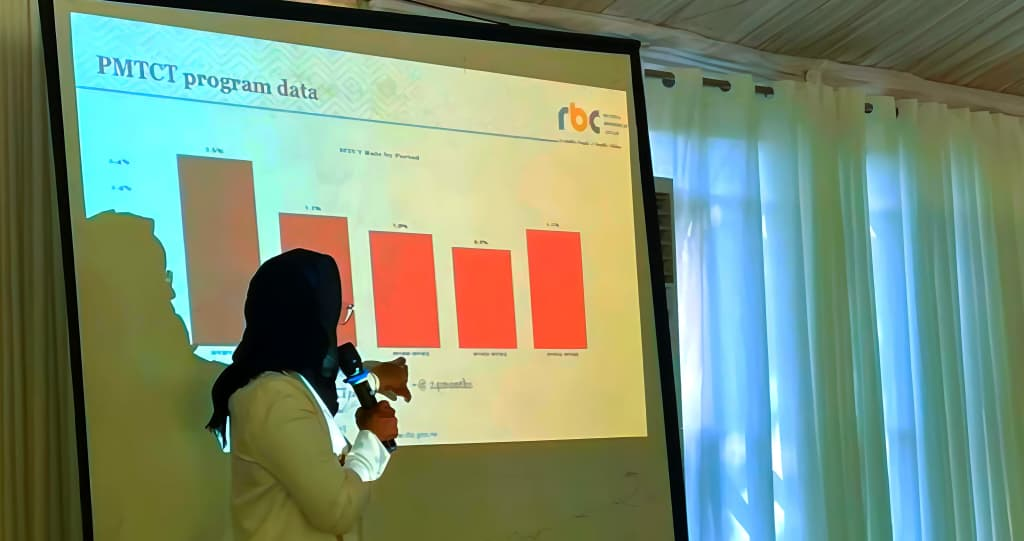
Health workers who attended the training said the knowledge gained would help them provide better services to adolescents and young adults.
Mukotanyi Emmy, a nurse operator from Nyagatare District, said the training gave participants practical tools for dealing with challenges affecting young people.
“The sessions on reproductive health, HIV prevention and mental health were extremely useful. We now have a better understanding of how to support young people, how to guide them and how to help them make informed decisions. These skills will improve the services we provide every day in our health facilities,” he said.
Emmy noted that many communities continue to face challenges related to adolescent health and HIV prevention.
“This knowledge will help us strengthen youth-friendly services and contribute to healthier communities,” he added.
Tackling Teenage Pregnancy and HIV
The training also focused on preventing teenage pregnancy and reducing new HIV infections among adolescents and young adults.
Aimable Nsanzabaganwa, one of the national trainers, said discussions centered on reproductive health education, HIV prevention and mental health, with a particular focus on substance abuse prevention.
“Teenage pregnancy remains a serious challenge affecting young people. We educated participants about body changes during adolescence, responsible decision-making and ways to prevent unintended pregnancies. We encouraged self-control, healthy choices and responsible behavior among young people,” he said.
On HIV prevention, Nsanzabaganwa stressed the importance of regular testing and early treatment.
“Young people need access to accurate information about HIV. They need to know their status and understand how to protect themselves. Early testing and adherence to treatment remain essential in reducing the impact of HIV in our communities,” he said.
Building Stronger Youth-Friendly Services
Ngarushyimana Premier, Director of Gakurazo Health Center in Bugesera District, said health facilities have a key role in supporting young people through youth-friendly services.
“We work closely with schools and communities to educate young people about reproductive health and HIV prevention. Youth corners provide a safe space where adolescents can access information, counseling and support. This training has strengthened our ability to serve them better,” he said.
Premier also praised the partnership between SFH, RBC and RRP+ for investing in capacity building.
“The knowledge we gained will help us better support young people and address the challenges they face in our communities,” he added.
Looking Ahead
As the training concluded, participants agreed to strengthen collaboration between youth centers, health facilities and community organizations to improve health outcomes for young people.
While HIV prevention and reproductive health remain key priorities, many participants agreed that mental health must become a greater focus of future investments.
Their message was Rwanda’s young people need accessible, youth-friendly services that address the full range of challenges they face from HIV and reproductive health concerns to the growing burden of mental health issues.
With stronger partnerships and continued investment in youth-centered programs, participants believe Rwanda can build a healthier, more informed and resilient generation.