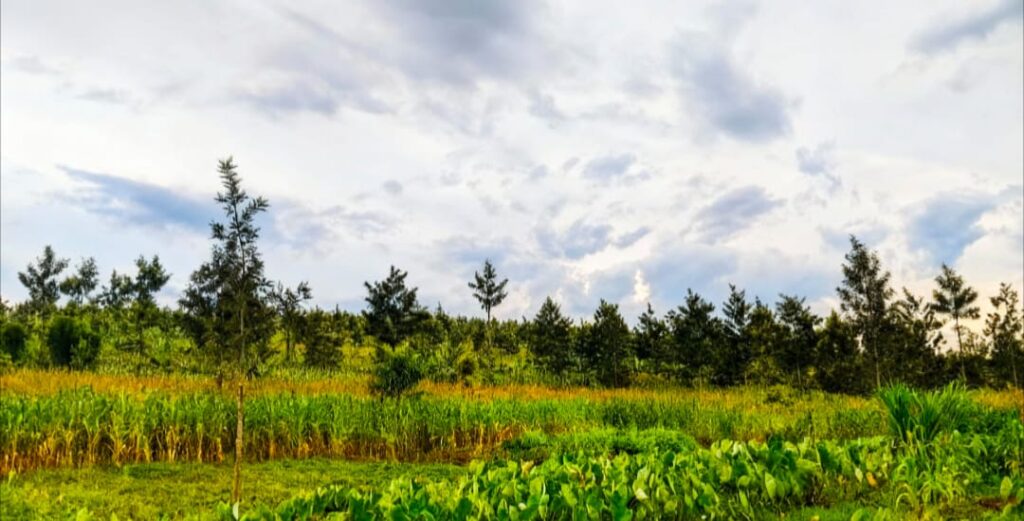
Government, UNDP and global partners expand environmental restoration program aimed at creating jobs and improving livelihoods
Rwanda has officially launched the second phase of the Green Amayaga project, a $20 million environmental and climate resilience program aimed at restoring degraded land, fighting climate change and improving livelihoods in Southern Province.
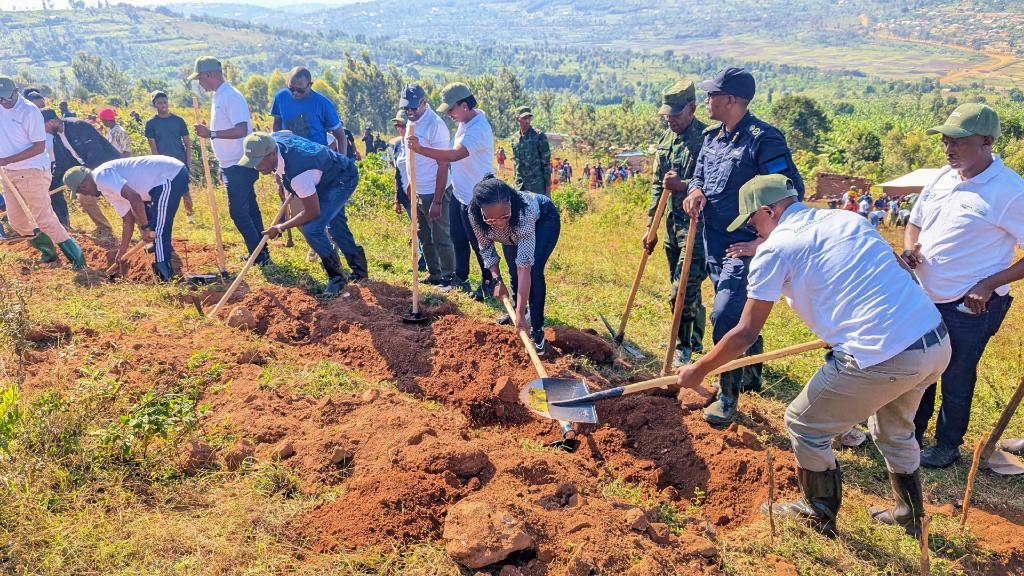
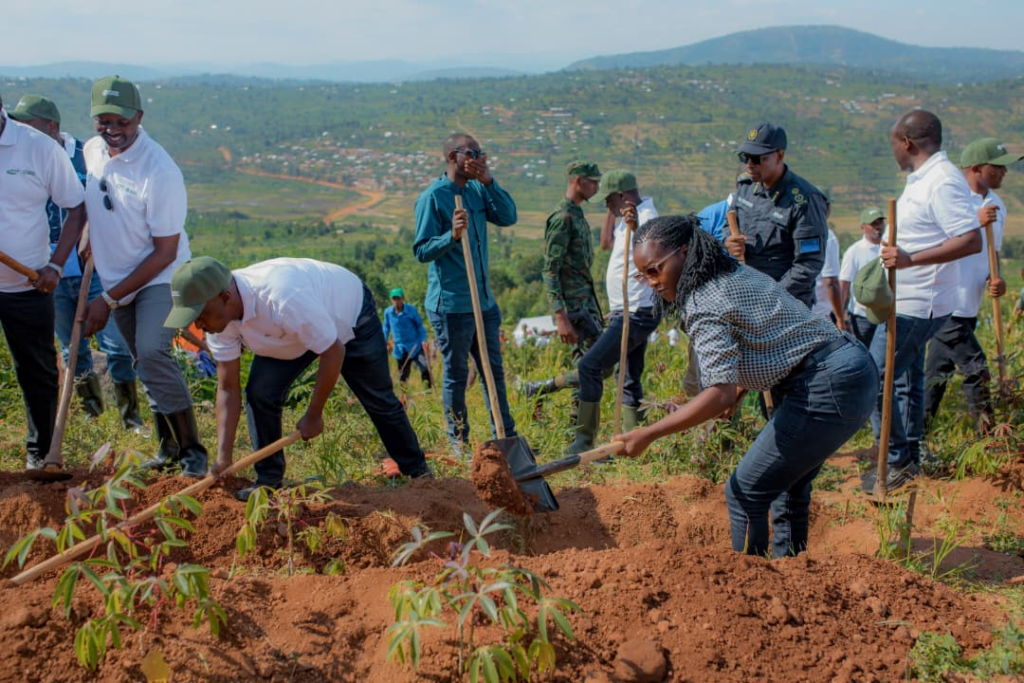
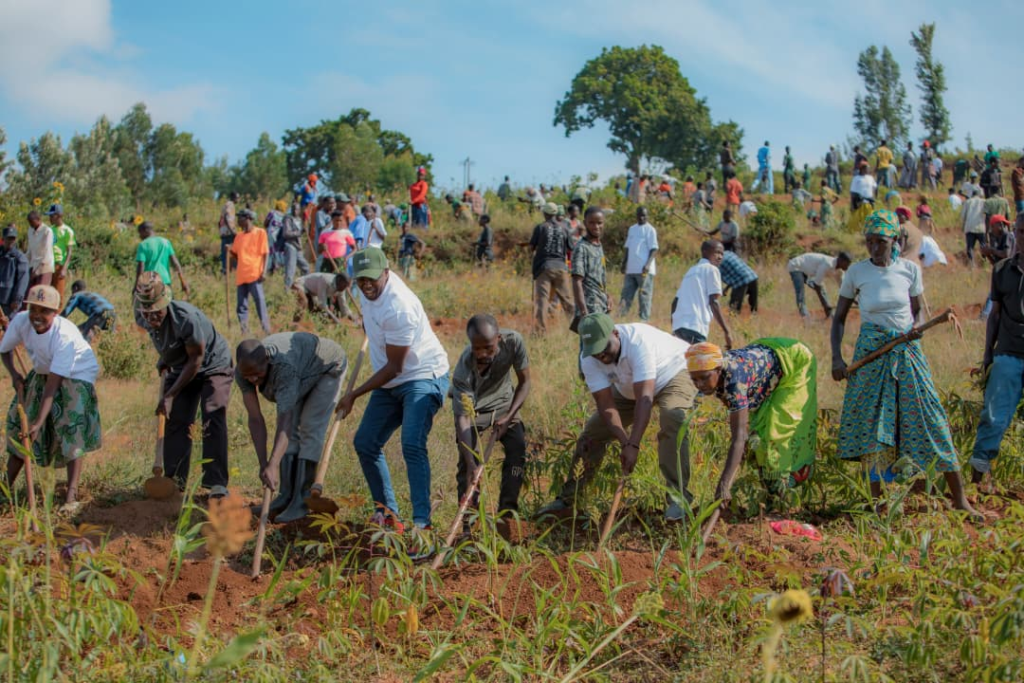
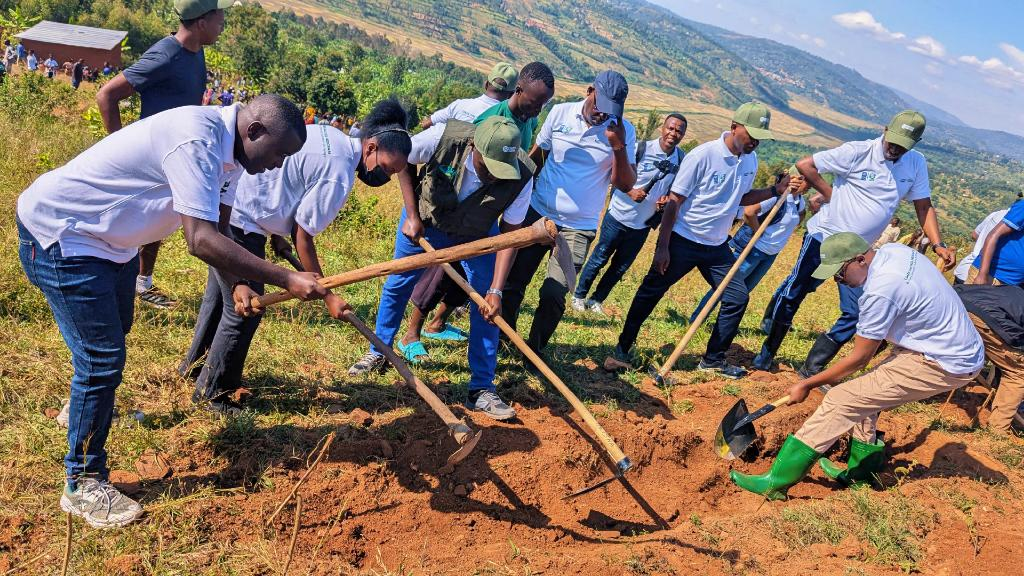
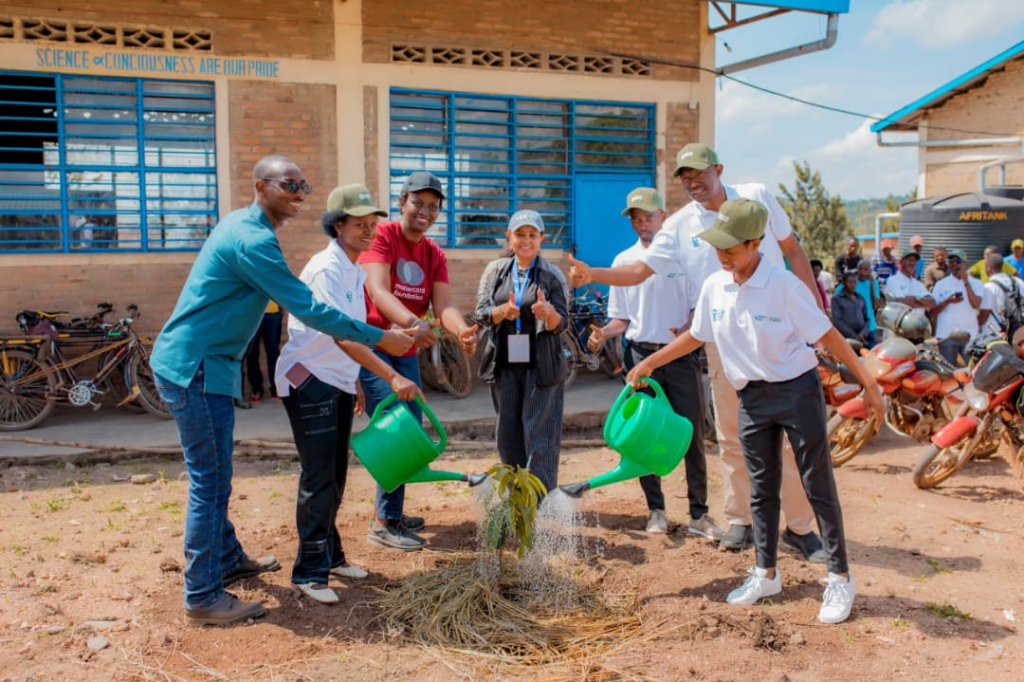
The launch took place in Gisagara District on May 30, 2026 during the monthly community work known as Umuganda and the opening of Rwanda’s Environment Week, an annual campaign organized by the Rwanda Environment Management Authority (REMA) to promote environmental protection and climate action.
The event brought together senior government officials, development partners, environmental experts, students, local leaders and residents from across the Mayaga region.
Among the guests present were Minister of Environment Dr. Bernadette Arakwiye, Southern Province Governor Alice Kayitesi, REMA Director General Juliette Kabera, UNDP Resident Representative Dr. Fatmata Sesay, officials from Rwanda Forestry Authority (RFA), Rwanda Green Fund, Rwanda Housing Authority, Rwanda Agriculture Board (RAB), University of Rwanda leaders, security officials and representatives from civil society organizations.
Development partners including the United Nations Development Programme (UNDP), the Global Environment Facility (GEF), FAO, ICRAF, Mastercard Foundation, Rwanda Green Fund and other environmental organizations also attended the ceremony and reaffirmed their support for Rwanda’s climate resilience efforts.
Government says climate action remains a national priority
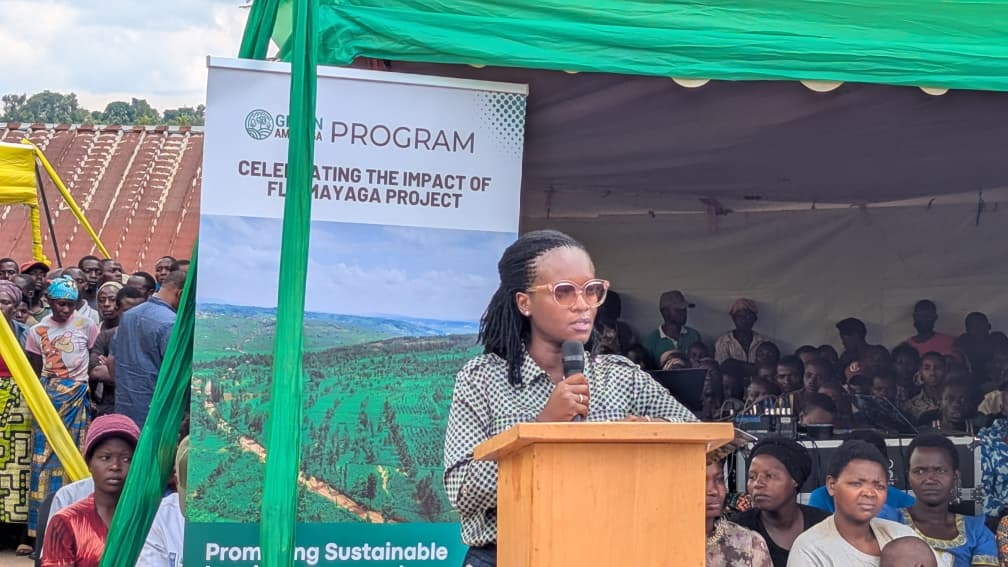
Minister of Environment Dr. Bernadette Arakwiye said the new project will help Rwanda respond to climate change, land degradation and declining agricultural productivity.
“Today, a new journey begins. The project we are launching today should become a source of solutions to the problems affecting our communities, especially soil degradation, climate change and declining agricultural production,” the minister said.
She said Rwanda considers environmental restoration an investment in the future.
“The Government of Rwanda recognizes that investing in ecosystem restoration is investing in the future of our people. Healthy ecosystems are essential for water security, agricultural productivity, biodiversity conservation, disaster risk reduction and climate resilience,” she said.
The minister also thanked development partners, especially the Global Environment Facility and UNDP, for supporting Rwanda’s environmental and climate programs.
“We value our partnership. These achievements show what strong cooperation can achieve,” she added.
Green Amayaga expands to more districts
The new phase follows the completion of Green Amayaga Phase One, a six-year project implemented in Gisagara, Kamonyi, Ruhango and Nyanza districts.
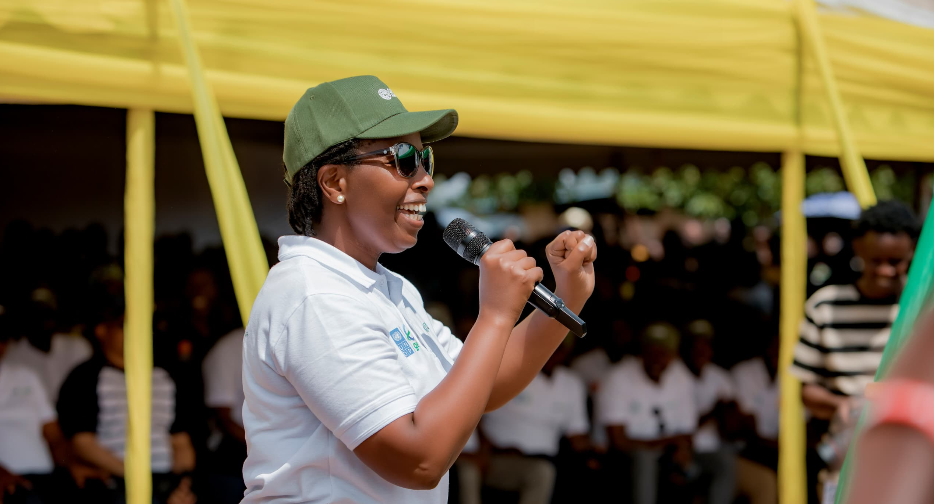
Speaking during the launch, REMA Director General Juliette Kabera said the project started as a response to serious environmental degradation in the Mayaga region.
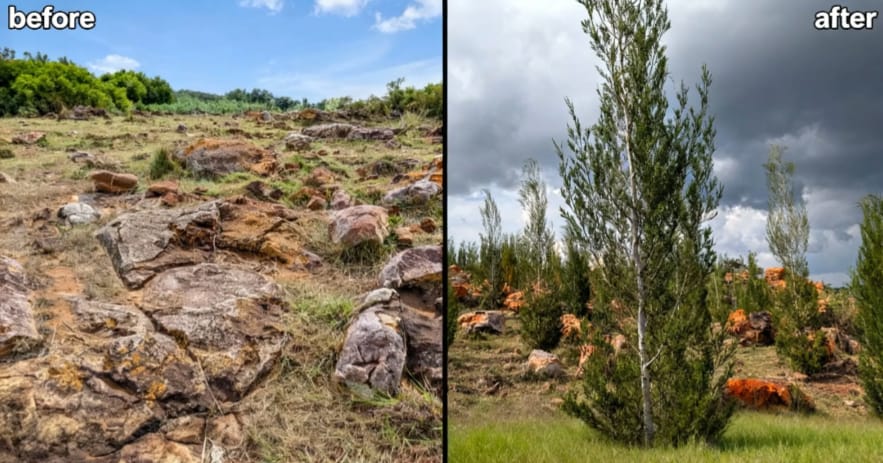
“This project started because the Mayaga region was facing serious environmental problems. There was severe soil erosion and some areas were almost becoming desert land. We introduced terraces, tree planting, agroforestry and livestock support to restore the land and improve people’s lives,” Kabera said.
She explained that the project combined environmental protection with economic development.
“We wanted people to have other sources of income beyond farming. Families received cows and small livestock. Fruit trees started producing harvests. Families got milk and better nutrition. All these activities work together to protect the environment while improving livelihoods,” she said.
According to REMA, the first phase of Green Amayaga was funded with about $7 million from development partners. Because of the strong results, the second phase secured nearly $20 million to expand the project.
The second phase will now cover six districts after Muhanga and Huye were added to Gisagara, Kamonyi, Ruhango and Nyanza.
Kabera said strong community participation played a major role in the project’s success.
“The first lesson we learned is that citizens must feel ownership of the project. People understood that this was their project, not somebody else’s project. That is why the first phase succeeded and why we quickly secured the second phase,” she said.
Avocado farming creates new economic opportunities
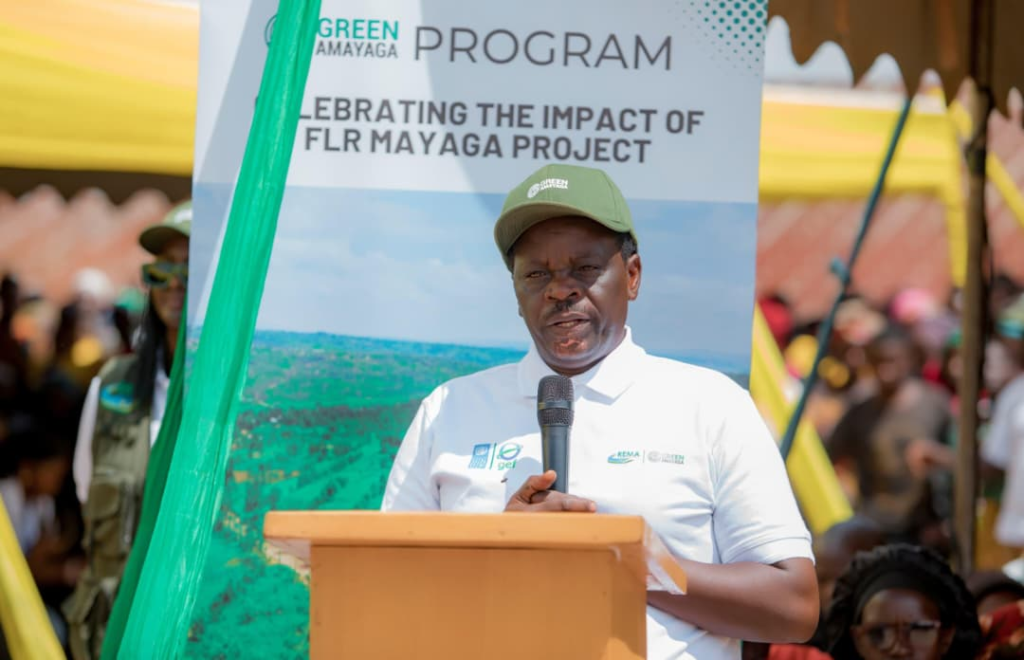
Residents who benefited from the project say it has transformed agriculture and reduced environmental degradation in the region.
Jean Paul Birindwa, an avocado farmer from Mamba Sector in Gisagara District, said the project helped restore degraded land, reduce soil erosion and create new economic opportunities for farmers.
“Our farms gained value because of the fruit trees planted under the project. Areas that were heavily affected by soil erosion have improved as trees matured and helped protect the land,” he said.
He added that avocado production has increased significantly and farmers are now seeking expanded irrigation systems and stronger market access to sustain growth.
“We have started seeing investors and markets coming because the fruits are now available. We ask development partners to continue supporting us, especially in irrigation and access to markets as production increases,” he said.
UNDP calls for long-term commitment
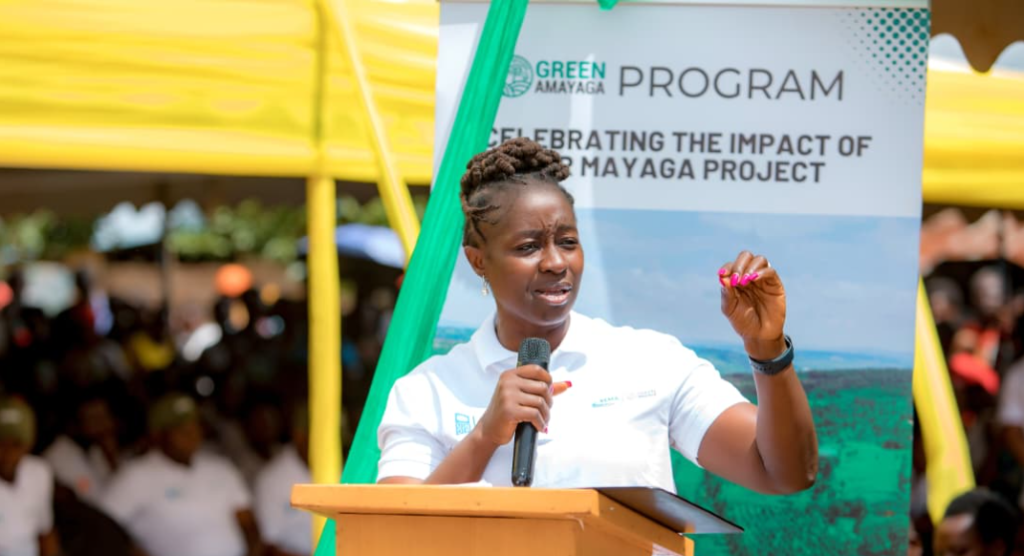
UNDP Resident Representative Dr. Fatmata Sesay said protecting restored ecosystems must remain a long-term commitment.
“As we celebrate today, let us also remember that restoration is not a one-time event. It is a long-term commitment. The trees planted must continue to grow. The restored landscapes must continue to be protected. The partnerships built must continue to deepen,” she said.
Thousands of residents already benefited
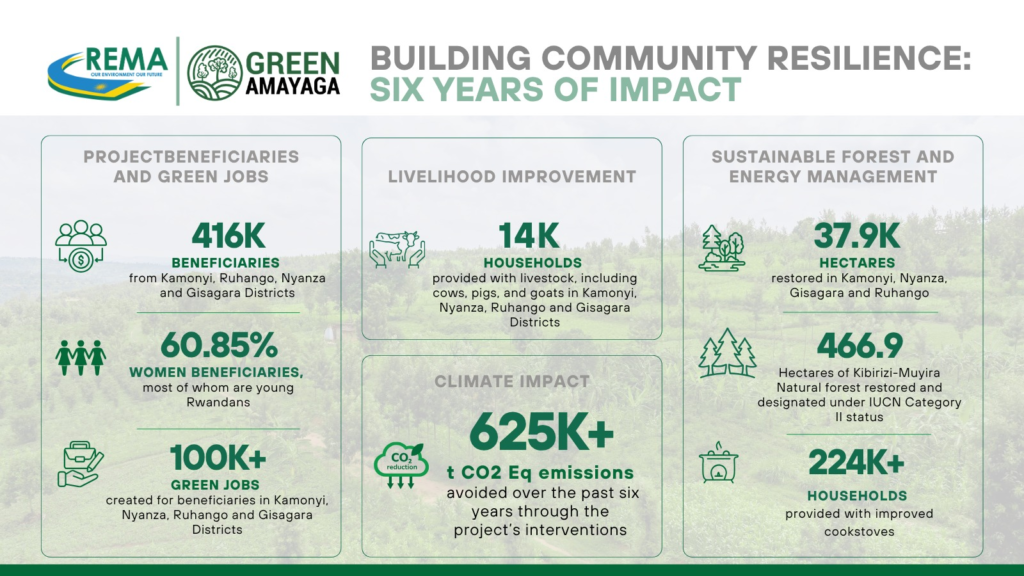
Data shared during the event showed that Green Amayaga has already delivered major environmental and social results.
More than 416,000 people benefited from the project across the four districts, while over 100,000 green jobs were created. Women represented 60.85 percent of the beneficiaries.
The project restored more than 37,900 hectares of land through afforestation, agroforestry and sustainable land management activities.
More than 224,000 households received improved cookstoves to reduce pressure on forests, while project interventions helped avoid more than 625,000 tons of carbon dioxide emissions over six years.
The program also supported over 14,000 households with livestock, including cows, goats and pigs.
Environment Week promotes climate awareness
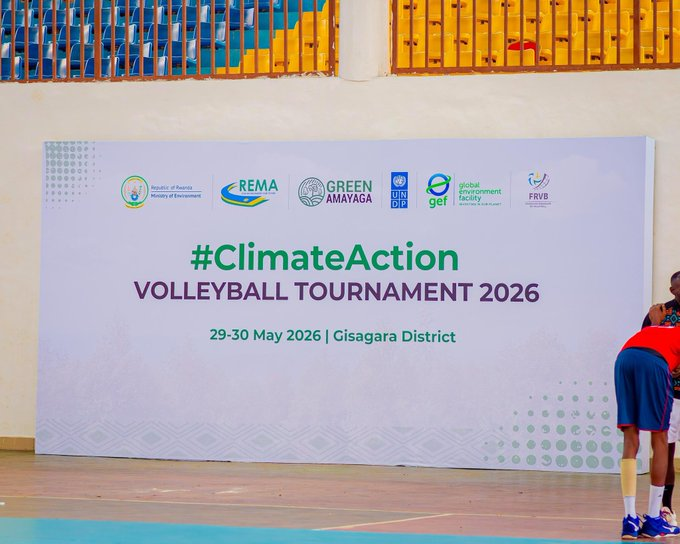
The launch of Green Amayaga Phase II was also marked by community work activities and the Climate Action Volleyball Tournament, a campaign aimed at increasing climate awareness among young people.
As Rwanda begins the second phase of Green Amayaga, government officials and partners say the project will continue restoring ecosystems, creating jobs and helping communities build resilience against climate change.