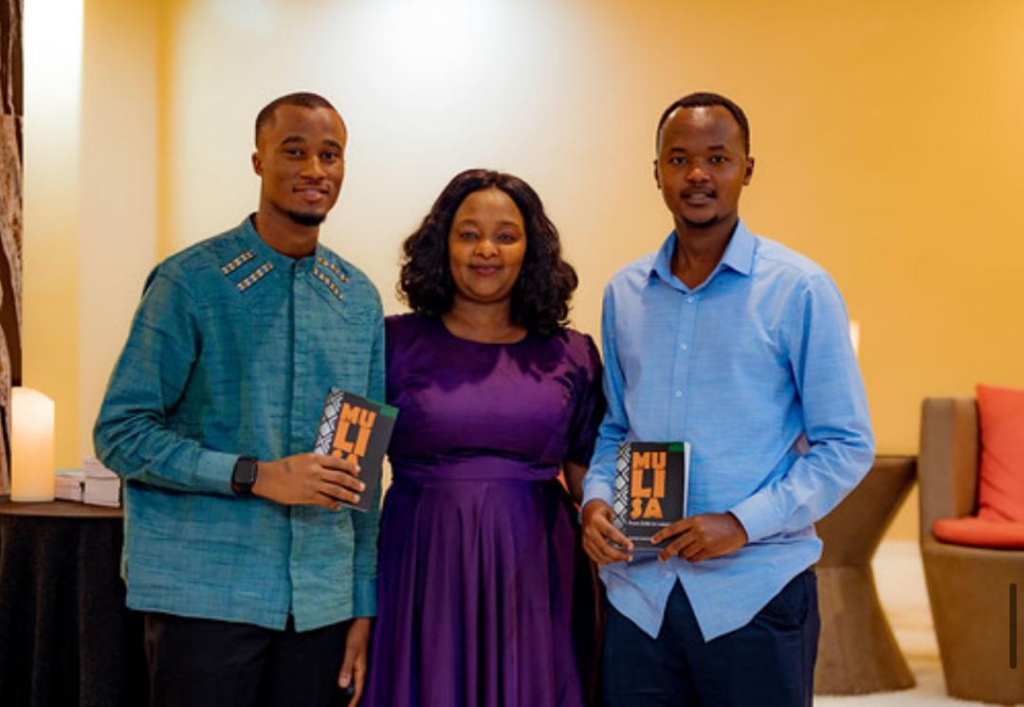
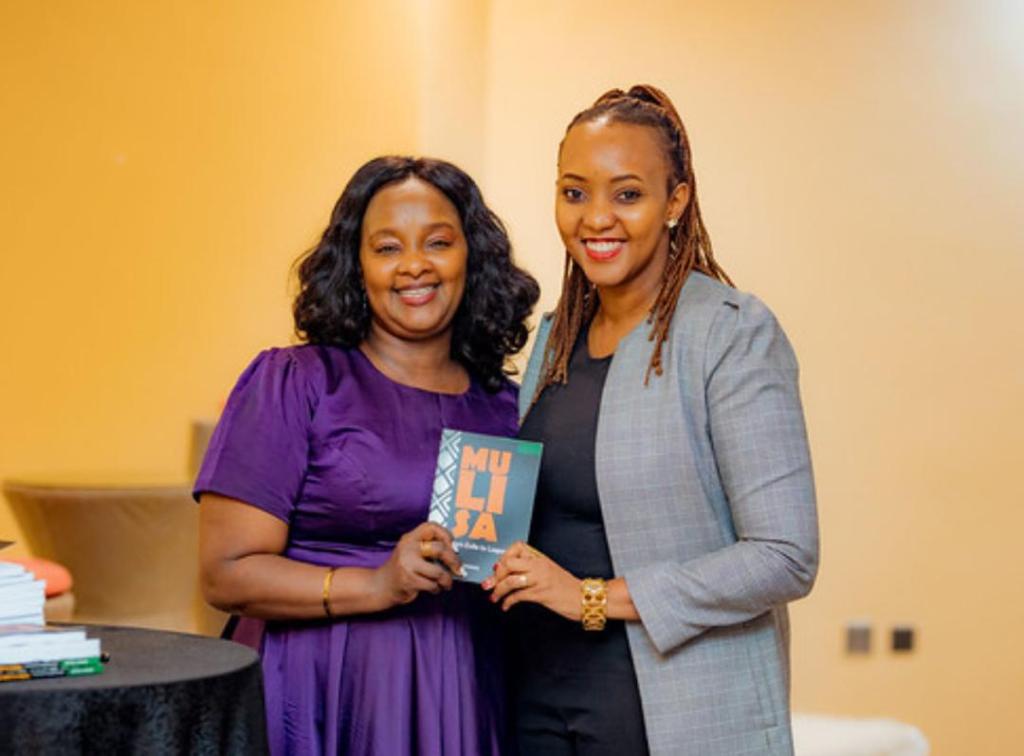
On April 26, 2026, Rwanda’s literary space welcomed a powerful new historical novel, Mulisa: From Exile to Legacy, written by Gasana Mutesi.
At a time when storytelling continues to shape how Rwanda remembers and redefines itself, Mulisa stands out as a deeply human narrative one that traces the journey of a boy born in exile, returning to a homeland marked by loss, healing, and transformation.

A Child of Exile, A Witness to Return
Mulisa’s story begins beyond Rwanda’s borders. Born in exile, his earliest understanding of home is shaped not by experience, but by stories stories of a country he had never seen, yet somehow belonged to.
His return comes in the aftermath of the 1994 Genocide against the Tutsi a defining moment that reshaped the nation’s identity and left deep scars across generations.
Through Mulisa’s eyes, readers are introduced to a Rwanda rebuilding itself: physically, emotionally, and socially.
Growing Up in Reconciliation
Unlike narratives that end at survival, Mulisa moves forward into the delicate, often complex process of reconciliation.
As a young boy navigating a post-genocide society, Mulisa grows up in a country actively choosing unity over division. He witnesses conversations, silences, and efforts that define Rwanda’s reconciliation journey.
This aspect of the novel reflects a broader national reality: reconciliation is not a moment, but a process lived daily especially by the younger generation who inherit both the wounds and the responsibility to heal them.

Carrying a Brother’s Legacy
At the emotional core of the novel lies Mulisa’s connection to his fallen brother lost during the liberation struggle that ultimately ended the genocide.
This loss transforms Mulisa’s journey from one of return to one of purpose.
Legacy, in this sense, becomes deeply personal. It is not abstract or symbolic it is something carried, something lived. Mulisa does not merely remember his brother; he grows into the responsibility of honoring what was sacrificed.
Through this, the novel explores a profound question: What does it mean to live on behalf of those who cannot?
A Narrative of Responsibility and Identity
Gasana Mutesi crafts Mulisa not as a distant hero, but as a relatable figure someone shaped by history, yet actively shaping his own identity within it.
The story moves beyond tragedy, focusing instead on continuity:
How memory becomes identity
How loss becomes purpose
And how individuals become carriers of collective history
In doing so, Mulisa reflects a generation of Rwandans born in or after exile those who returned, rebuilt, and now define what legacy means in a modern Rwanda.
Why Mulisa Matters Today
Rwanda today is often described as a nation that chose to rebuild with intention. But behind that narrative are countless personal stories stories like Mulisa’s that give meaning to national progress.
Historical novels like Mulisa play a crucial role in preserving these stories, especially for younger generations who did not directly experience the events of 1994.
They transform history into lived experience making it accessible, emotional, and deeply human.
From memory to responsibility.
In telling this story, Gasana Mutesi contributes to a growing body of Rwandan literature that refuses to let history fade into silence.
Instead, it ensures that it is remembered, understood, and carried forward not as a burden, but as a legacy.