For years, many rural families in Gakenke District raised chickens, goats, and other livestock mainly for sale, believing that every egg, every liter of milk, and every animal should be taken to the market for cash.Today, that mindset is changing.
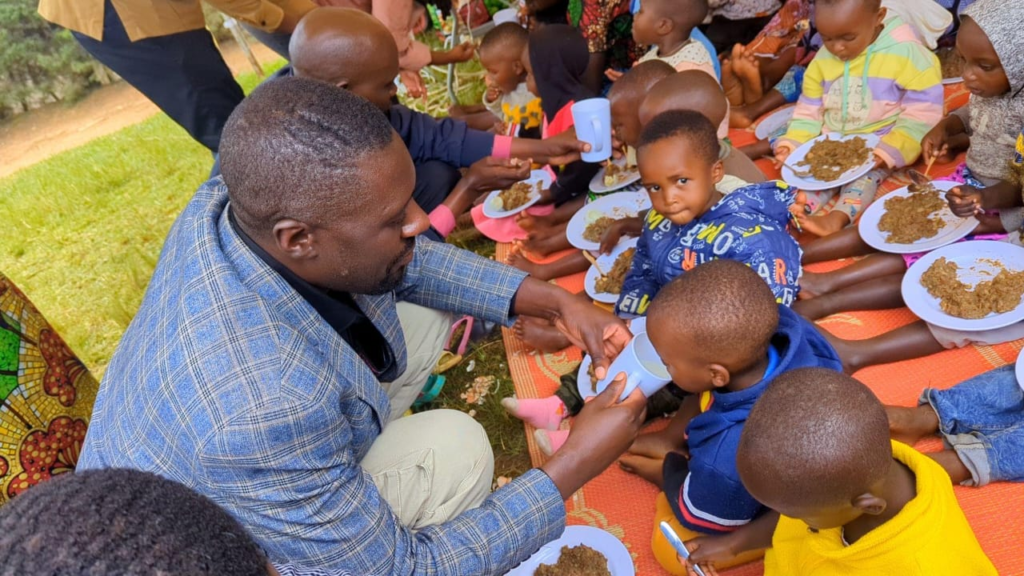
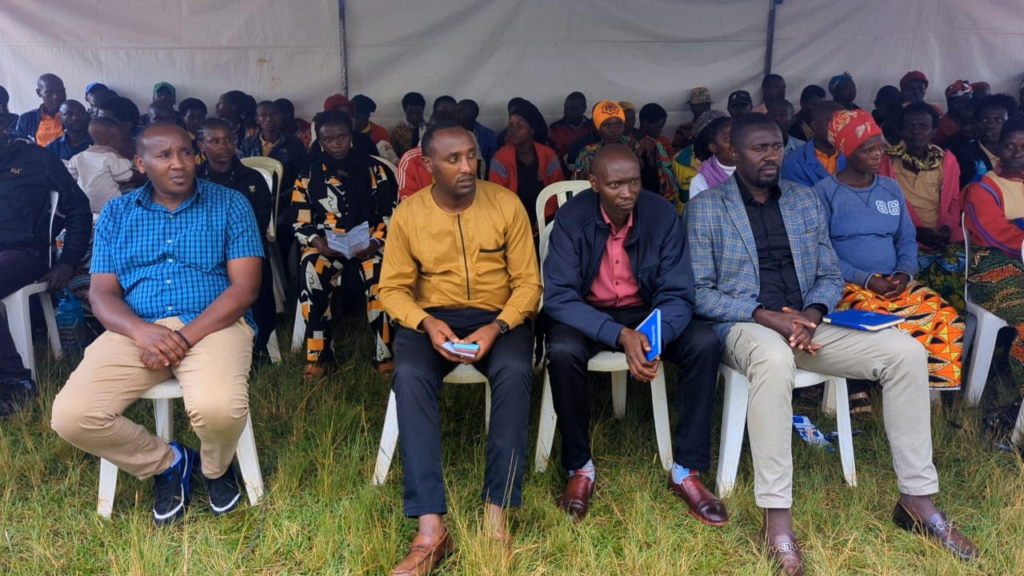
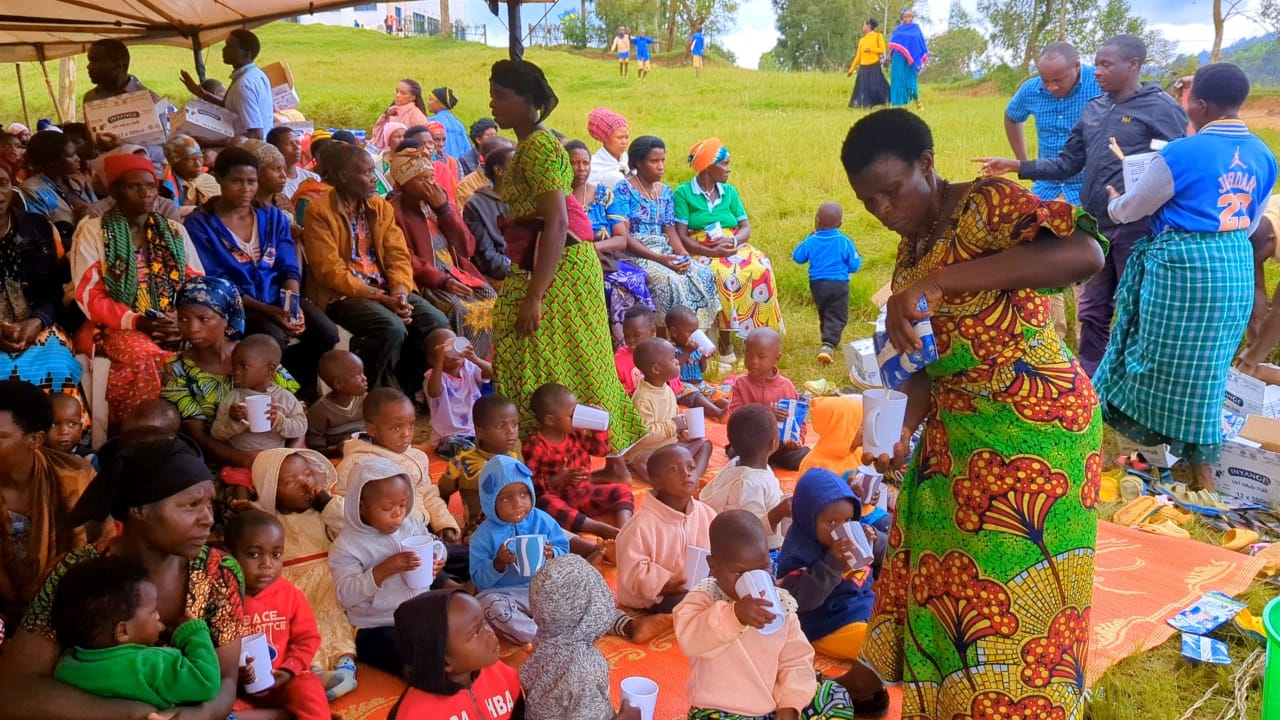
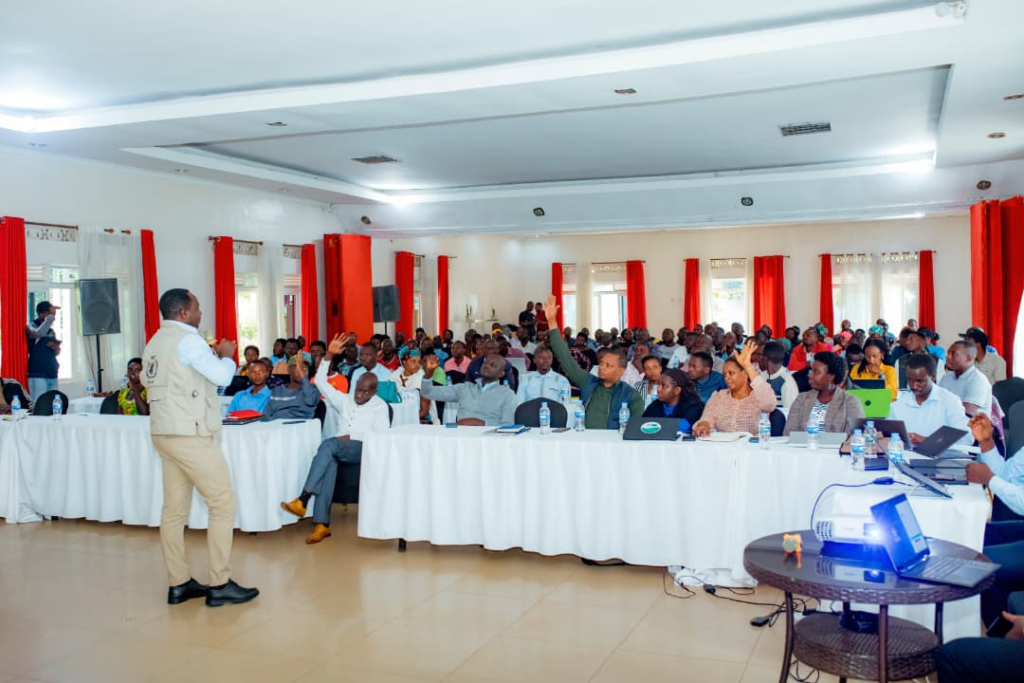
In Busengo Sector, Gakenke district on 28 April 2026 community members, local leaders, and development partners gathered for the nationwide Consumption Awareness Campaign on Animal-Source Proteins under the PRISM programme, an initiative that is helping families understand that livestock is not only for income, but also for fighting malnutrition and improving household health.
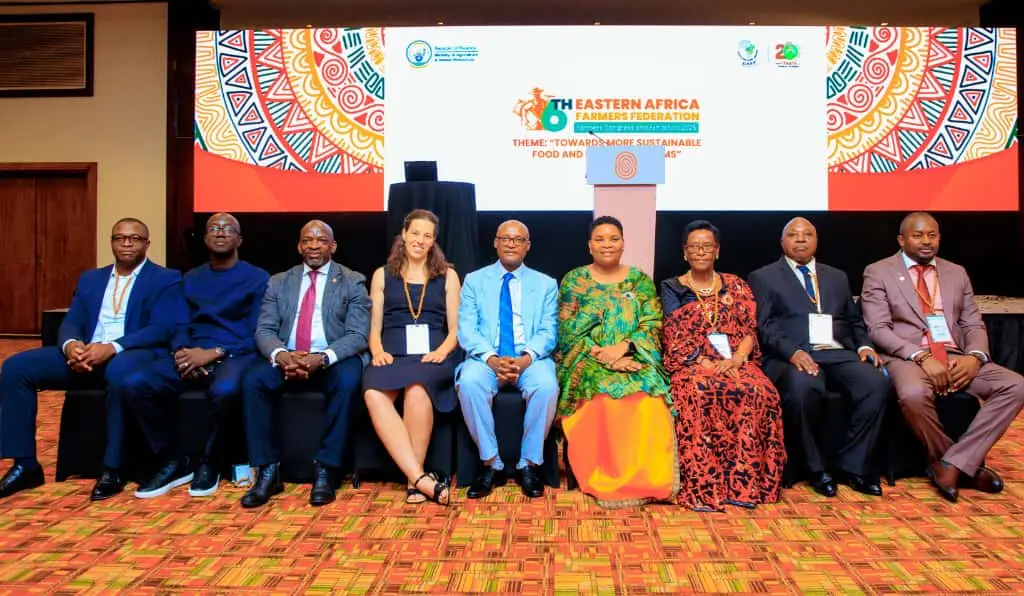
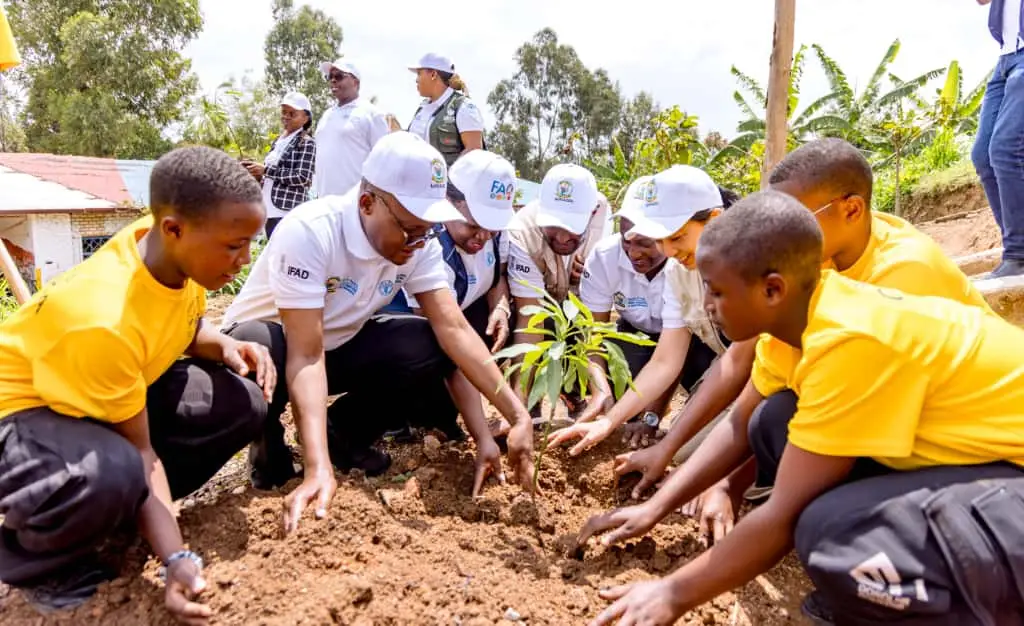
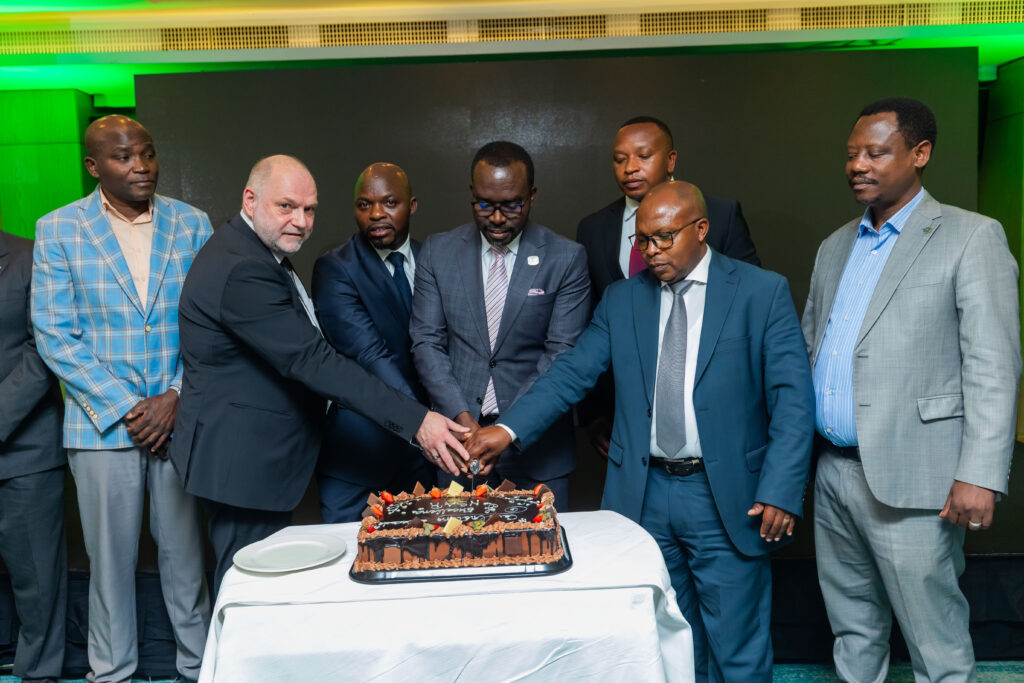
The Campaign Organized by the Rwanda Agriculture and Animal Resources Development Board (RAB) under the PRISM programme (Partnership for Resilient and Inclusive Small Livestock Markets) the campaign is implemented in partnership with The International Fund for Agricultural Development (IFAD), Enabel Belgium, Heifer International, and VSF Belgium. the PRISM programme, is not only about food it is about changing mindsets, improving health, and building stronger rural families.
From livestock support to mindset transformation
According to District Projects Coordinator in RAB-SPIU Venuste Dufatanye, PRISM’s impact in Gakenke goes far beyond distributing animals.
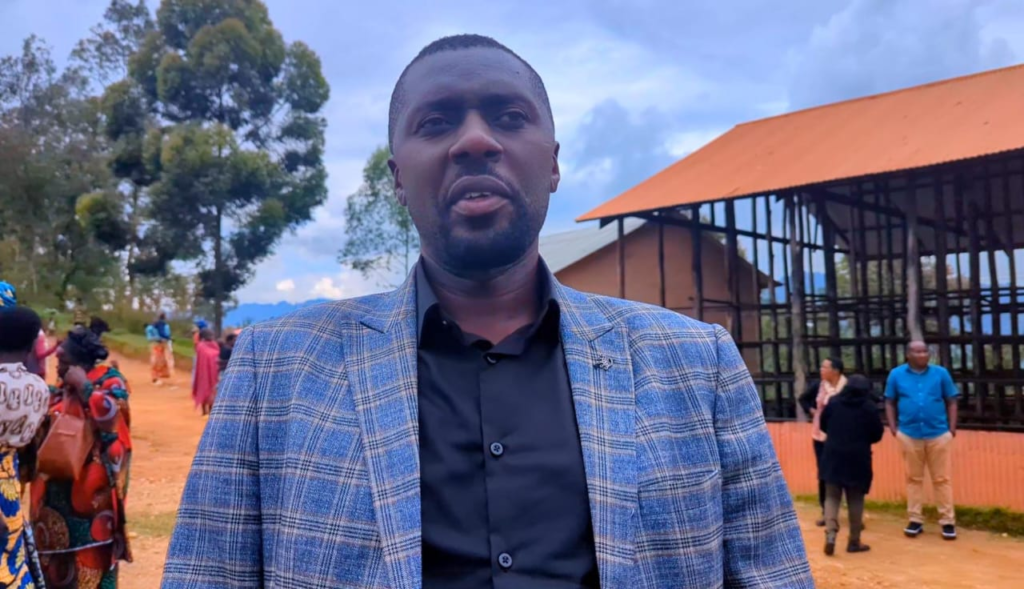
Speaking during the campaign, Dufatanye Venuste, District Projects Coordinator in RAB-SPIU , said one of the programme’s greatest achievements has been changing how families think about food.
“When PRISM started working in this district, many families believed livestock products were mainly for sale. Eggs, milk, and even meat were often sold immediately, while children at home lacked balanced nutrition,” he said.
“Through our training and awareness campaigns, we are teaching families that animal-source foods like eggs, milk, and meat are essential for their own health first. We tell them: feed your family, improve your children’s nutrition, and then sell what remains.”
He explained that PRISM combines livestock distribution with education on nutrition, modern farming, kitchen gardens, and long-term self-reliance.
“Giving animals alone is not enough. Families must understand why these foods matter for child development and overall health. That knowledge is what creates lasting change.”
Major progress in Gakenke
Before PRISM interventions, malnutrition in Gakenke was significantly higher.
Dufatanye noted that child stunting in project areas dropped from around 35% to about 24%,
“This improvement is not only because families received animals, but because they changed behavior. They now consume eggs, raise healthier children, and diversify diets.” he said.
A farmer who once sold every egg
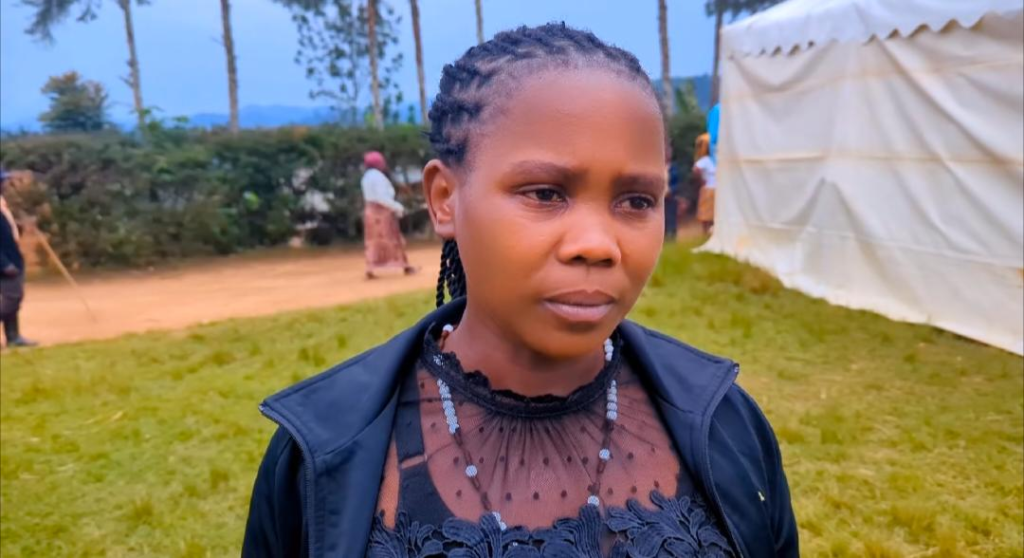
For Muhawenimana Pelagie, a farmer from Butereri Cell in Busengo Sector, the programme transformed both her livelihood and her thinking.
Before PRISM, Pelagie says she viewed eggs only as products for sale.
“Even when I had chickens before, I never thought about cooking eggs for my children. Every egg was taken to the market because I only thought about money,” she said.
After joining PRISM, she received 10 chickens, goats, vegetable seeds, and nutrition training.
“PRISM changed my life completely. Today, I have grown from 10 chickens to 50. My children now eat eggs regularly, and our family diet is balanced with vegetables, protein, and other nutritious foods. We no longer see eggs only as income we see them as health.”
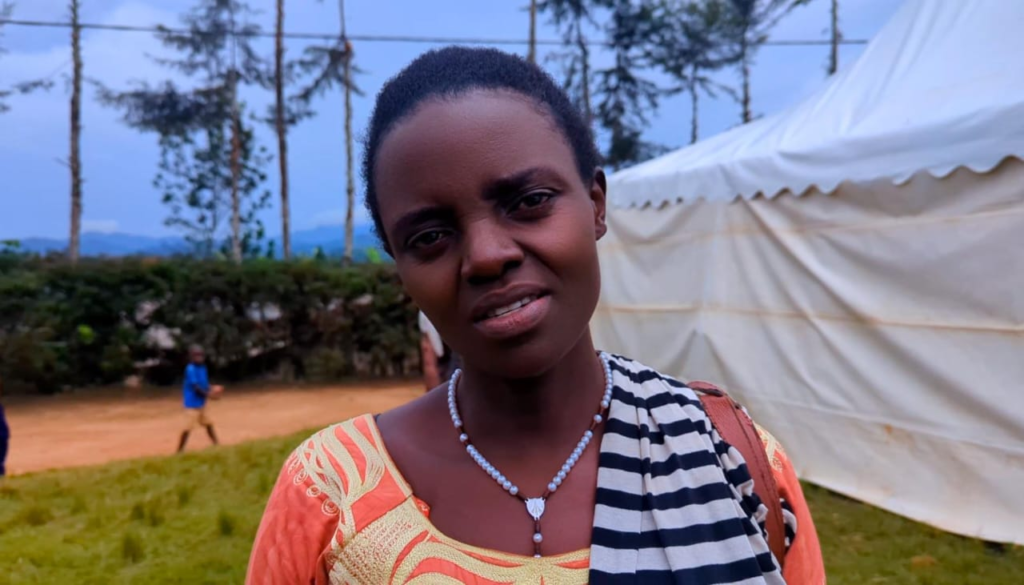
Another beneficiary, Mujawayezu Solange from Cibutero Cell, described how deeply rooted old beliefs were before PRISM arrived.
“Before this project, eating eggs at home was rare. If someone had an egg, it was taken to the market immediately. We did not understand its importance for pregnant women, children, or family nutrition,” she said.
Now, thanks to awareness campaigns and community training, that attitude is shifting.
“PRISM taught us that livestock is not only for money. It is also for protecting our children from malnutrition. Today, families understand that eggs should first help the household before they are sold.”
She emphasized that PRISM’s training created sustainable knowledge.
“Even if the project ends, the knowledge will remain. We have learned how to continue improving our lives.”
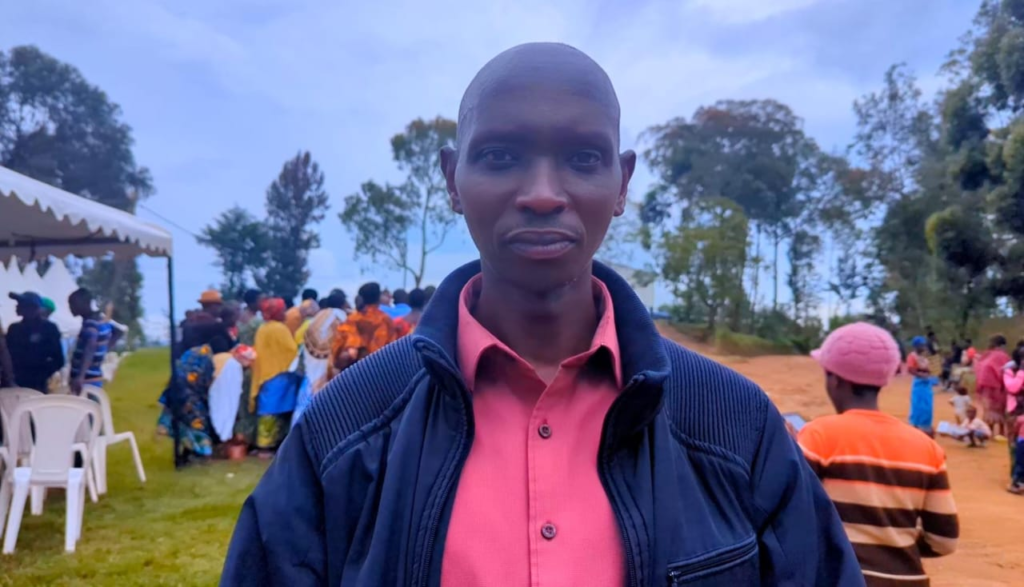
Rugebana Théogène, Head of Health Department in Gakenke District, praised the programme’s role in reducing malnutrition.
“Gakenke has made important progress in reducing malnutrition, and PRISM has played a major role. Families are no longer focused only on selling. They are learning to first secure balanced nutrition at home,” he said.
He urged residents to continue using livestock wisely.
“Our message is: use what you have to feed your family first. Once your household is healthy, you can sell the surplus and continue developing.”
The PRISM programme has already made a major impact in Gakenke District by working in five sectors: Busengo, Gashenyi, Kamubuga, Karambo, and Kivuruga. So far, more than 400 households have received goats or sheep, over 21,260 chickens have been distributed, and around 400 pigs have been provided to families to improve nutrition and livelihoods. In addition, 2,448 members have been trained in nutrition, entrepreneurship, and family development to help them build better lives. PRISM has also supported vulnerable communities through water tanks for elderly families, solar equipment for households in need, veterinary clinics, and livestock markets that strengthen local economies. Due to its positive impact, the programme is expected to expand into other sectors across Gakenke District.