Study Tour Inspires New Approach to Water Management, Cooperation and Agricultural Growth
Farmers from Kirehe District say they are ready to tackle long-standing water conflicts and improve agricultural productivity after learning a successful irrigation management model during a study tour in Rwamagana District.

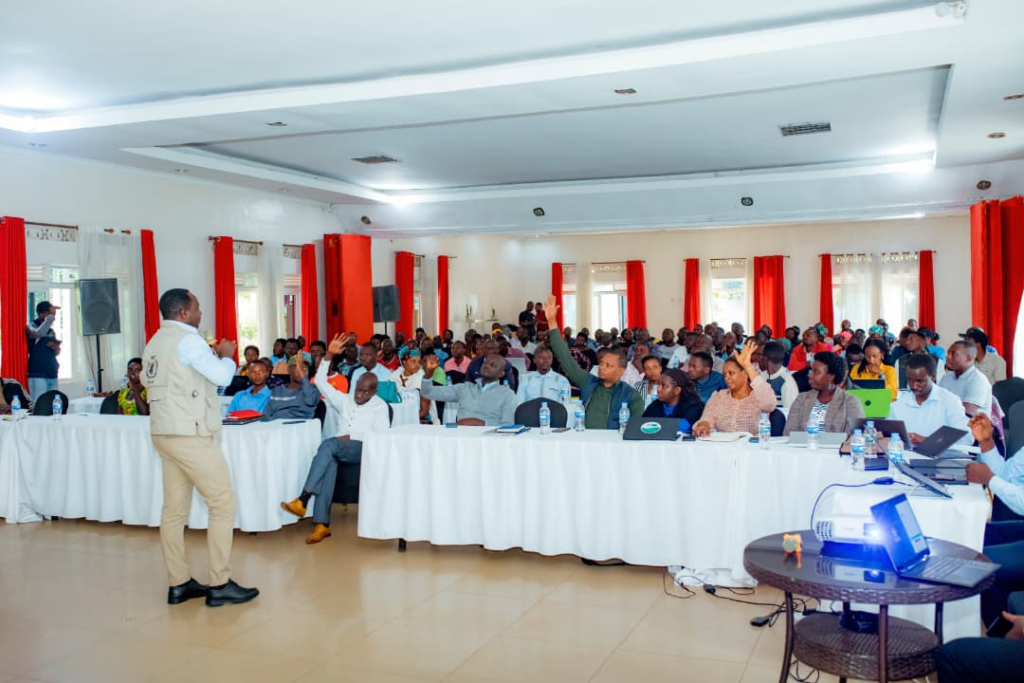
On June 23, 2026, 58 participants, including representatives of cooperatives, members of Water User Associations (WUAs), and individual farmers from the Kinoni I, Kinoni II and Nyamugari irrigation schemes in Kirehe District, visited the Cyaruhogo Irrigation Scheme in Rwamagana District under a knowledge-sharing initiative organized by the Rwanda Agriculture and Animal Resources Development Board (RAB) through the Sustainable Agricultural Intensification and Food Security Project (SAIP),The Global Agriculture and Food Security Program (GAFSP) funded project through the World Bank.
The three-day study tour aims to strengthen the capacity of farmers and Water User Associations through practical learning, peer-to-peer exchanges and exposure to successful irrigation management practices. Participants are also expected to visit the Kanyonyomba Irrigation Scheme in Gatsibo District to learn additional lessons on irrigation governance, infrastructure maintenance and agricultural productivity.
For many participants, the most important lesson was not the irrigation infrastructure itself, but the way farmers organize themselves to ensure that every member receives water fairly and contributes to the sustainability of the system.
A Solution to Water Conflicts
In many irrigation schemes in Kirehe District, farmers located near water sources often receive more water than those further downstream. This has frequently led to disputes among farmers, unequal crop yields and reduced productivity.
However, farmers at the Cyaruhogo Irrigation Scheme have adopted a different approach. Water is distributed according to a clear schedule that prioritizes farmers at the farthest end of the irrigation network before those closest to the source, ensuring that every farmer has an equal opportunity to irrigate their crops.
Nkurunziza Vincent, a farmer from Kinoni I Irrigation Scheme in Kirehe District, said the model could transform farming in his community.
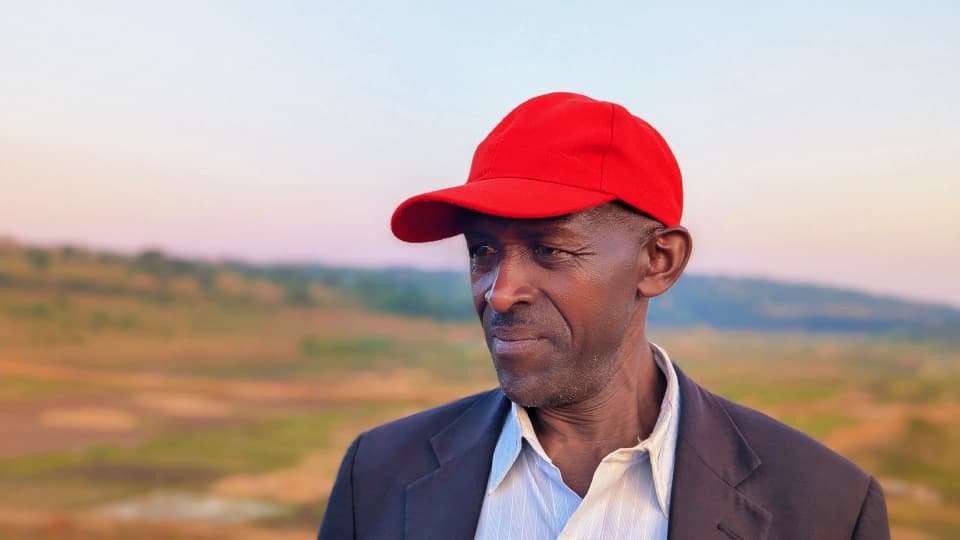
“One of the biggest challenges we face is water shortage during the dry season. Farmers near the canals often get enough water while those further away struggle. Here in Rwamagana, we learned that water distribution starts with the farmers at the end of the irrigation system before moving closer to the dam. This guarantees fairness and prevents conflict,” he said.
“What impressed me even more is that farmers, cooperative leaders and water users’ committees work together before decisions are made. Because everyone is involved, members support the plans and contribute willingly to maintaining the infrastructure. This is a lesson we are taking back home.”
Angelique Nyiranzimenshi, a member of Imbaraga mu Iterambere Cooperative in Kirehe District, said farmers in her area often compete for water, leaving those furthest from irrigation canals at a disadvantage.
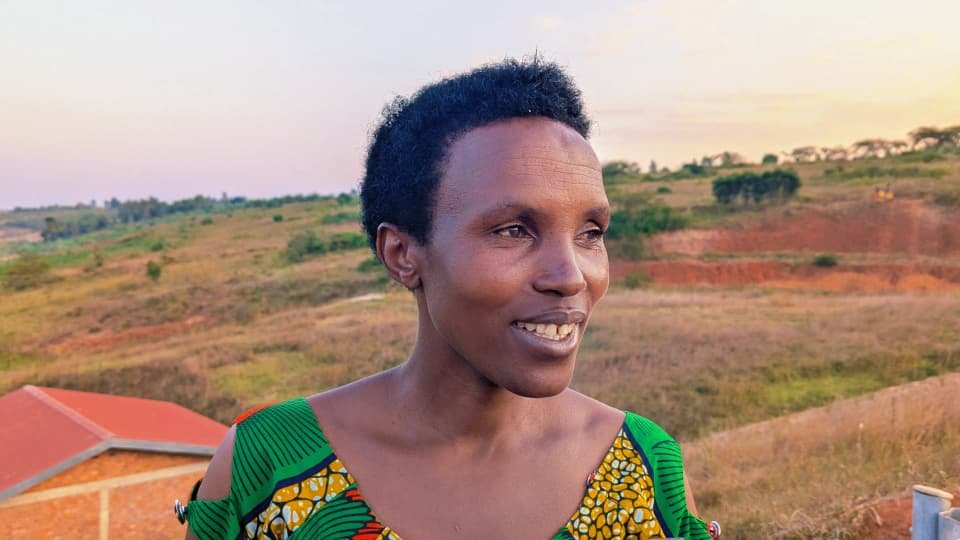
“In our irrigation scheme, everyone tends to look after their own interests. Those closer to the water source often take the water first, and farmers further away sometimes miss out. This causes losses because crops cannot grow well without enough water,” she said.
After visiting Cyaruhogo, she said farmers from Kirehe had seen a better way.
“What impressed us most is that they have a clear water distribution system. They begin by supplying water to farmers furthest away before moving closer to the dam. This ensures everyone benefits equally. We want to adopt the same approach when we return home.”
Strong Organizations, Better Results
The visit highlighted the important role played by Water User Associations in ensuring sustainable irrigation management and protecting infrastructure investments.
Mukashema Olive, President of the Abahizi ba Rwamagana Water Users Organization, explained how strong farmer participation and collective responsibility have transformed agriculture in the area.
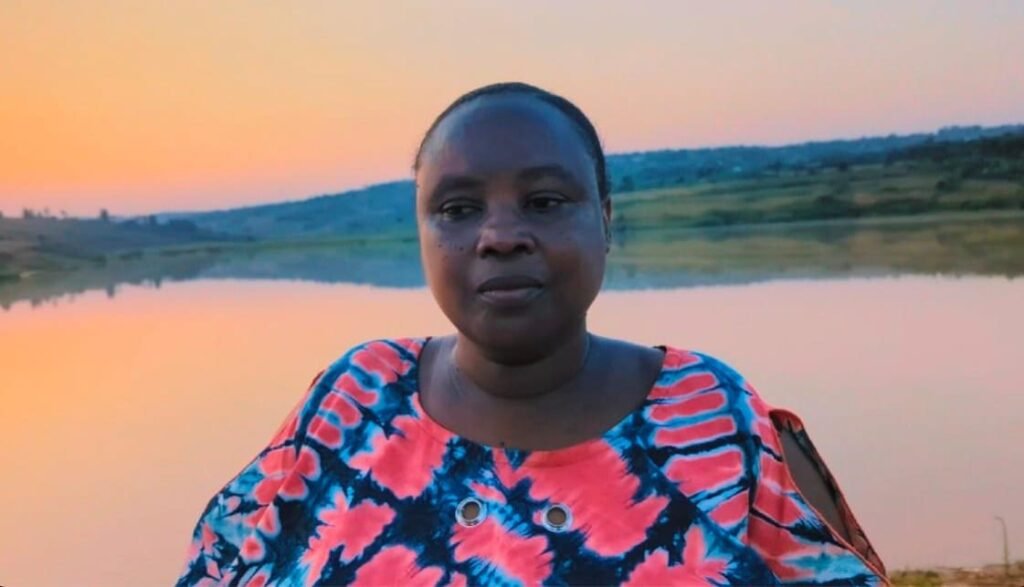
The organization manages irrigation infrastructure serving 1,179 farmers, including 400 women, across 300 hectares of farmland.
According to Olive, agricultural production has doubled since irrigation infrastructure was rehabilitated and management systems were strengthened.
“Before these irrigation facilities were improved, farmers harvested about three tonnes per hectare. Today, average yields have increased to six tonnes per hectare. The difference comes from reliable access to water and proper management of the infrastructure,” she explained.
She noted that farmers contribute maintenance fees every season and save part of their revenues specifically for repairing irrigation facilities.
“Development projects eventually come to an end, but the infrastructure remains. We learned that sustainability means farmers themselves must be prepared to maintain and protect what they have been given. Today, we can repair damaged infrastructure without waiting for external support.”
The organization has also diversified its income by introducing fish farming in irrigation dams, generating additional revenue while contributing to food security and community development.
Knowledge Sharing Driving Change
RAB officials say farmer-to-farmer learning remains one of the most effective ways of promoting innovation, improving management practices and encouraging behavioral change.
Mporana Jules, a Water Users Organization Specialist working under SAIP, said the study tour was designed to allow farmers to learn directly from successful irrigation schemes and understand what works in practice.

“Climate change is making rainfall increasingly unpredictable, especially in Eastern Rwanda. Irrigation is becoming essential for agricultural production. However, building infrastructure alone is not enough. Farmers must know how to manage water fairly, maintain facilities and work together,” he said.
Jules explained that Water User Associations were established to ensure irrigation infrastructure remains functional long after development projects have been completed.
“When farmers learn directly from fellow farmers, the lessons become more practical and more convincing. They see that success is possible because it is being achieved by people facing similar challenges.”
According to Jules, SAIP has supported more than three thousands of smallholder farmers through irrigation development, capacity building and market-oriented agricultural initiatives.
He noted that the project has helped expand irrigation services, improve water management systems and strengthen farmer organizations across different parts of Rwanda.
Irrigation Beyond Infrastructure
The experience in Rwamagana demonstrated that successful irrigation depends on more than physical infrastructure.
Participants observed how strong leadership, transparent decision-making, regular maintenance and active farmer participation contribute to the long-term sustainability of irrigation schemes.
They also learned the importance of creating maintenance funds, strengthening cooperation between cooperatives and Water User Associations, and ensuring that every farmer understands their role in managing shared resources.
For many participants, these lessons were just as valuable as the technical aspects of irrigation.
A New Vision for Kirehe
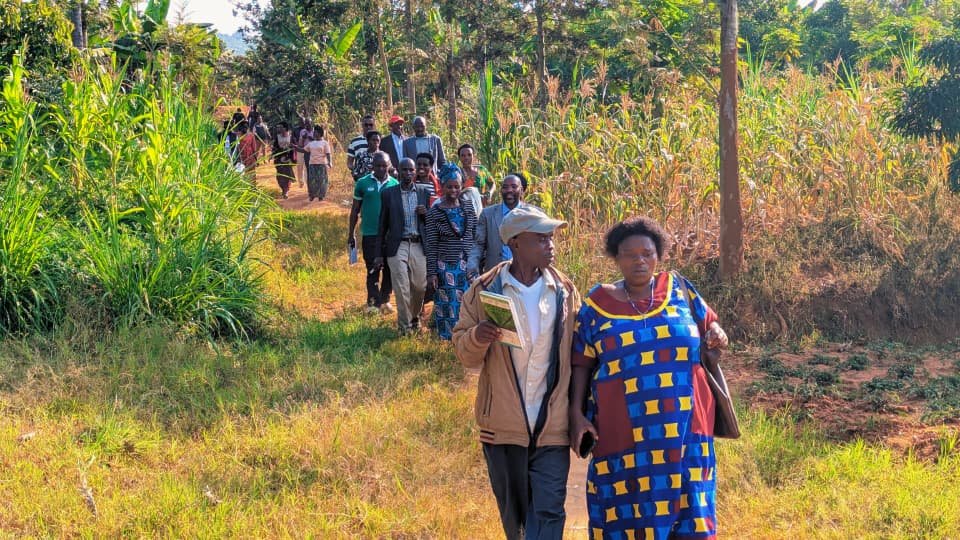
The farmers who participated in the study tour say they are determined to apply the lessons learned in their own irrigation schemes.
Beyond technical knowledge, they believe stronger cooperation between cooperatives and Water User Associations will help reduce conflicts, improve maintenance of irrigation facilities and ensure that water reaches all farmers fairly and efficiently.
The experience also reinforced the importance of long-term planning, collective responsibility and farmer ownership of irrigation infrastructure.
The Bigger Picture
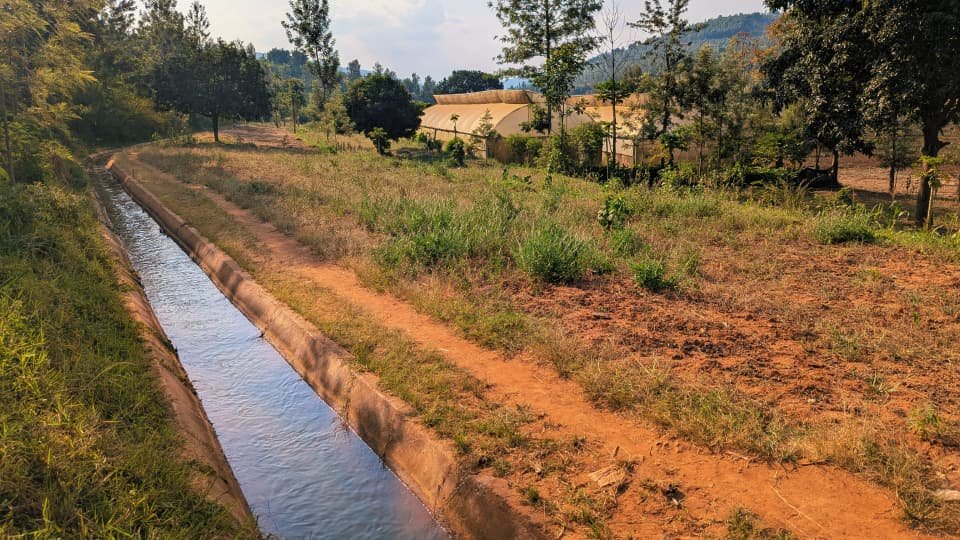
As Rwanda continues investing in climate-resilient agriculture, experts say knowledge sharing among farmers is becoming just as important as irrigation infrastructure itself. The lessons from Cyaruhogo show that successful irrigation is not only about dams, canals and pumps. It is also about cooperation, accountability and fair access to water. When farmers work together and follow agreed rules, irrigation schemes become more productive, sustainable and beneficial to every member.
For the farmers from Kirehe, the study tour provided practical solutions to challenges they face every day, including water shortages, unequal distribution of irrigation water and weak coordination between cooperatives and Water User Associations.
The visit renewed participants’ commitment to replicate the fair water distribution model they observed in Rwamagana. By strengthening cooperation, improving water governance and encouraging farmers to take ownership of irrigation infrastructure, Kirehe’s irrigation schemes hope to turn water from a source of conflict into a driver of productivity, food security and rural prosperity.
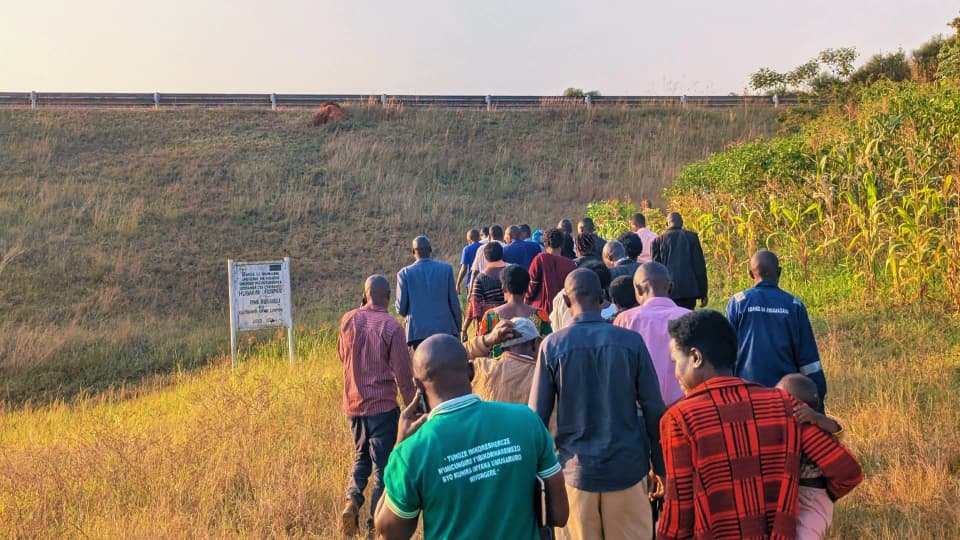
The study tour, which began at the Cyaruhogo Irrigation Scheme in Rwamagana District, will continue at the Kanyonyomba Irrigation Scheme in Gatsibo District. Through these learning exchanges, farmers are expected to gain more practical experience on irrigation management, infrastructure maintenance and sustainable agricultural practices.
SAIP project objective is to increase agricultural productivity, market access, and food security of the targeted beneficiaries in the project intervention areas. For the farmers, the message was lasting agricultural transformation starts when communities learn from one another and work together to make every drop of water count.
TCN || The Comments News