For years, potato farmers in Rwanda worked hard in their fields but earned little from their harvests. After months of planting, weeding and harvesting, many farmers were forced to sell to middlemen who set prices, controlled weighing systems and often left farmers with little bargaining power.
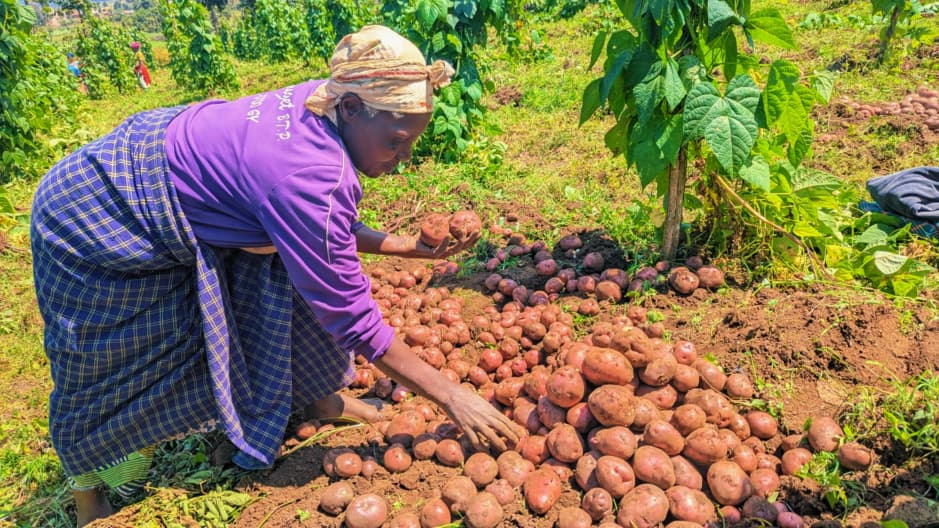
Today, many farmers in Northern Rwanda,Musanze District say that story is changing.
A digital platform called Murika App, developed by Murika Farms Ltd with support from the Commercialization and De-Risking for Agricultural Transformation (CDAT) Project, The initiative, implemented by the Rwanda Agriculture and Animal Resources Development Board (RAB) in partnership with the Ministry of ICT and Innovation through the Hanga Pitch Fest programme, aims to accelerate the use of technology across Rwanda’s agri-food sector, the app is helping farmers sell directly to buyers, receive fair market prices and get paid through their phones.
For farmers, the biggest victory is not just technology. It is freedom from middlemen who used to control the market.
Farmers Tired of Unfair Deals
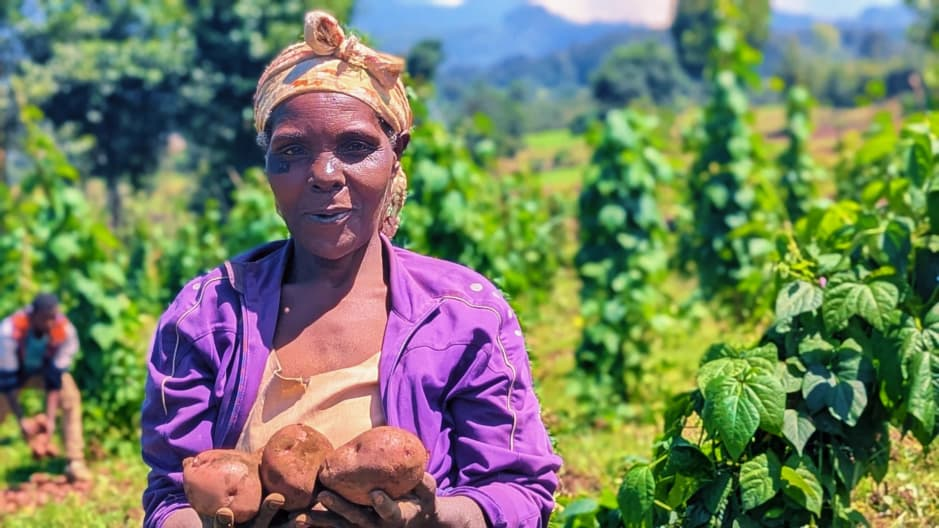
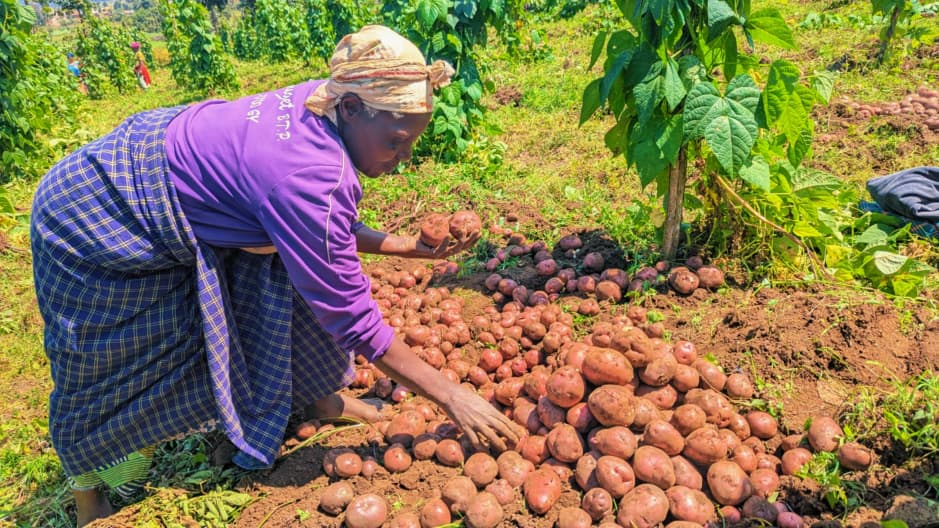
Augustin Maniriho, a potato farmer from Musanze District, remembers the old system.
Before Murika, traders would arrive at farms and offer a single price for an entire harvest without separating potatoes by quality. Farmers often had little information about market prices and few options but to accept.
“Middlemen would come and tell us they wanted to buy everything together; they gave us one fixed price. Sometimes we even lost our seed potatoes because everything was taken away. Later, we had to spend more money looking for seeds for the next season.” Maniriho said.

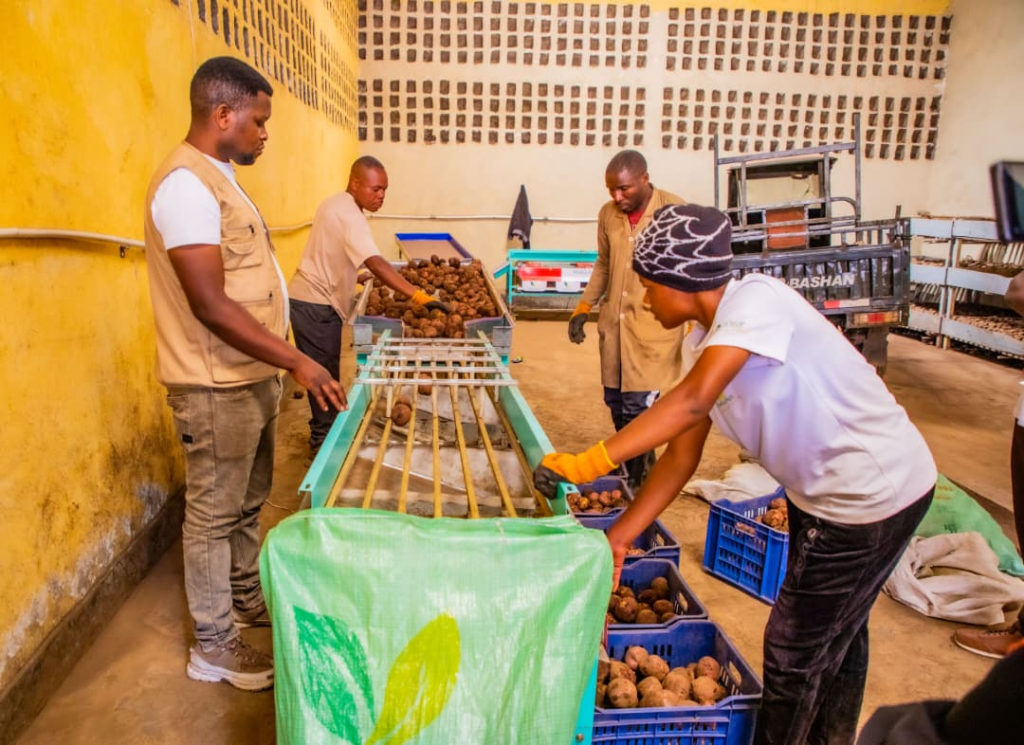
He says Murika changed that system by introducing potato grading machines that sort potatoes according to size and quality.
“Now the machine separates the potatoes into different grades. We receive a different price for each grade, and we keep our seed potatoes for the next planting season. We know exactly what we are selling and what we are being paid for,” he said.
Clear Market Prices Replace Guesswork
One of the platform’s most important features is access to real-time market information.
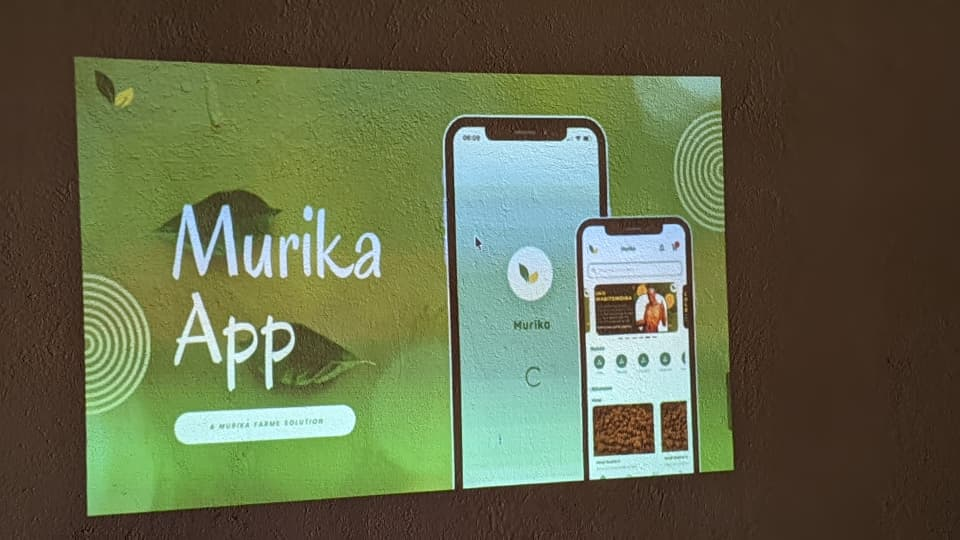
Farmers can use smartphones to check daily prices before selling their crops.
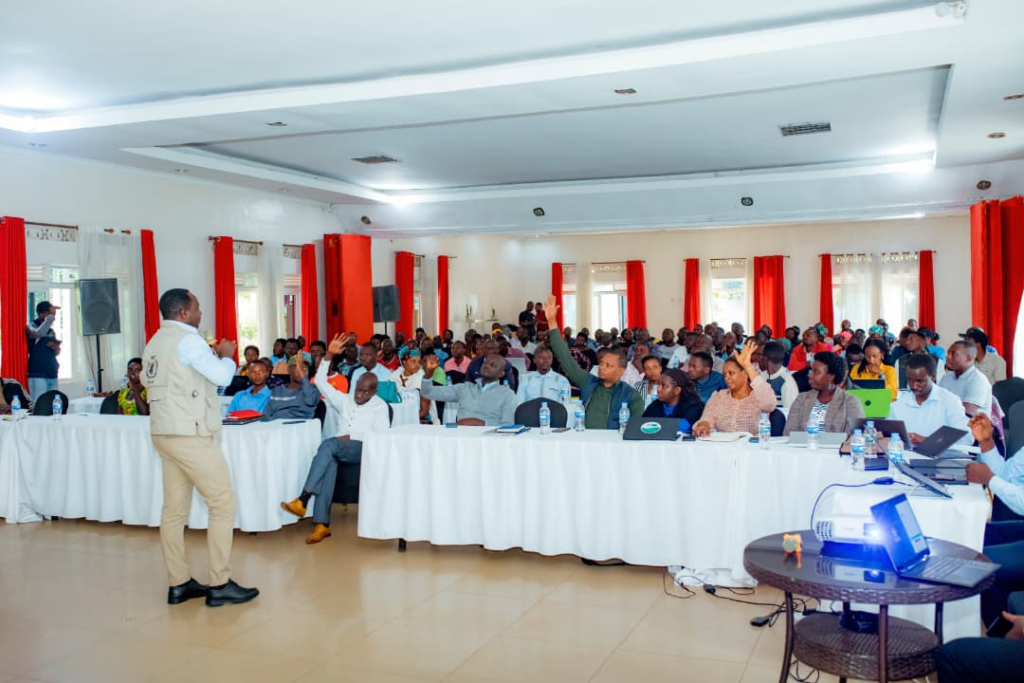
“We were trained to use the app, I can open my phone, check the market price and know exactly what my potatoes are worth. Nobody can easily cheat us anymore because we can see the information ourselves.” Maniriho explained.
Payments are made digitally, reducing delays and increasing fair trading
The grading system also means farmers receive better value for higher-quality produce instead of having all potatoes sold at one low price.
Income Doubles for Some Farmers
The financial impact has been significant.
Maniriho says his earnings have increased dramatically since joining the platform.
“If I used to make about RWF 300,000 from my harvest, today I can earn between RWF 800,000 and RWF 900,000, Because of the extra income, I have renovated my house, bought a cow and I can pay school fees for my children without borrowing money ” he said.
He adds that one of his biggest worries has disappeared.
“The seed problem is solved. I no longer run around looking for seeds in markets. I keep my own seeds and even help other farmers who need them.”
Women Farmers Also Seeing Benefits
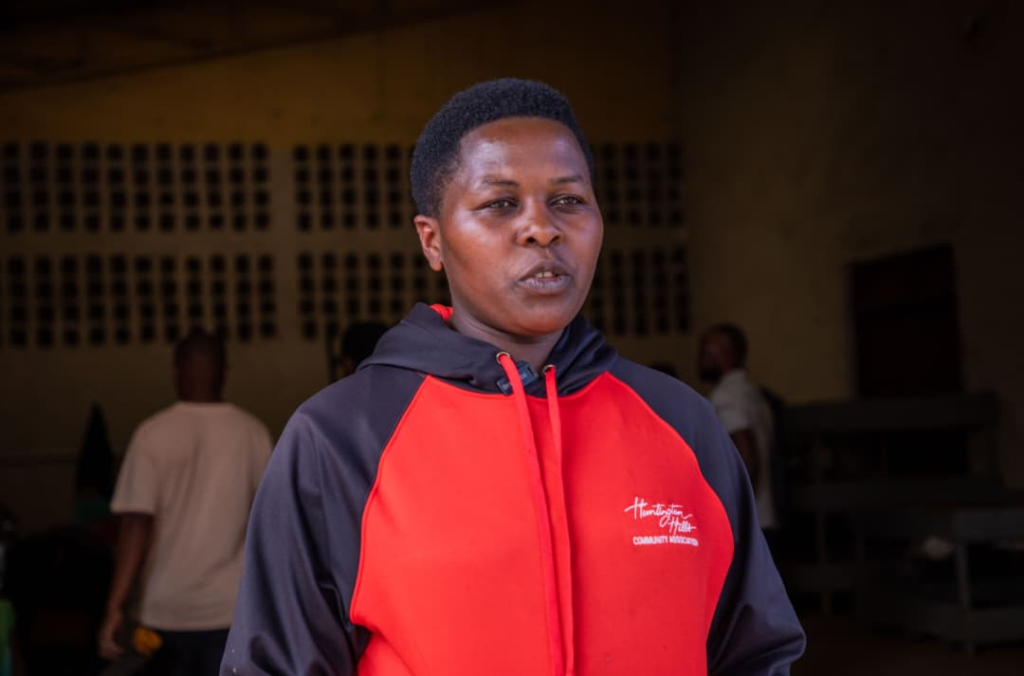
Claudine Nyirabashyitsi, a potato farmer from Musanze District, says the platform has made trading fairer and more transparent.
“In the past, traders came with their own methods. We often did not know whether we were being paid correctly, today, potatoes are weighed properly, sorted by quality and sold based on clear prices. I know exactly how much I have delivered and how much I should receive. That gives me confidence.” she said.
She says the grading system protects farmers from losses because prices reflect the actual quality of the harvest.
“When my potatoes are sorted, I can see which are first grade and which are lower grades. The payment is based on that quality. It is fair for both the farmer and the buyer.”
Fighting the Power of Middlemen

According to Byiringiro Sad, Technology Lead at Murika Farms, the company was created to address a long-standing problem in Rwanda’s agricultural markets.
“The middleman was earning the largest share of the profit; they bought produce from farmers at low prices and then sold it on the market at much higher prices.” he said.
Murika’s solution is to connect farmers directly to buyers while displaying actual market prices.
“Our goal is to make sure the value that used to disappear through unfair trading returns to the farmer, we do not charge farmers to use the platform. Our revenue comes from services provided to buyers.” Sad said.
The company also introduced potato grading machines, digital payments and logistics support to make transactions more clear process.
Growing Impact Across Rwanda
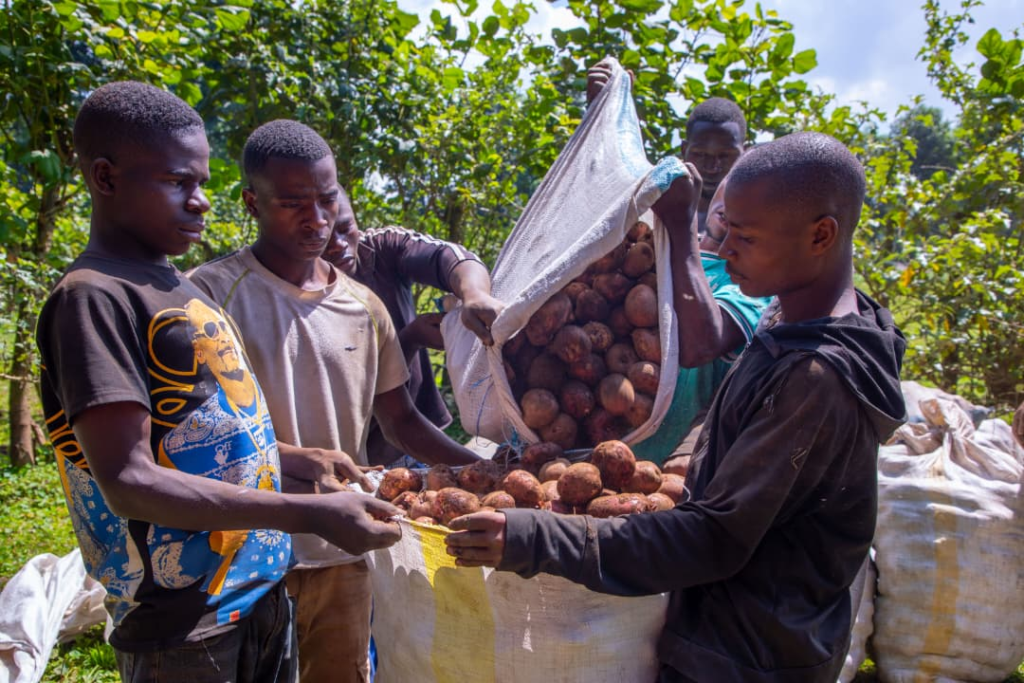
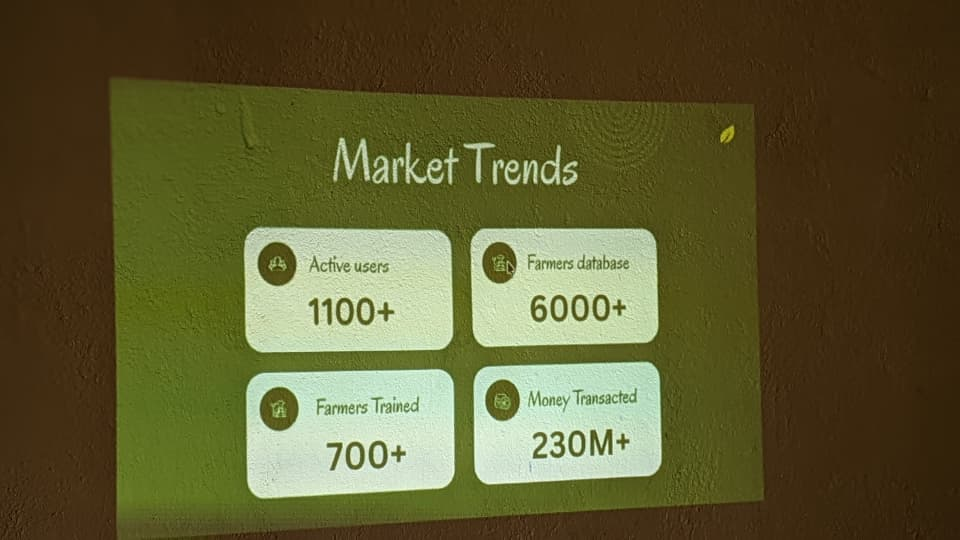
Murika Farms currently works with more than 6,000 farmers and livestock producers and 11 cooperatives across Rwanda. Women make up 54 percent of participating farmers.
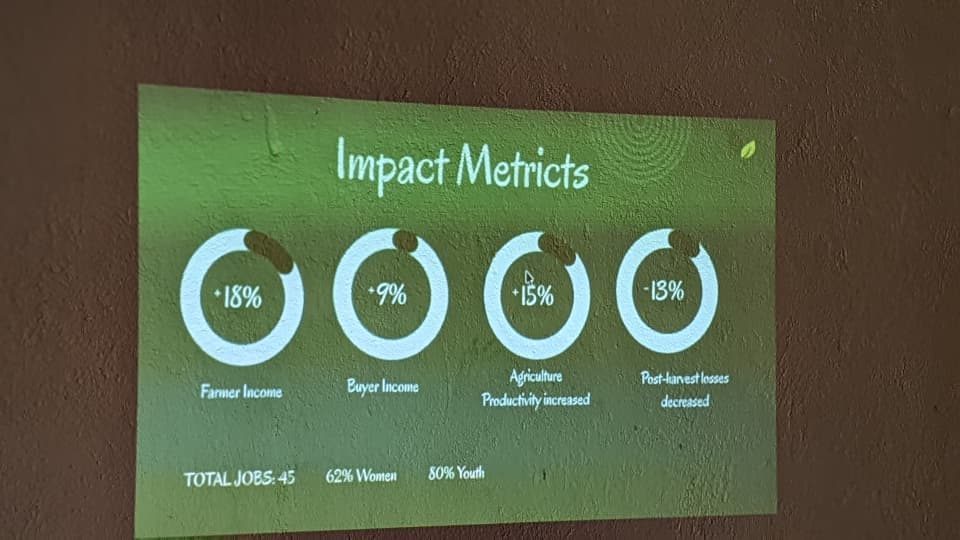
Company data shows the platform has facilitated transactions worth more than RWF 230 million. Farmers using the service have reported an average 18 percent increase in income, while agricultural productivity has risen by 15 percent and post-harvest losses have fallen by 13 percent.
The company has also created 45 jobs, with women holding 62 percent of the positions and youth accounting for 80 percent.
Looking ahead.
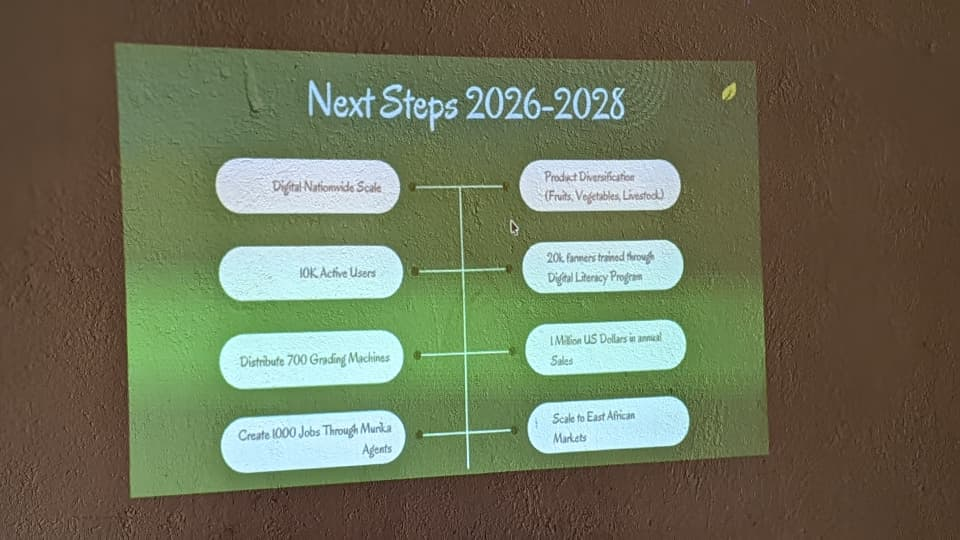
Murika Farms envisions a future where technology connects every farmer to reliable markets and fair prices. Between 2026 and 2028, the company aims to expand its digital marketplace across Rwanda, reaching more than 10,000 active users and training 20,000 farmers in digital skills. Murika also plans to broaden its services beyond potatoes to include fruits, vegetables and livestock products, while distributing 700 grading machines to improve quality-based marketing.
The company hopes to generate more than US$1 million in annual sales, create 1,000 jobs through its network of agents, and eventually expand into East African markets. Through this vision, Murika seeks to build a stronger agricultural trading system where farmers can earn more from their produce and access larger markets with greater ease.