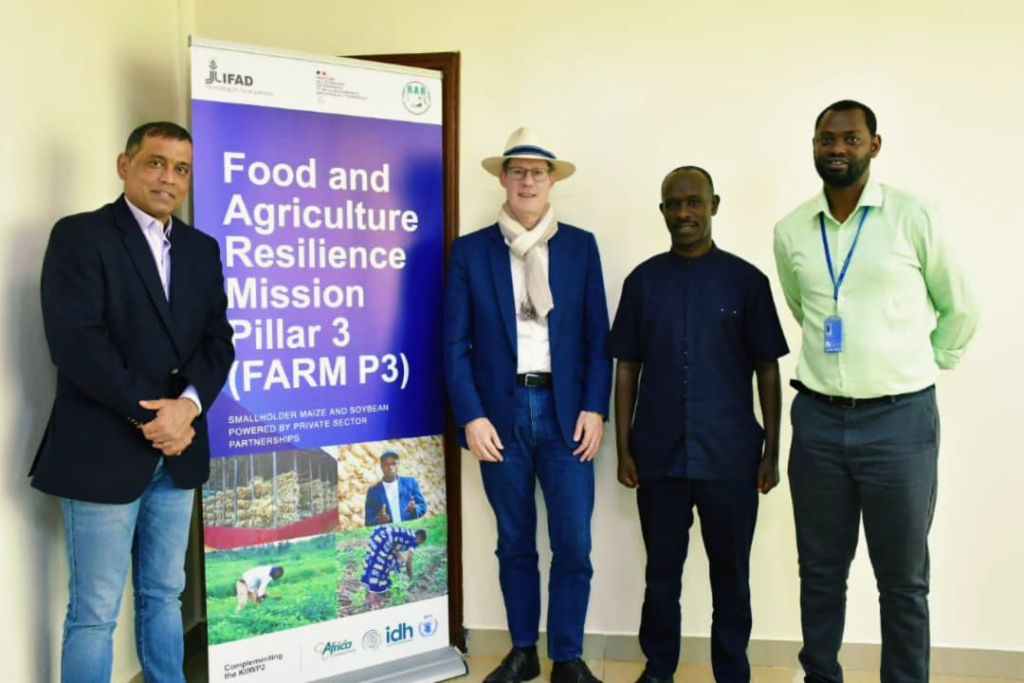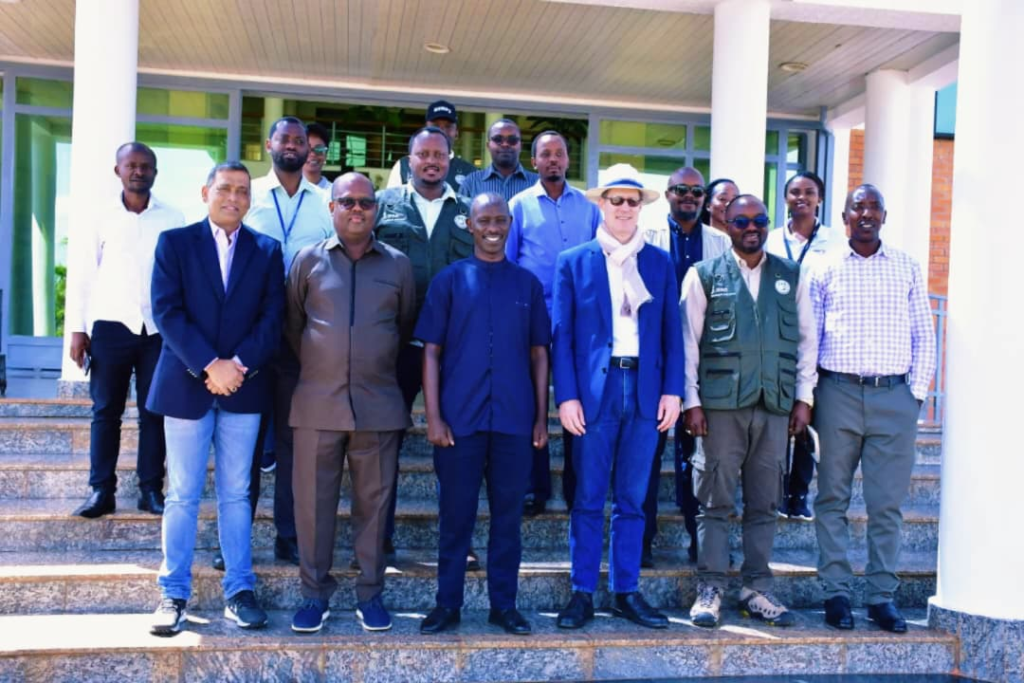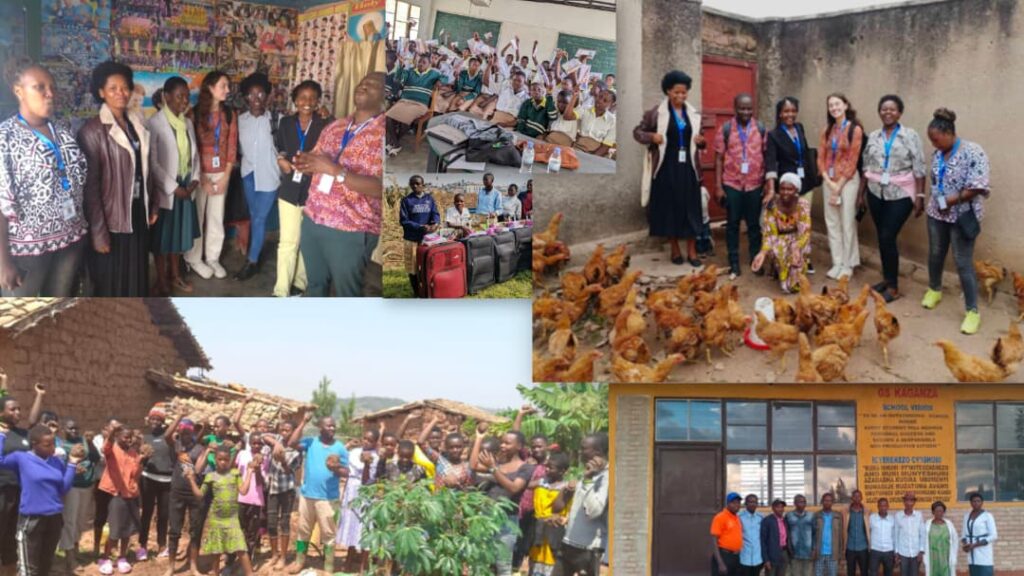
On 27 may 2026 A visit by French officials and development partners to Murundi Sector in Kayonza District has highlighted growing success in a project helping farmers increase production, reduce harvest losses and earn more money from maize and soybean farming.
The visit focused on the Food and Agriculture Resilience Mission Pillar 3 (FARM P3), a project led by the International Fund for Agricultural Development (IFAD) together with the Rwanda Agriculture and Animal Resources Development Board (RAB), cooperatives, private companies and development partners.
The initiative, launched with support from the Government of France, aims to improve the lives of up to 4,000 smallholder farmers in Kayonza District by connecting them to markets, introducing modern farming methods and reducing post-harvest losses.
French Delegation Visits Farmers
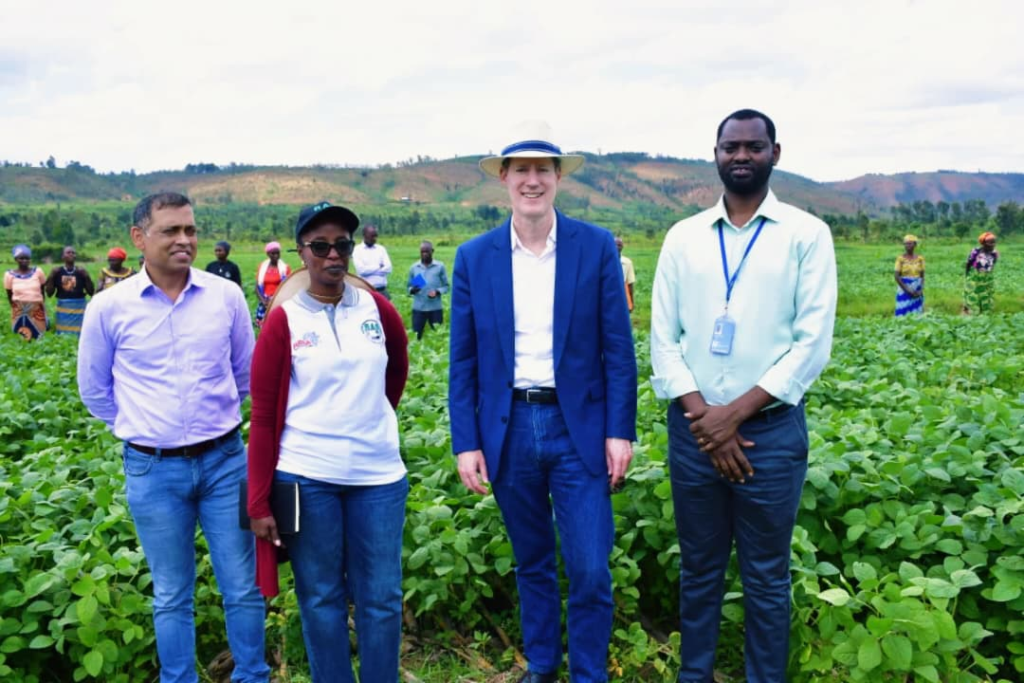
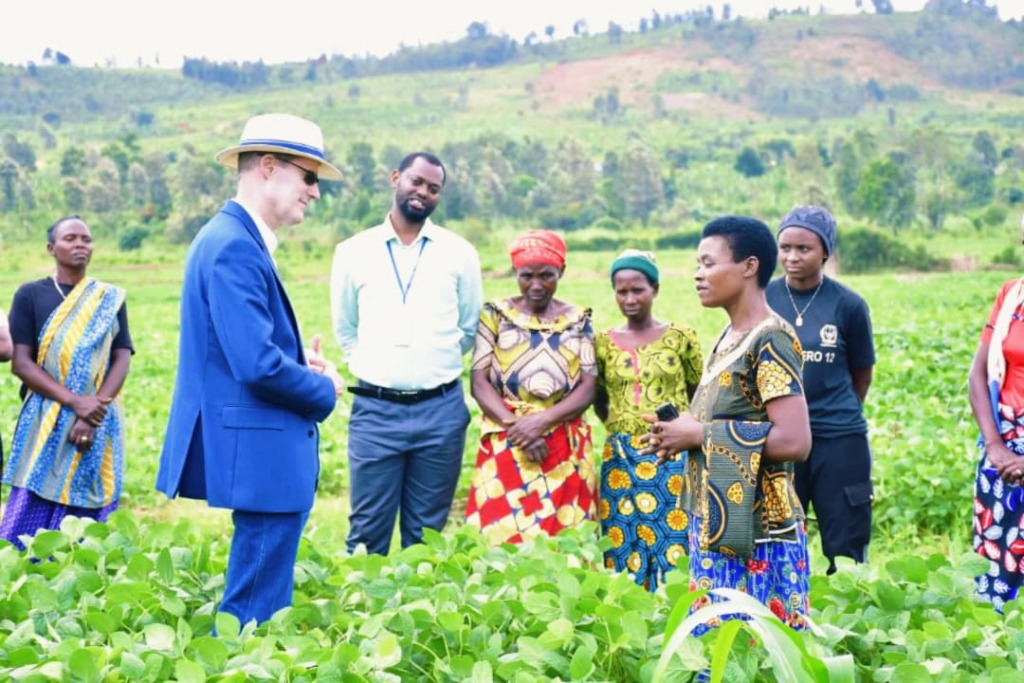
During the field visit, French Embassy Representative Martin Parent, who oversees French government activities in East Africa and the Indian Ocean region, visited soybean demonstration fields and met farmers benefiting from the project.
Parent said the results were already visible.
“France launched the FARM initiative in 2022 to help African countries build resilient agriculture systems and strengthen food security. Rwanda was selected because of its strong commitment to transforming agriculture and supporting farmers,” he said.
“We are already seeing encouraging results here in Kayonza. These soybean fields behind me are proof that the project is working. The objective is to help farmers produce more, lose less after harvest and access better markets so they can increase their incomes.” He said
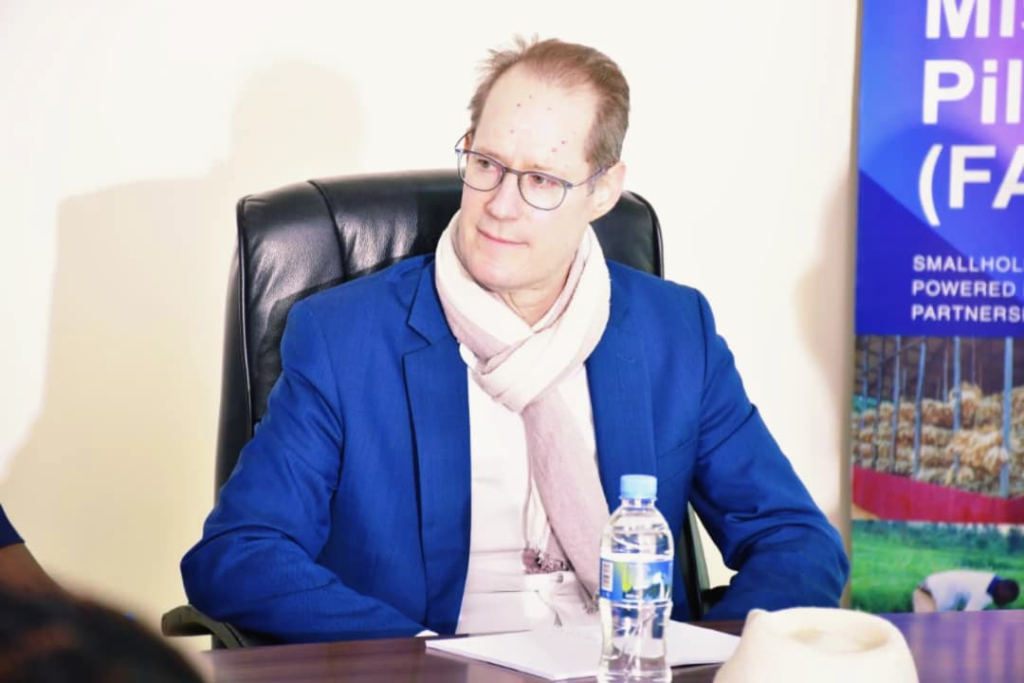
He added that the project is not only about training farmers but also about building long-term business partnerships between farmers, cooperatives and private companies.
“We want farmers to move from subsistence farming to market-oriented agriculture. Through FARM P3, cooperatives are receiving drying equipment, farmers are learning modern techniques and private buyers are signing contracts with cooperatives. This creates confidence for farmers because they know where they will sell their produce,” Parent explained.
Farmers say the project is already changing their lives.
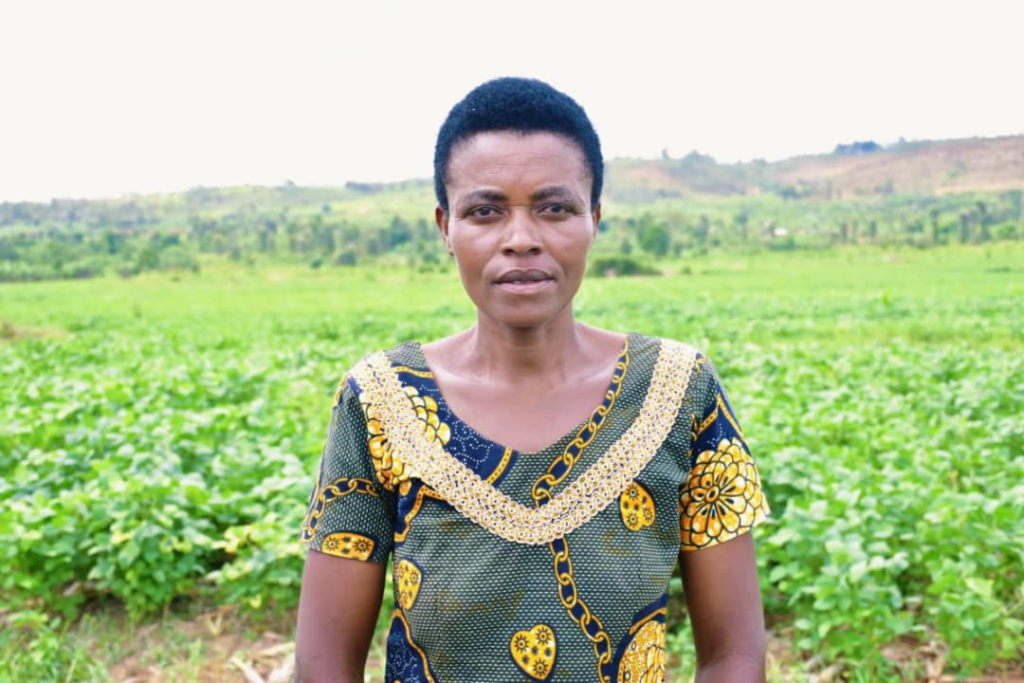
Joseline Bosenibo, a member of Abakundamurimo Cooperative in Murundi Sector, said soybean farming has helped improve her family’s living conditions.
“Before joining this programme, life was difficult and my harvests were very low. Today, because of soybean farming and the training we received, I have improved my house and increased my income. We are seeing real change,” she said.
From Losses to Better Markets
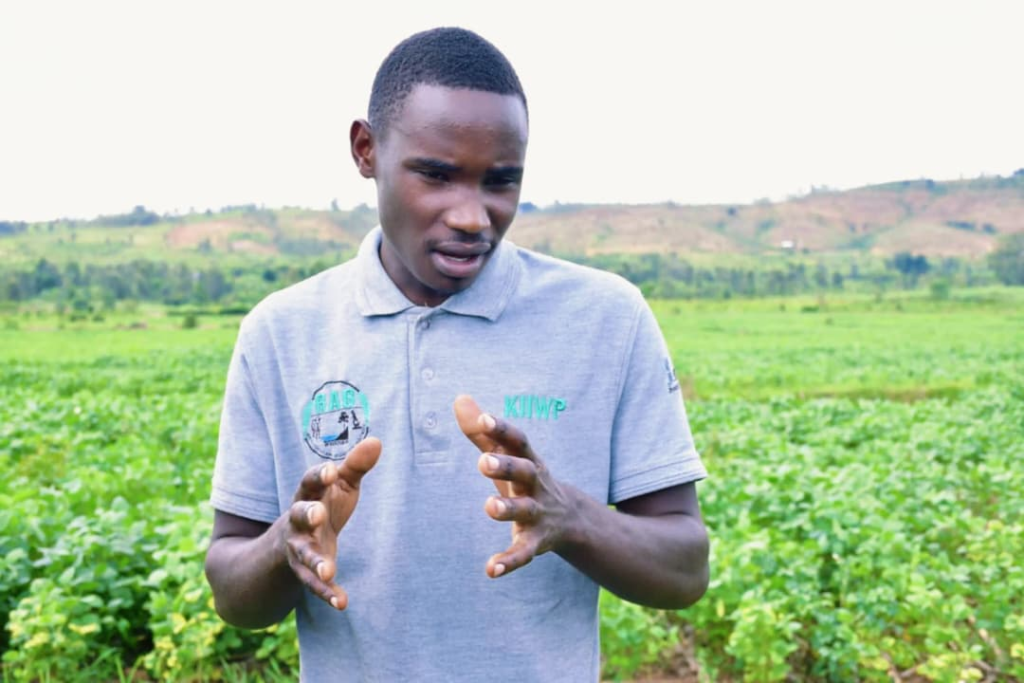
Another farmer, Mutuyimana Innocent, said support from FARM P3 helped farmers improve soybean production through better seeds and modern farming methods.
After cultivating 30 areas, he harvested 540 kilograms of soybeans and said farmers now have confidence because they have guaranteed buyers through purchase contracts.
“In the past, we lacked knowledge and sold to middlemen at very low prices. We also lost up to 30 per cent of our harvest after production, Today, with drying and storage facilities being built, we expect fewer losses and better incomes” he said.
Local Leaders Welcome the Initiative
The Acting Mayor of Kayonza District, Hategekimana Fred also praised the partnership, saying the project is helping farmers adapt to climate change while improving irrigation and agricultural production in the district.
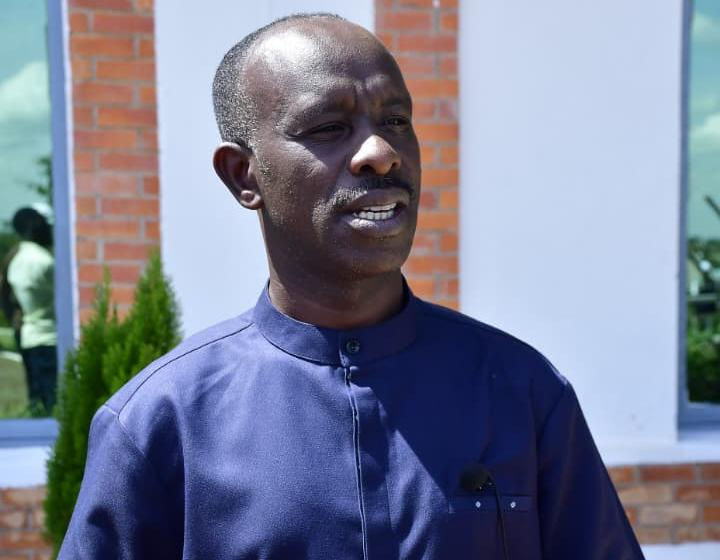
“This project is helping our farmers increase production and reduce losses after harvest. It is also improving irrigation infrastructure and creating opportunities for farmers to work with the private sector,” the mayor said.
He added that climate change remains one of the biggest challenges facing agriculture in the district, especially droughts and floods, but partnerships like FARM P3 are helping communities become more resilient.
Thousands of Farmers Already Supported
The FARM P3 pilot project has a budget of US$1.23 million and complements the larger IFAD-funded Kayonza Irrigation and Integrated Watershed Management Project Phase II (KIIWP2), which supports more than 40,000 rural households across the region.
According to project data, more than 2,840 farmers have already been trained in post-harvest management and loss reduction. Over 9,718 tonnes of maize have been sold through project-supported market linkages, while 27 contracts have been signed between cooperatives and private buyers.
The project has also approved 14 drying shelters, four mechanical dryers and two threshing machines to help farmers protect their harvests and improve quality.
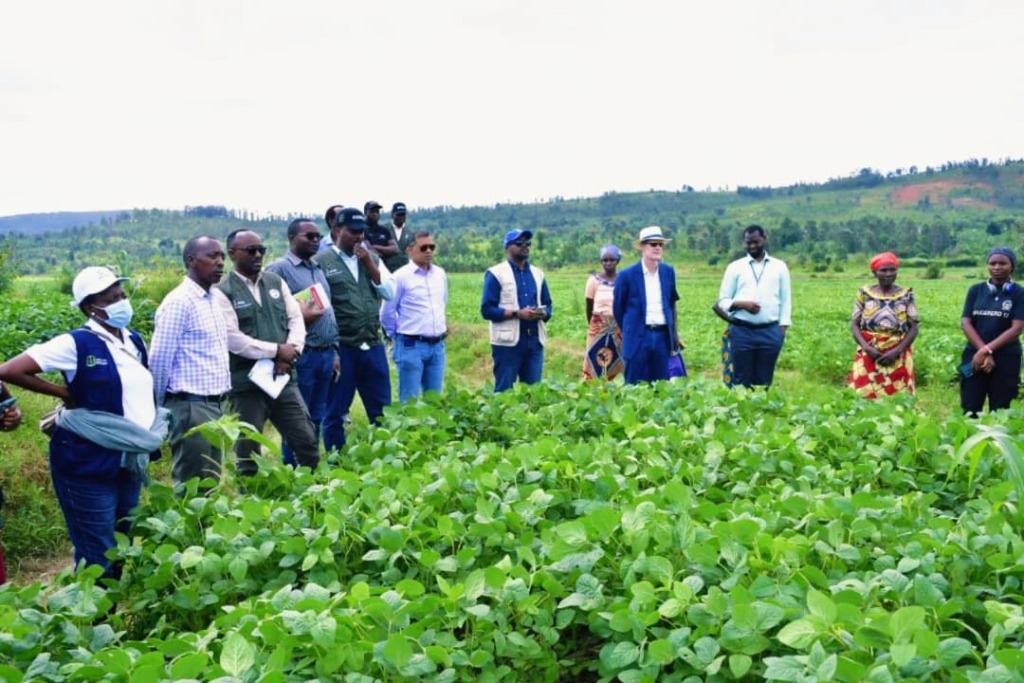
For soybean production, eight demonstration plots have been established and more than 1,354 farmers trained in good agricultural practices. Twenty-six cooperatives have already been connected to buyers and agro-processors.
FARM P3 is part of a global initiative launched by France under the European Union Council Presidency to respond to the global food crisis. IFAD coordinates the third pillar of the initiative, which focuses on building sustainable and resilient food systems, especially in Africa.
In Rwanda, the programme focuses on maize and soybean value chains because post-harvest maize losses are estimated at 13.8 per cent, while soybean demand from agro-processing companies continues to grow.
Project partners believe that improving drying facilities, strengthening market connections and introducing better farming practices will help small farmers earn more while improving food security in Rwanda.
As harvesting season approaches, farmers in Kayonza are now waiting to see how much more income the new soybean fields and improved maize production will bring to their families.