Farmers who once sold goats and household property after floods and drought now say insurance has become their safety net
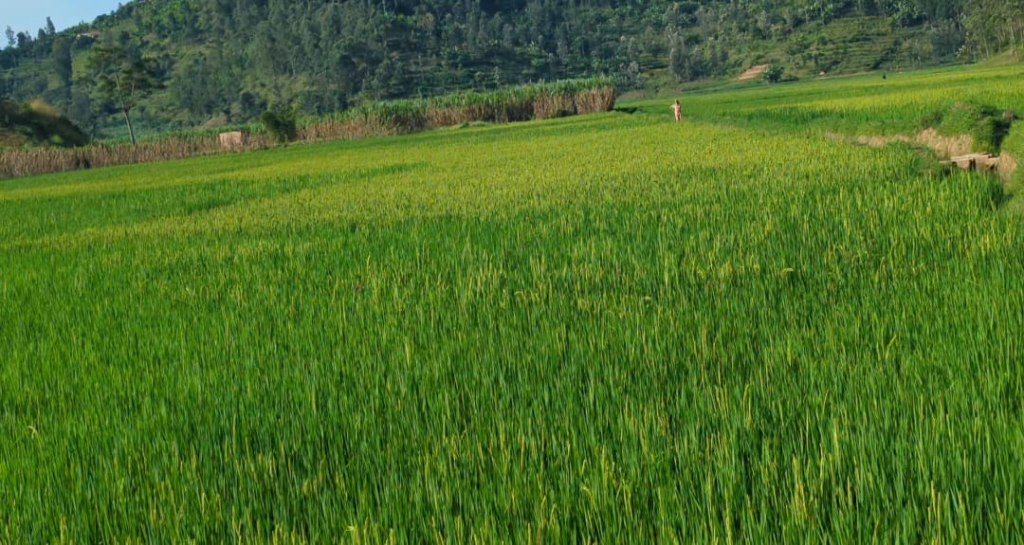
For many years, rice farmers in Nyamasheke District lived with fear every farming season. Heavy rains flooded their fields. Strong winds destroyed crops. Diseases and drought reduced harvests. And when losses came, many farmers had nowhere to turn. Some sold goats, household property and even small pieces of land just to return to farming.
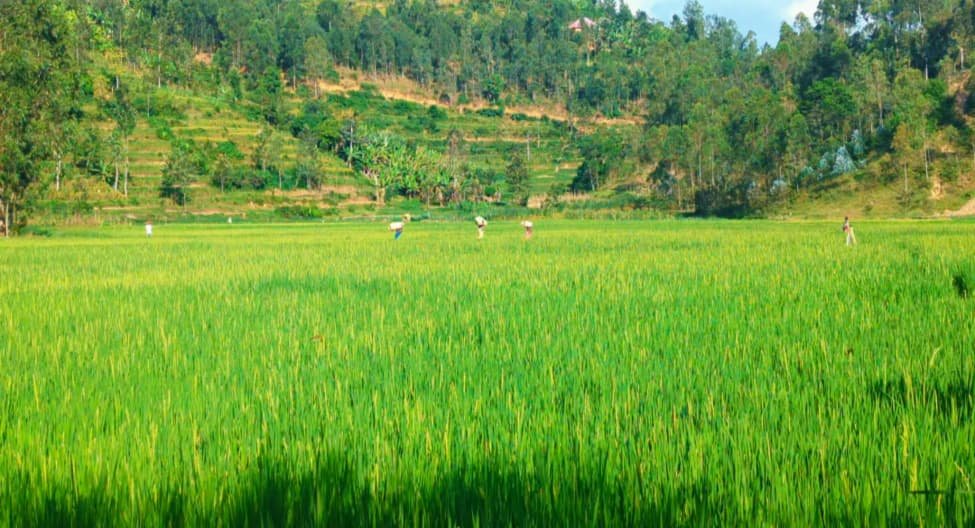
Today, many of those same farmers are encouraging others to join the government-supported Tekana Urishingiwe Muhinzi Mworozi insurance scheme before disasters happen. Their message is “do not wait until losses teach you a painful lesson.”
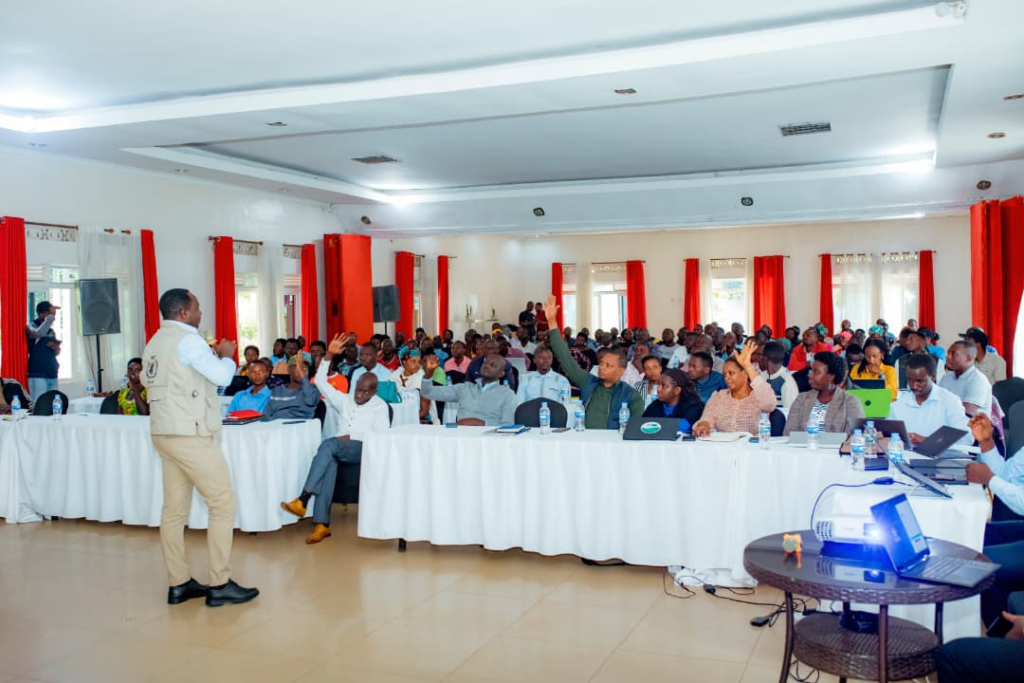
They shared their testimonies during the ongoing awareness campaign organized by the Rwanda Agriculture and Animal Resources Development Board (RAB) to encourage more farmers to join the insurance scheme as climate risks continue to increase across the country.
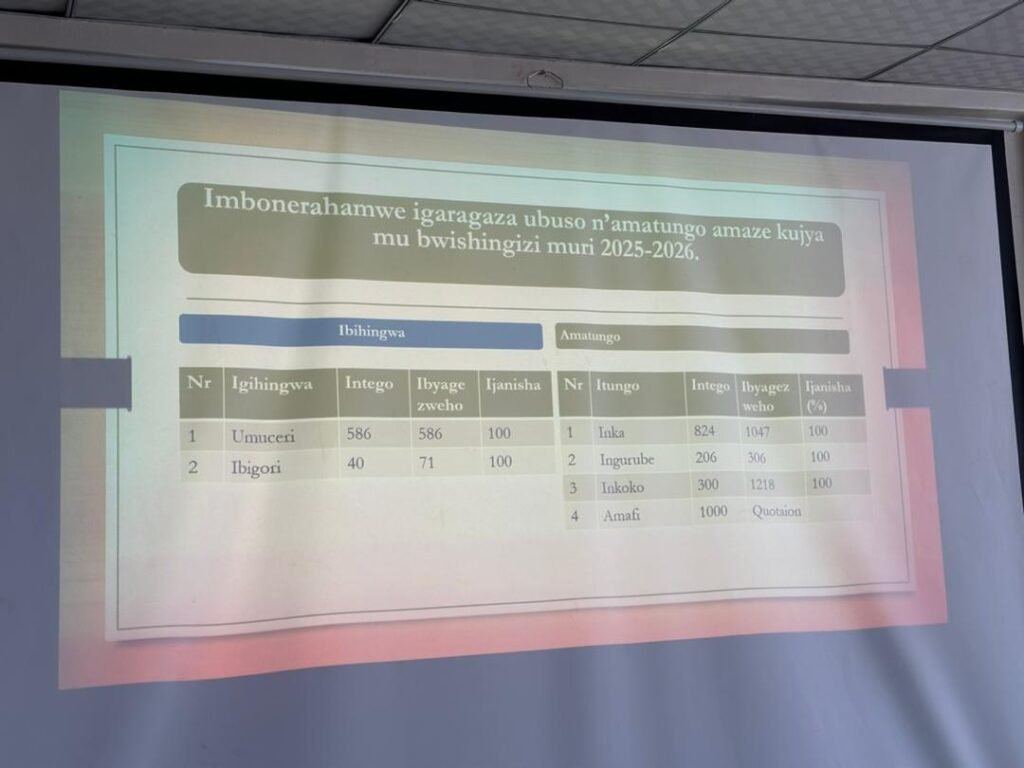
The campaign in Nyamasheke District on 27 May 2026 brought together government officials, insurance companies and local leaders to encourage farmers to protect their crops, livestock and investments against floods, drought, diseases and other climate-related disasters.
Farmers say insurance changed their lives
For Uwizeyimana Christine, a leader of Duhuze Imbaraga Cooperative in Kirimbi marshland in Macuba Sector, insurance changed the lives of hundreds of rice farmers.
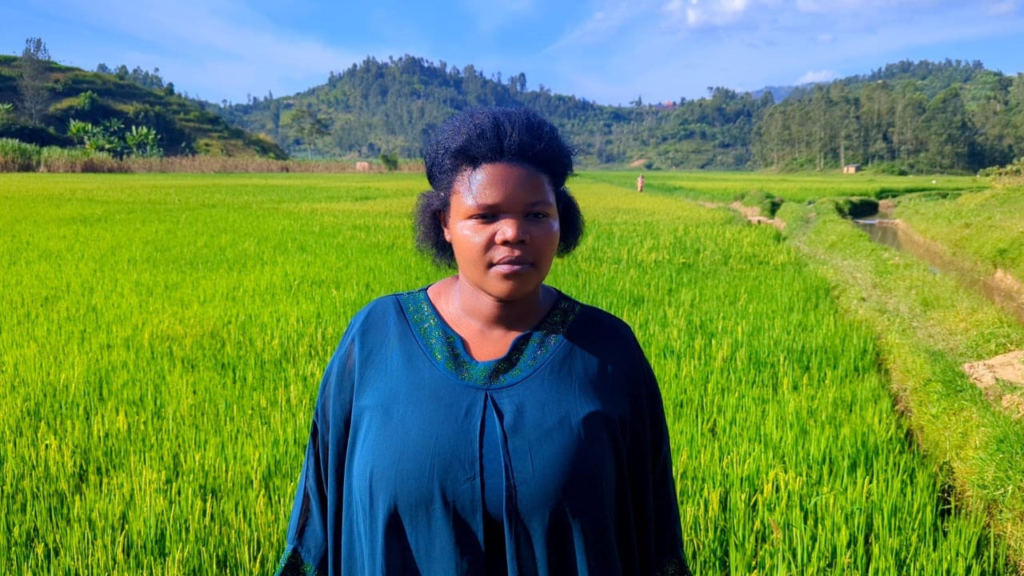
Her cooperative has more than 1,530 farmers cultivating rice on 125 hectares, and all members are now insured under Tekana Urishingiwe Muhinzi Mworozi. She said farmers decided to join the scheme after years of painful losses.
“We used to face disasters all the time. Floods, strong winds and diseases destroyed our rice fields and we had nobody to help us. When floods came, farmers lost everything they invested. At that time there was nowhere to report losses and nobody compensated us,” she said.
Christine said the cooperative joined Tekana in 2019 after hearing that the government had introduced insurance support for farmers.
“Every farming season we pay insurance for all the hectares we cultivate. Today no farmer in our cooperative is left out,” she said.
The cooperative currently pays about Rwf3.8 million in insurance premiums every season. Since joining the scheme, Christine said the cooperative has received more than Rwf35 million in compensation after different climate-related disasters.
“There has never been a season without some farmers being compensated because disasters still happen. Sometimes we face floods from Lake Kivu, sometimes strong winds and sometimes crop diseases. But when losses happen, we report them and compensation helps farmers continue working,” she explained.
She said before insurance, recovering from losses was extremely difficult.
“In the past, when floods destroyed crops, farmers sold goats or other family property just to return to farming. But now compensation helps us continue farming without selling household property. Insurance has protected many families from falling deeper into poverty,” she said.
Farmers encourage others not to wait for disasters before joining insurance
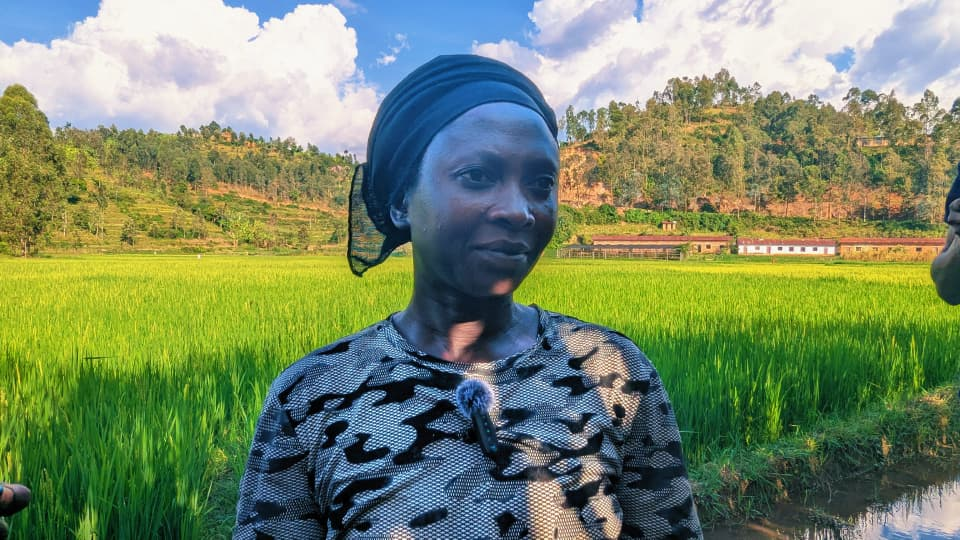
Another rice farmer, Mariya Yapfashije from Kirimbi Sector, said she personally learned the importance of insurance after losing her rice fields to floods.
“My rice field was completely flooded and I harvested nothing. I lost five plots of rice because of floods. At that time, I had no support and no compensation,” she said.
After joining Tekana, she later experienced another disaster but this time she received compensation.
“When floods affected my field again, the cooperative informed the insurance company and I was compensated. The money helped me return to farming quickly. Without insurance, it would have been very difficult for me to continue farming,” she said.
She now encourages other farmers to join before they experience losses.
“Many people wait until disaster happens before understanding the importance of insurance. But it is better to prepare early instead of regretting later,” she said.
Climate change continues to affect agriculture
Vice Mayor in charge of Economic Development in Nyamasheke District, Muhayeyezu Joseph Desire, said agricultural insurance has become an important tool in helping farmers continue farming even after losses.
“Agricultural insurance is still new for many farmers even though it has existed for nearly five years. But what we have seen is that when farmers understand it well, they see its importance because it protects them from heavy losses caused by floods, drought, diseases and other disasters,” he said during the awareness campaign.

He said Nyamasheke continues to face serious climate risks, especially floods and drought affecting farming activities.
“We are a district that often experiences floods and changing weather conditions. Before insurance, when disasters destroyed crops, many farmers completely failed to recover. Some cooperatives stopped operating because they had no capital to continue farming. But now when losses happen, insurance companies compensate farmers and they are able to return to farming in the next season,” he said.
According to district officials, more farmers are increasingly joining the Tekana scheme because they have seen real examples of neighbors who received compensation after losses.
Vice Mayor Joseph said climate change continues to affect farming patterns in Nyamasheke, especially in areas near Lake Kivu.
“In recent seasons we experienced long dry periods in sectors like Nyabitekeri and other areas near Lake Kivu. Today weather conditions are no longer predictable. Even in months that normally receive rain, we sometimes experience strong sunshine and drought,” he said.
Government expands awareness campaign
He said the district is now working with agronomists and local leaders to increase awareness among small farmers so that more people can join the insurance scheme.
“When you ensure your crops or animals, you protect your future. If losses happen, insurance helps you stand up again and continue working,” he said.
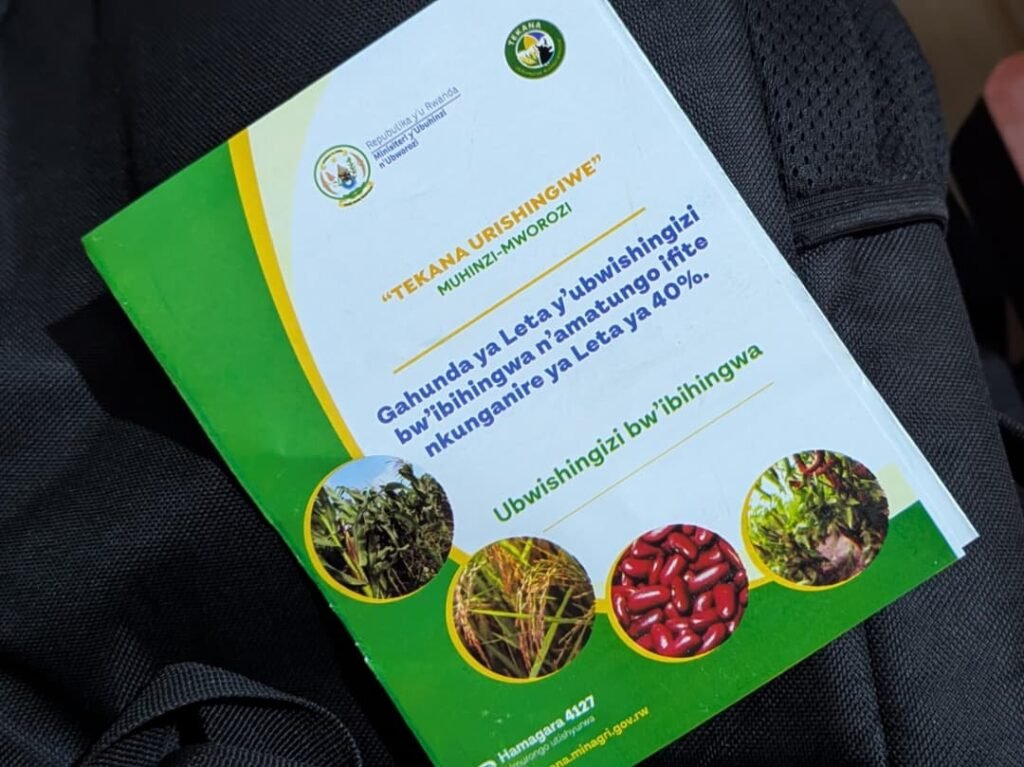
The Tekana scheme currently covers crops such as maize, rice, beans, Irish potatoes, cassava, soybean and chili. It also covers cows, pigs, chickens and fish farming.
Recently, the government also introduced insurance for greenhouse farming. The insurance covers crops grown inside greenhouses, greenhouse structures, irrigation equipment and even transportation of produce from farms to markets.
Fish farming insurance has also been added following repeated losses linked to changing weather conditions.
Tekana insurance supported by government and partners
Rwanda’s National Agricultural Insurance Scheme (NAIS), known as “Tekana Urishingiwe Muhinzi Mworozi” insurance is a Government of Rwanda program implemented by The Ministry of Agriculture and Animal Resources (MINAGRI) trough the Rwanda Agriculture and Animal Resources Development Board (RAB) ’s Single Project Implementation Unit (SPIU), in partnership with insurance companies including BK Insurance, SONARWA, Radiant Yacu and Old Mutual.
The program is also supported through the Commercialization and De-Risking for Agricultural Transformation (CDAT) Project funded by the International Fund for Agricultural Development (IFAD), the World Bank and the Korea International Cooperation Agency (KOICA).
As more farmers in Nyamasheke continue sharing testimonies of how insurance helped them recover from floods, drought and diseases, local leaders believe more people will join the scheme not after losing everything, but before disaster strikes.