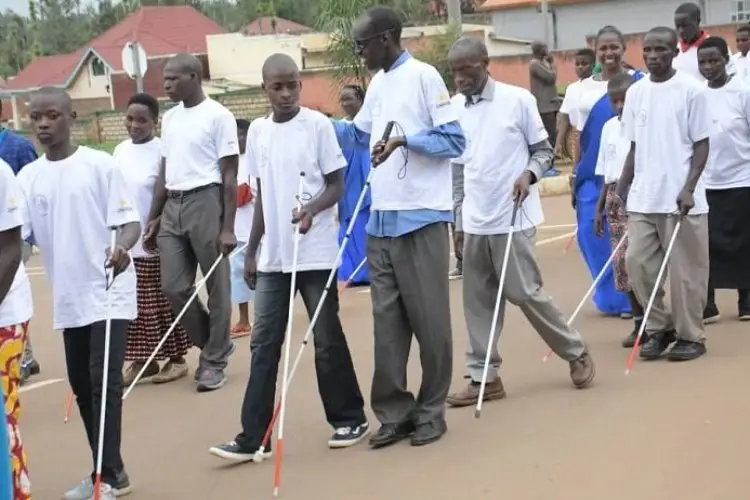
A new regional platform aims to end a forgotten disease affecting thousands across Africa
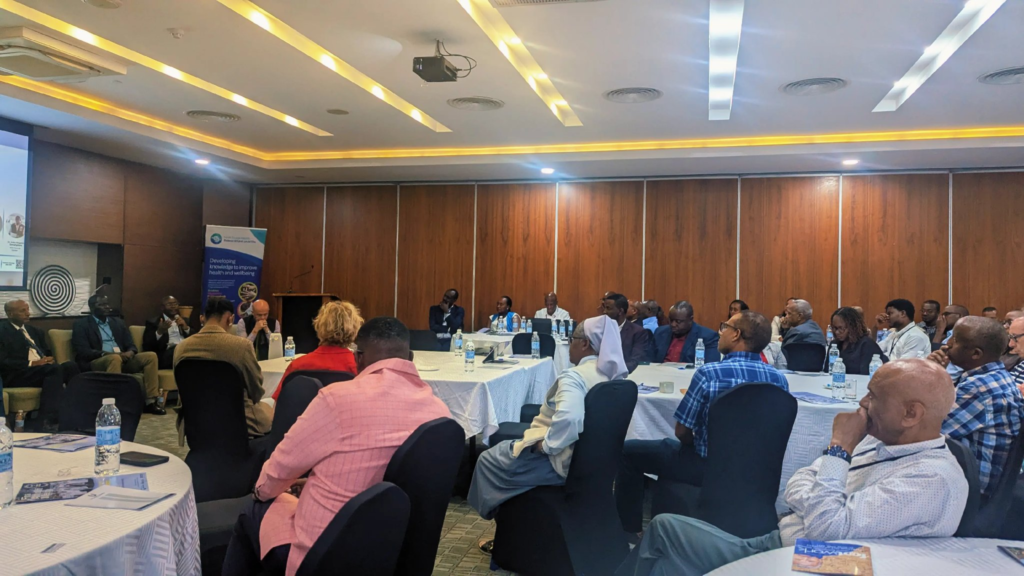
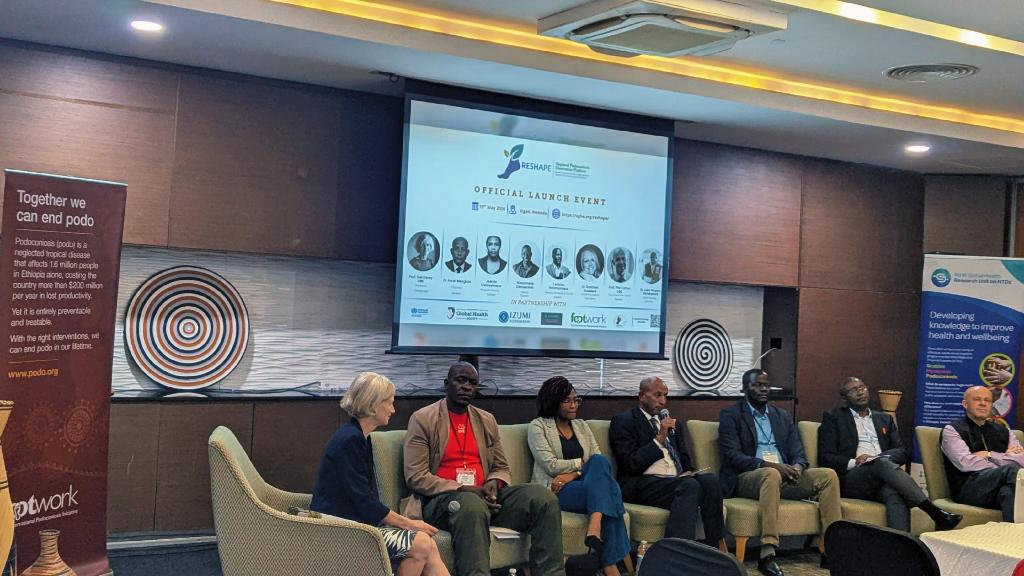
Health experts, researchers, government officials and former patients gathered in Kigali to launch RESHAPE, a new regional platform that hopes to eliminate podoconiosis a neglected tropical disease that continues to affect some of Africa’s poorest and most remote communities.
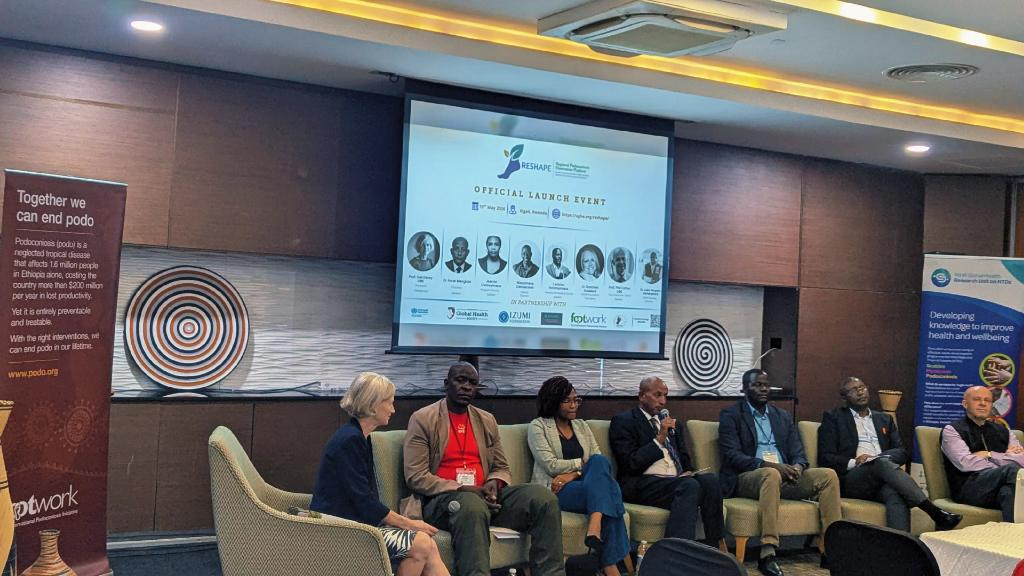
The platform, officially known as Resilient and Sustainable Health Systems Approaches to Podoconiosis Elimination, was launched in Kigali by partners including Footwork, Brighton and Sussex Medical School, the University of Global Health Equity (UGHE), and regional health institutions.
The event brought together voices from across Africa and beyond, all focused on ending a disease that many people still do not know exists.
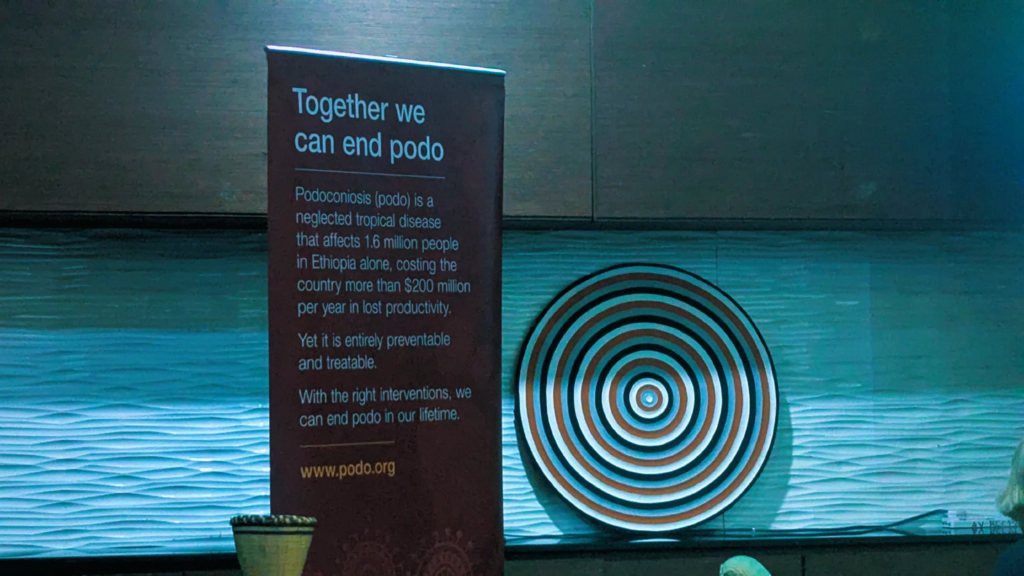
Podoconiosis, commonly known as “podo,” causes severe swelling of the legs and feet. Unlike many tropical diseases, it is not caused by a virus, bacteria or parasite. Experts say it develops after years of walking barefoot on volcanic red clay soil, especially in highland tropical areas.
Professor Gail Davey, a global health expert and founder of Footwork, said the disease has been ignored for far too long.
“Podo has been neglected for decades, there are many countries across Africa and the rest of the world where people don’t know that it exists, and people affected are completely forgotten.” she said during an interview at the launch.
She explained that RESHAPE was created to help African countries identify cases, improve treatment and share knowledge across borders.
“We are developing a network across the WHO Afro region to underpin podoconiosis elimination,” she said.
Millions affected across Africa
Researchers say podoconiosis remains a major public health problem in several African countries. According to data shared during the launch, Ethiopia alone has about 1.5 million people living with the disease across 345 districts. In Rwanda, health experts estimate that more than 6,000 people are affected across all 30 districts of the country. Countries including Kenya, Cameroon and Uganda have also mapped cases, while Burundi and Zimbabwe are now investigating the scale of the disease.
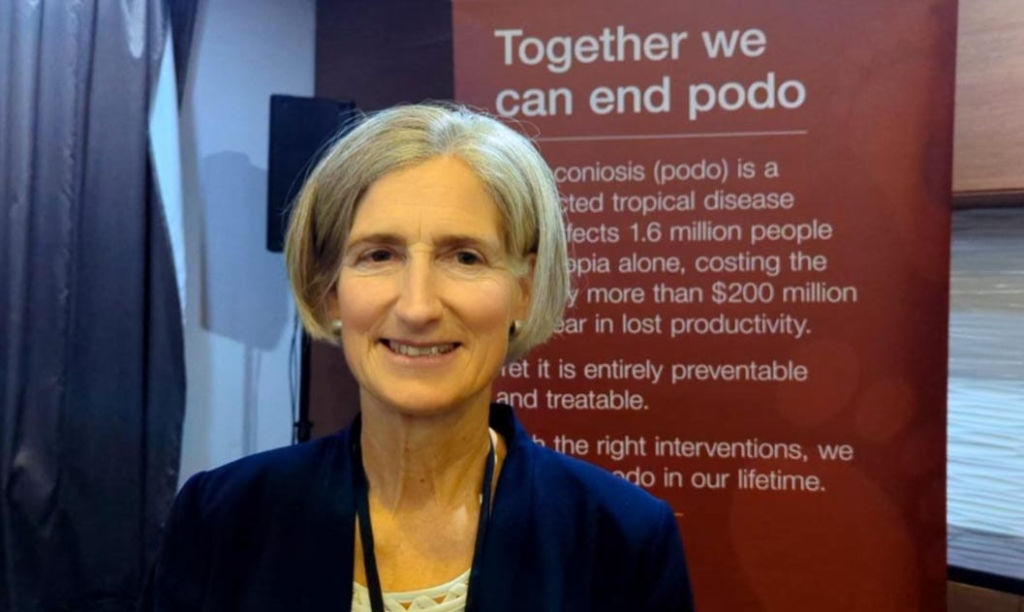
Professor Davey said the condition mainly affects poor farming communities where people often work barefoot for years.
“It seems to be a long-term reaction to walking without shoes on red clay soils, those highland soils in tropical areas where coffee and tea are often grown are the areas where podoconiosis develops.” she explained.
She added that genetics may also play a role, meaning some people are more likely to develop the disease than others.
Funding challenge remains
During the launch, organisers announced initial funding support from the Izumi Foundation to help establish the RESHAPE secretariat.
But Professor Davey admitted that finding long-term funding will remain difficult.
“Funding is very challenging in today’s climate, But a lot of what RESHAPE stands for can be done through sharing experience, exchanging information and working together.” she said
She said some activities, such as prevention campaigns and training communities, are less expensive and can still have a major impact.
Patients still face stigma
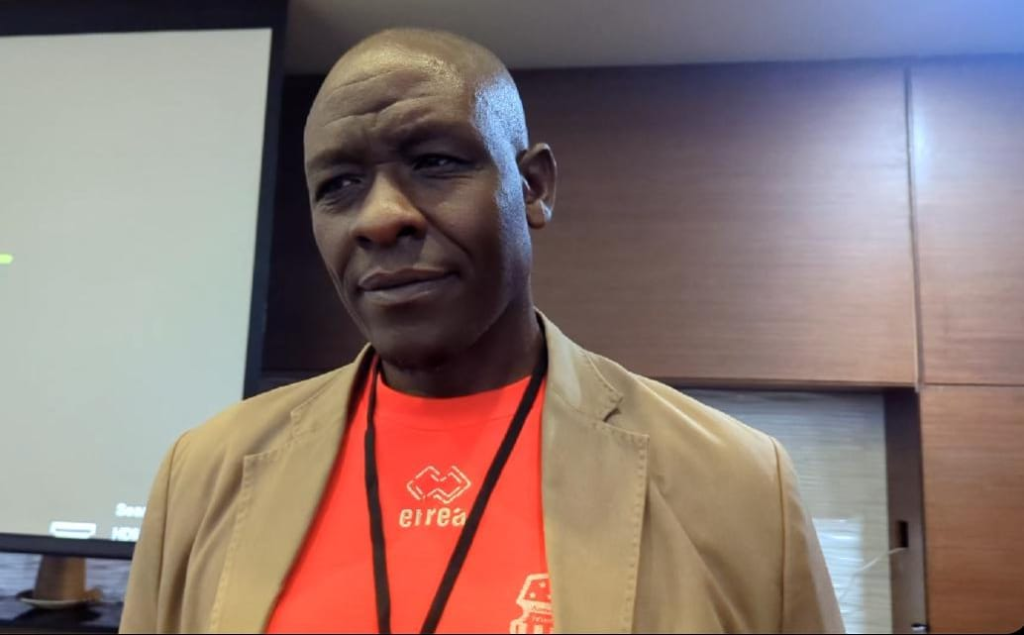
At the event a patients who shared their personal experiences with the disease.
Jean Damascene Nizeyimana, a resident of Burera District in northern Rwanda, said he once believed there was no treatment for podoconiosis. He described how his legs became severely swollen before he finally received medical support.
“My legs were very big, but after treatment they slowly reduced little by little. Now I am much better.” he said.
Nizeyimana said many people still wrongly believe podoconiosis is caused by witchcraft.
“People who say podoconiosis is witchcraft are lying, this is a disease like any other. It can be treated.” he said firmly.
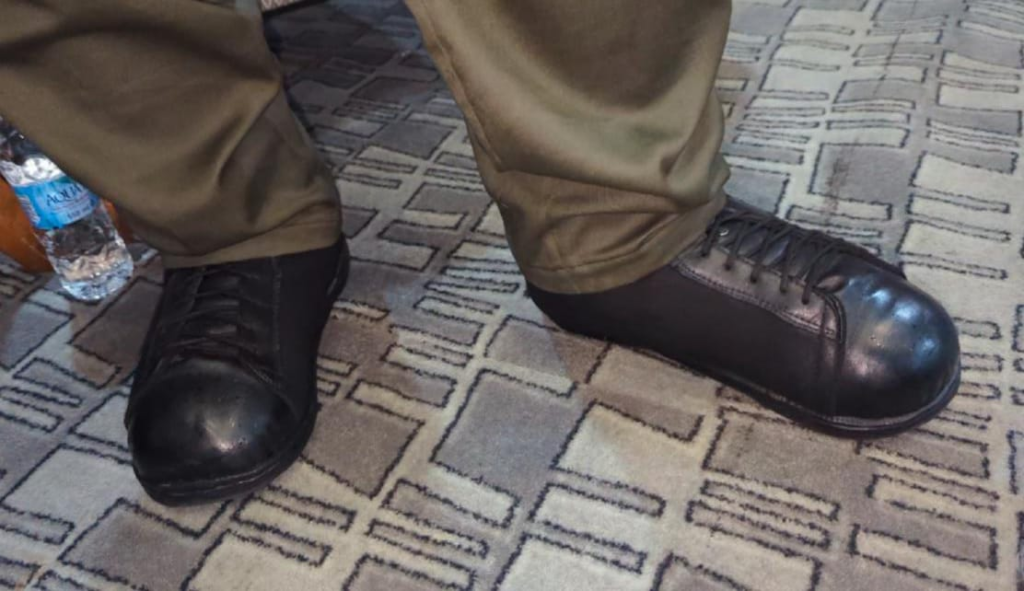
He now helps produce shoes for patients as part of a support project helping vulnerable communities. According to him, proper footwear is one of the most important ways to prevent the disease.
A fight beyond medicine
Experts at the launch stressed that eliminating podoconiosis is not only about medicine, but also about dignity, education and inclusion.
Many patients face discrimination because of the visible swelling caused by the disease.
Nizeyimana said some people once avoided sharing meals or social spaces with patients.
But he believes awareness is slowly changing attitudes.
“Talking about the disease should not be shameful, People need to know it can be treated.” he said.
Organisers of RESHAPE say they want patients to remain at the center of all future programs.
“We want to work with affected people and their communities; we must understand their experiences and help them access the services they need.” Professor Davey said.
Looking ahead
The launch of RESHAPE marks a new step in Africa’s fight against neglected tropical diseases.
With governments, researchers, charities and communities now working together, health experts hope the disease can finally receive the attention it has lacked for decades.
Professor Davey said they started a collaboration with Rwanda Biomedical Centre (RBC) in 2017 when researchers conducted nationwide mapping of the disease.Since then, treatment centres have expanded across Rwanda.
According to Professor Davey, there are now 11 treatment centres operating in the country, with hopes to increase the number to 22 centres in coming years.