Despite major progress in HIV treatment, experts say fear, stigma and mental health challenges are keeping many young people away from lifesaving services.
Rwanda has become one of Africa’s success stories in the fight against HIV/AIDS. The country has achieved some of the highest treatment and testing rates on the continent, bringing hope that AIDS can one day be ended as a public health threat.
But health experts warn that a new challenge is emerging. It is no longer just about medicine, testing, or treatment. It is about fear, stigma, mental health, and the silent struggles many young people face every day.
This was one of the messages shared during a recent discussion hosted by Rwanda Broadcasting Agency (RBA), where HIV specialists and advocates highlighted the growing importance of psychosocial support in preventing new HIV infections among young people.
Rwanda’s Strong Progress Against HIV
According to Joyce Mireille Murerwa, an HIV Prevention Specialist at the Rwanda Biomedical Center (RBC), Rwanda has made remarkable progress in controlling HIV.
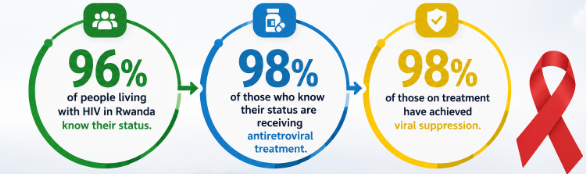
She said that 96 percent of people living with HIV in Rwanda know their status. Among those, 98 percent are receiving antiretroviral treatment, while 98 percent of those on treatment have achieved viral suppression.
“These are good numbers, we have many programs that helped us achieve this, including HIV testing, immediate treatment after diagnosis, prevention of mother-to-child transmission, circumcision programs, and PrEP services.” Murerwa said
These achievements have placed Rwanda among the top-performing countries in Africa in meeting UNAIDS targets.
Yet new infections continue to occur every year, particularly among young people.
The Hidden Barrier: Fear and Self-Stigmab
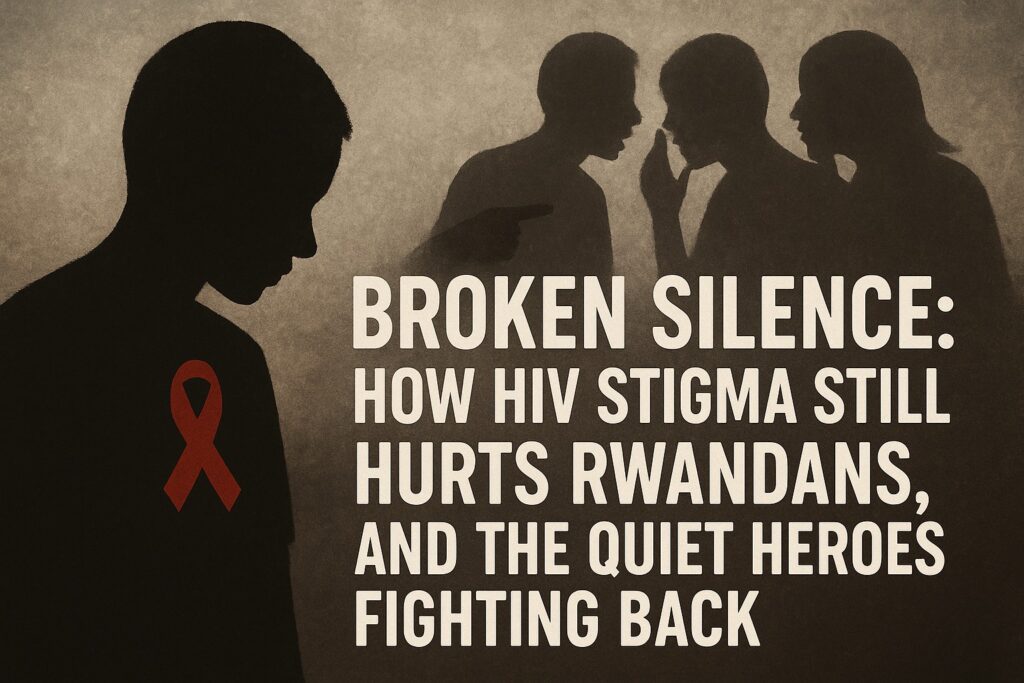
For many years, HIV was associated with shame, rejection, and fear. While treatment has improved Significantly the emotional burden remains.
Dr Deo Mutambuka, Executive Secretary of the Rwanda Network of People Living with HIV (RRP+), said many young people continue to struggle with stigma long before anyone else judges them.
“If you get tested and find out that you are HIV positive, the first person who judges you is often yourself,” Mutambuka said.
“You begin isolating yourself. You withdraw from others. You start listening to negative voices around you. Sometimes you even begin to hate yourself. That is why mental health support is so important in the HIV response.” He added
He explained that although public discrimination has reduced significantly over the years, self-stigma remains one of the biggest obstacles preventing people from seeking help.
Why Mental Health Matters
Experts say that HIV cannot be separated from mental health.
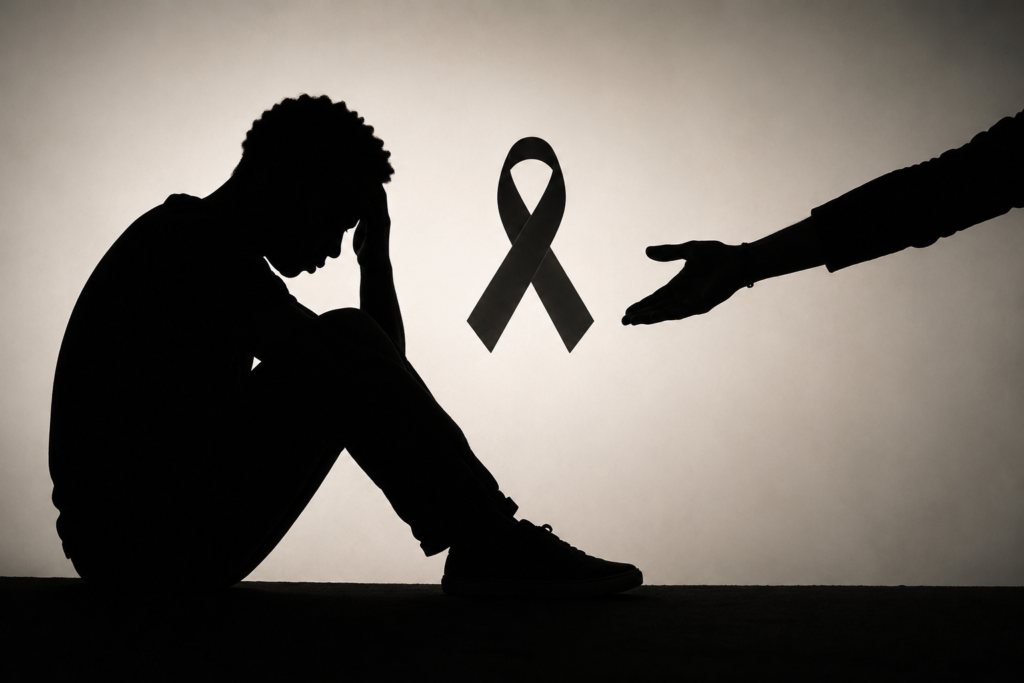
Young people living with HIV often face anxiety, depression, fear of rejection, and loneliness. Others who are at risk of HIV may avoid testing because they fear a positive result.
Murerwa said that many young people know where HIV services are available but still refuse to access them.
“They are afraid of being judged,” she explained.
“Some tell us, ‘What if I test positive?’ Others prefer not to know their status at all. The services are there, many of them are free, but fear keeps some young people away.” She said
Health workers believe that helping young people feel safe, supported and understood may be just as important as providing medicine.
Peer Pressure and Social Media
Another challenge is misinformation.
Although today’s youth have access to information through smartphones and social media, experts say myths about HIV still spread quickly.
Murerwa noted that many young people trust their friends more than healthcare professionals.
“We can spend hours teaching HIV prevention, but some young people still believe myths shared by their peers, Peer pressure is a major issue, and we need to continue fighting misinformation with accurate information,” she said.
Looking Ahead to 2030
Rwanda has committed to the global goal of ending AIDS as a public health threat by 2030.
However, experts say success will not come from medicine alone.
It will require stronger mental health services, safer schools, supportive communities, and more open conversations about HIV.
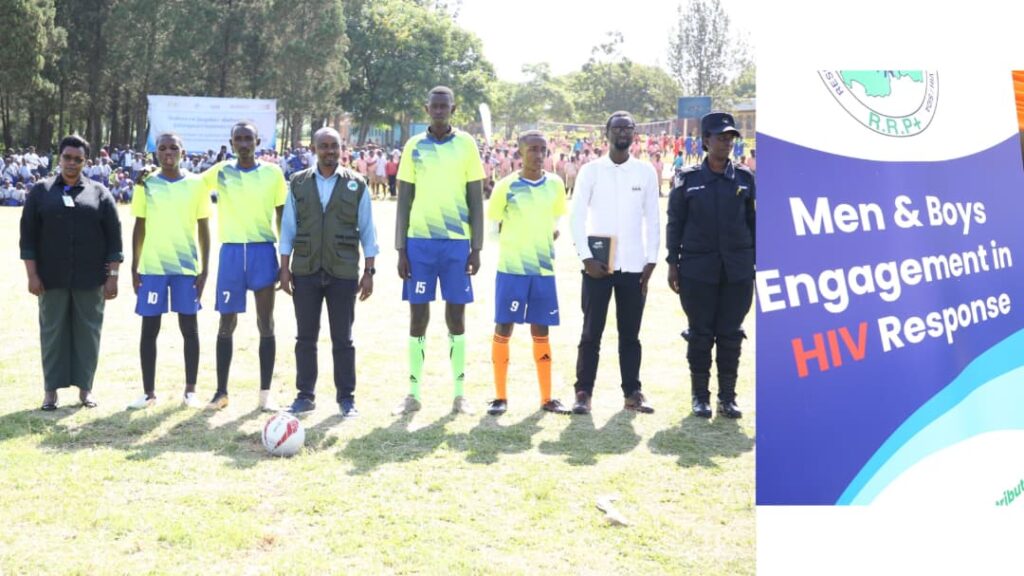
“The youth are the drivers of change,” Dr Deo said.
“We need them to understand that HIV still exists. We need them to know their status, access services early, and support one another. The fight against HIV is not only about treatment anymore. It is also about protecting the dignity, confidence and mental well-being of every young person.” He concluded
As Rwanda moves closer to its 2030 targets, Experts Believe That ending HIV is not only a medical challenge it is also a mental health challenge.