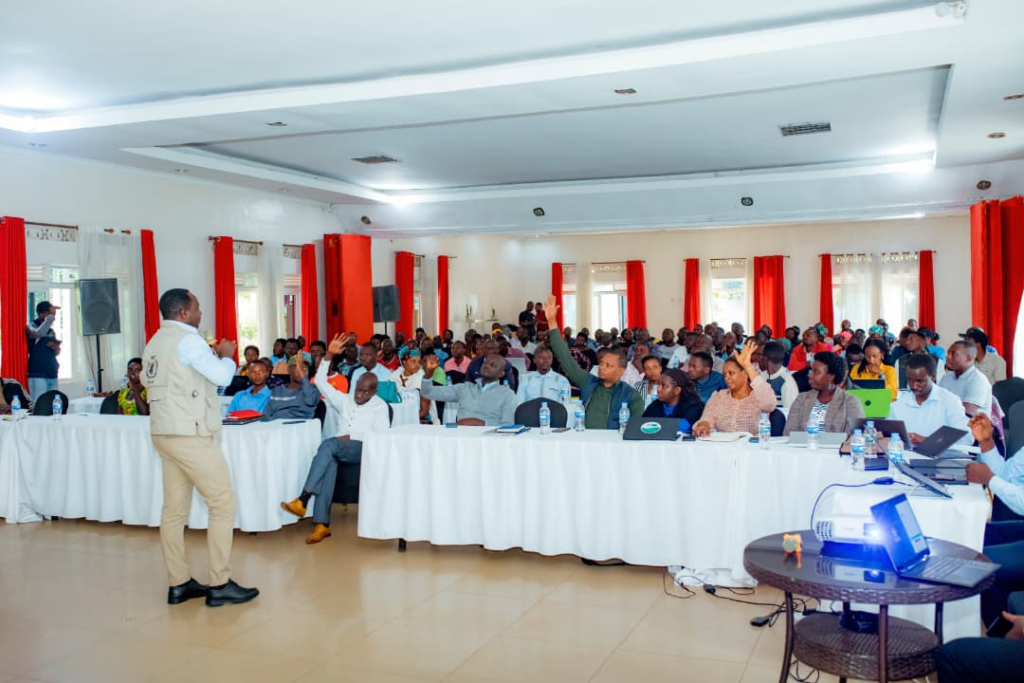
In Kayonza District, a cassava stem is changing lives. Farmers who once struggled with poor harvests and hunger are now multiplying improved cassava seeds and supplying them to other farmers across Rwanda, helping transform food security in drought-prone communities.
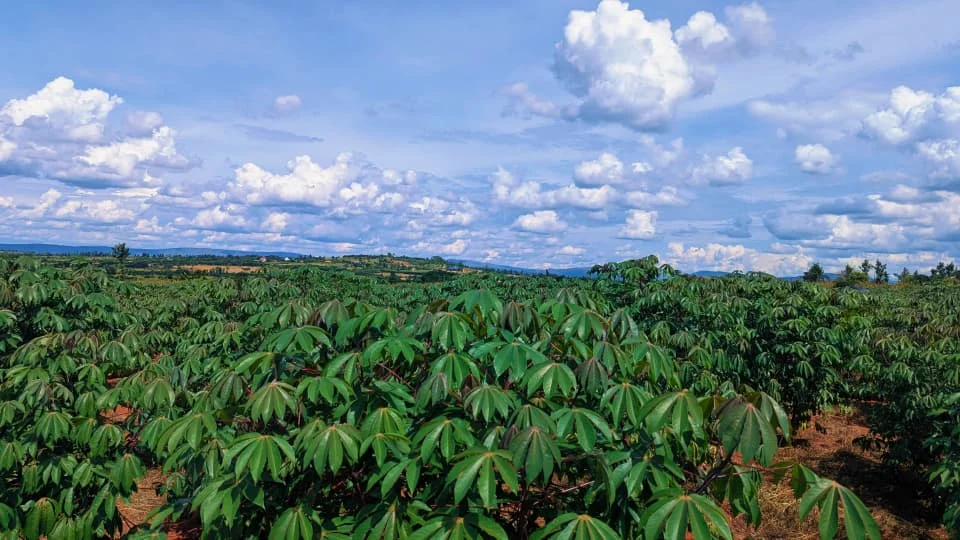
With support from the Rwanda Agriculture and Animal Resources Development Board (RAB) through the Kayonza Irrigation and Integrated Watershed Management Project phase two (KIIWP 2) , farmers are turning cassava seed multiplication into a profitable business. The improved cassava varieties are resistant to drought, grow faster, and produce high yields, with some farmers harvesting up to 70 kilograms from a single cassava plant.
The new system is not only increasing food production but also creating contracts, jobs, and new income for rural families.
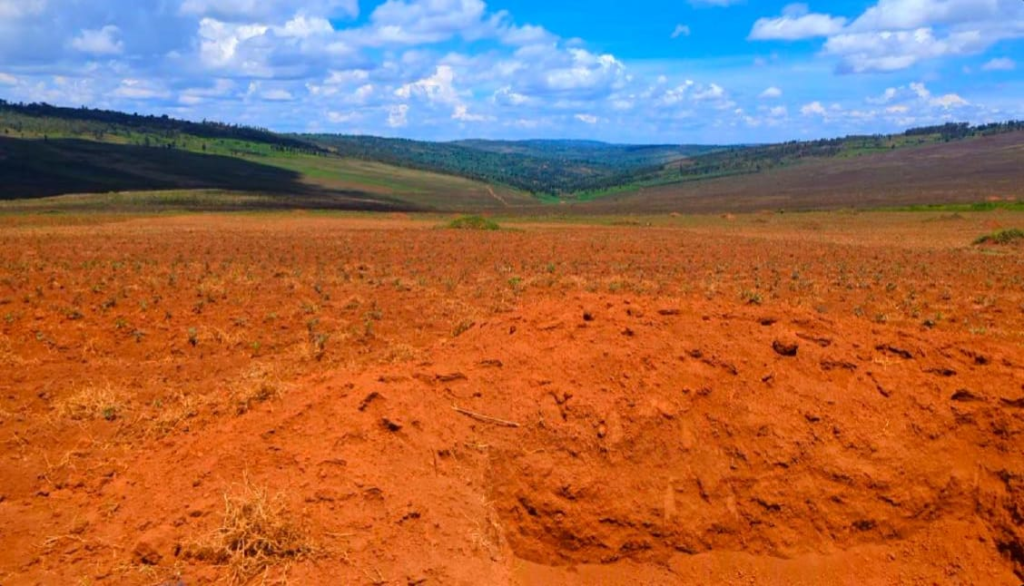
Before the introduction of improved cassava seeds, many farmers in Kayonza planted traditional varieties that produced low yields and were easily affected by disease and drought. Most farmers harvested only four to six tons per hectare and often made losses after spending money on farming.
Today, things are changing because of improved cassava seed multiplication.
At Nyawera site in Mwiri Sector, RAB through the KWIIP 2 project is multiplying improved cassava seeds before distributing them to farmers and cooperatives in different districts.
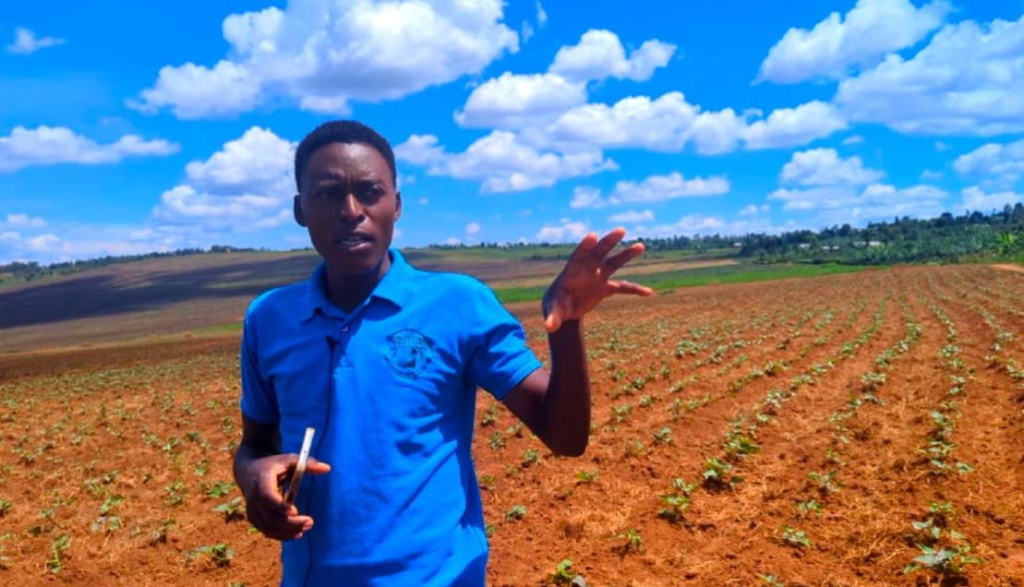
Dushimimana Anicety, a RAB officer at Ngoma Station, said the project is helping farmers access quality seeds that can survive harsh weather conditions.
“The improved cassava varieties were selected because they resist drought and produce high yields. Last season we harvested an average of 26 tons per hectare, and we distributed more than 100,000 cassava cuttings to farmers,” he said.
He explained that the seeds are first multiplied at research sites before being given to farmers, who continue multiplying them in their communities.
“Our goal is to make sure farmers get clean and healthy planting materials. When one farmer receives improved seeds and multiplies them, many other farmers benefit,” he said.
One of those farmers is Malidadi Jean de Dieu from Kayonza, who received improved cassava seeds from RAB through the KWIIP 2 project.
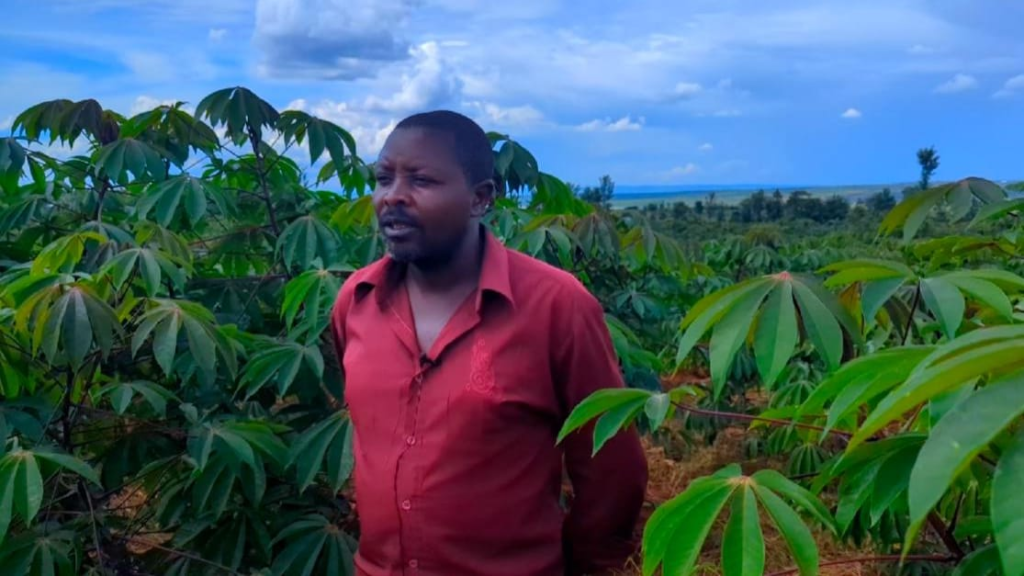
Today, he has become one of the farmers multiplying cassava seeds for others while also producing cassava for the market. Malidadi explained how improved seeds transformed his farming.
“Before, I harvested about six tons per hectare because we used local seeds and traditional farming methods. But after receiving improved cassava seeds and training from KWIIP, my production increased to more than 15 tons per hectare,” he said.
He said the project taught farmers how to prepare land, use manure, apply fertilizer, and plant cassava with proper spacing.
According to Malidadi, one cassava plant can now produce between 50 and 70 kilograms.
“Before, one cassava plant produced maybe 10 kilograms. But now, because of good seeds and modern farming methods, one plant can give us up to 70 kilograms. People are surprised when they see it,” he said.
The improved seeds also opened a new business opportunity for him.
Amalidadi said he now sells cassava cuttings to other farmers while supplying cassava roots to Kinazi Cassava Plant.
“After seeing the quality of our cassava, we got a contract with Kinazi. They buy cassava from us, and we also supply seeds to other farmers. Seed multiplication is now bringing us income and improving food security in our families,” he said.
Farmer cooperatives are also benefiting from seed multiplication.
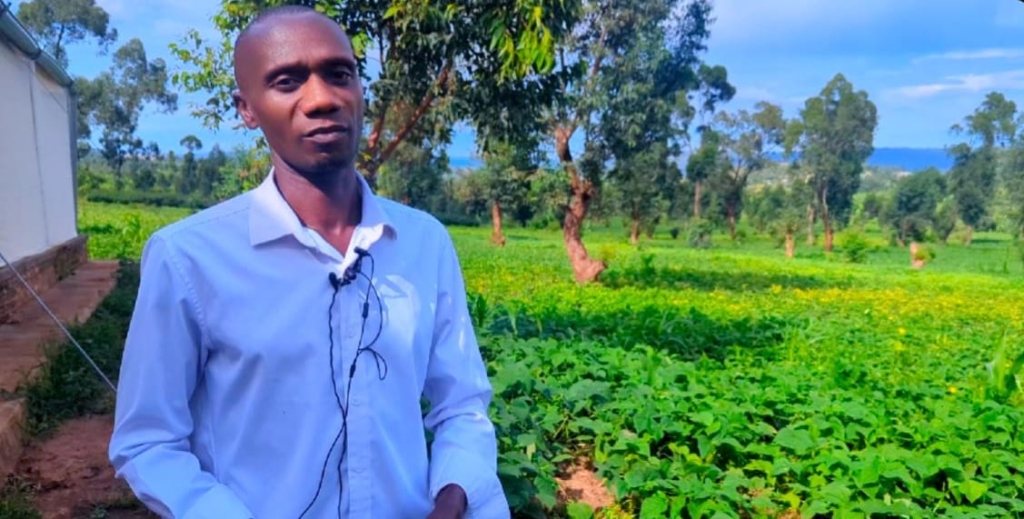
Ntagasanze Sylvester, president of COPOWAYIMU Cooperative, said farmers used to make losses because they planted poor-quality seeds and had no reliable market.
“Before, we farmed without modern knowledge and without markets. Middlemen bought our crops at very low prices, and farmers remained poor,” he said.
He said improved seeds and training changed everything.
“Now farmers understand the importance of using quality seeds. When you plant good seeds and follow modern farming methods, production increases and losses reduce,” he said.
According to KWIIP 2 officials, seed multiplication has become one of the most important solutions for food security in drought-prone areas.
Sibomana Jean Claude, Agricultural Extension Specialist with KWIIP 2, said the project has already distributed more than 2.5 million cassava cuttings in Kayonza.
“We first tested different cassava varieties to see which ones survive in Kayonza’s dry conditions. After selecting the best varieties, we started multiplying them with cooperatives and farmers,” he said.
He added that the project works with 73 cooperatives and has trained more than 14,700 farmers in modern agriculture.
KWIIP 2 Monitoring and Evaluation Specialist Faida Olivier said seed multiplication is helping Rwanda improve food production while fighting climate change.
“When farmers have improved seeds, they harvest more food even during dry seasons. This helps families fight hunger and earn more income,” she said.
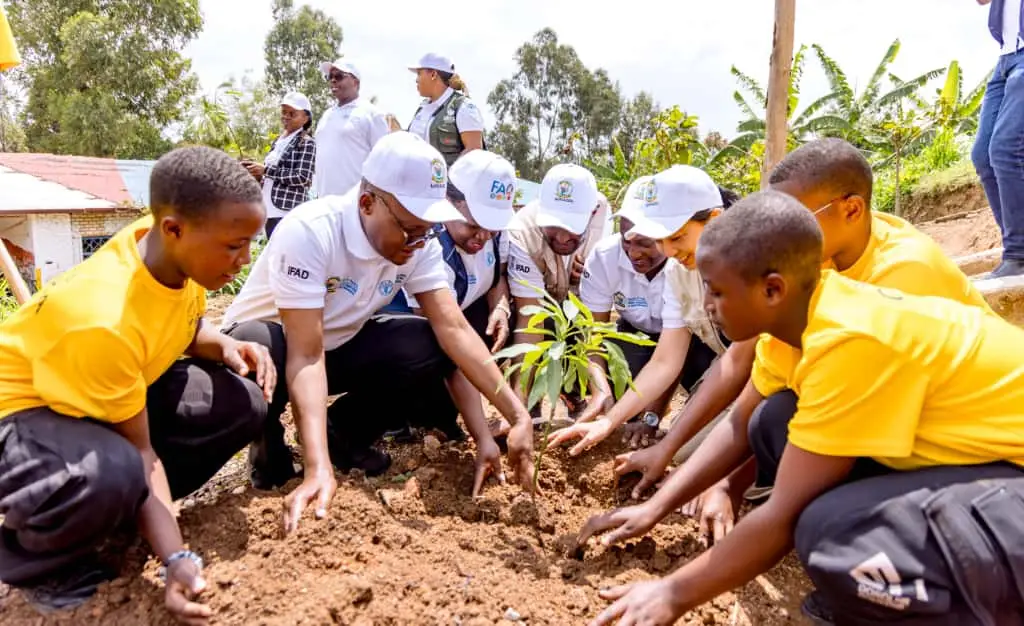
The project has also invested in irrigation, terraces, and farmer training schools to help farmers continue producing throughout the year.
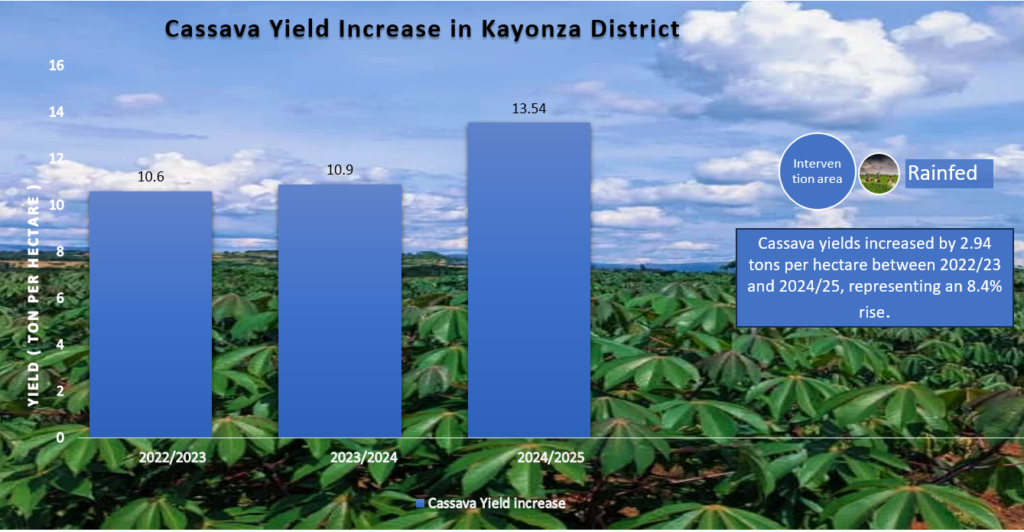
Data from KWIIP 2 and RAB shows that cassava production in Kayonza District has continued to increase because of improved seed multiplication and modern farming methods. Cassava yields rose from 10.6 tons per hectare in the 2022/2023 farming season to 13.54 tons per hectare in 2024/2025. This represents an increase of 2.94 tons per hectare, or 8.4 percent, within three seasons. Agriculture experts say the increase is linked to the use of improved cassava varieties that resist drought, better farming practices, and farmer training provided through KWIIP 2 and RAB programs. The rise in production is helping improve food security and increasing farmers’ incomes in one of Rwanda’s drought-prone districts.
The agricultural transformation taking place in Kayonza through the KWIIP 2 project is supported by the Government of Rwanda in partnership with the International Fund for Agricultural Development (IFAD). The project is implemented by the Ministry of Agriculture and Animal Resources through the Rwanda Agriculture and Animal Resources Development Board (RAB).