
More than 1,000 public servants sanctioned in four years as NPSC warns poor ethics could slow Vision 2050 targets
The National Public Service Commission (NPSC) has raised concern over increasing cases of misconduct in Rwanda’s public service after new figures showed that 31% of disciplined public workers were dismissed from their jobs between 2022 and 2026.
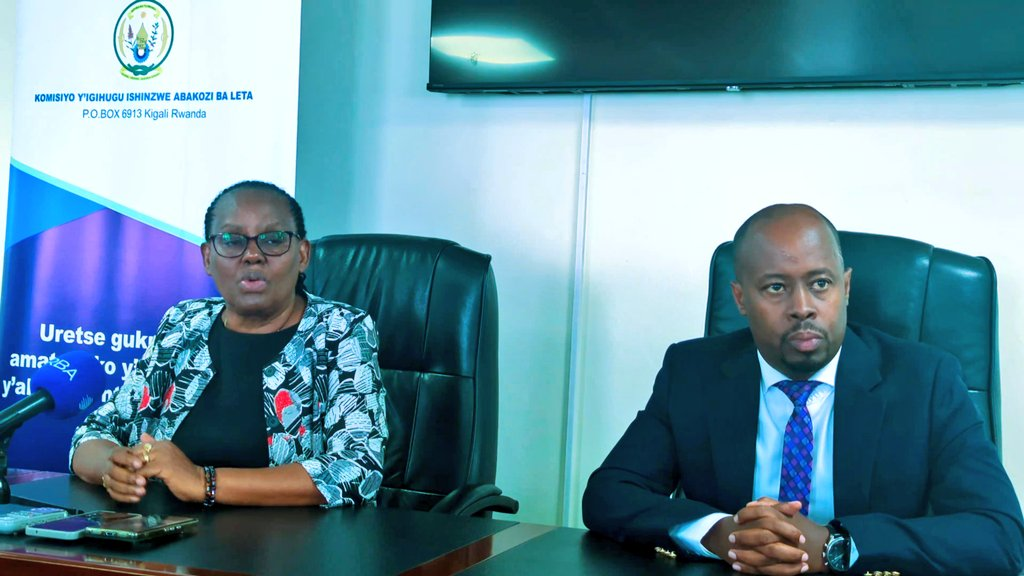
The figures were presented during the Third Annual National Conference on Professional Values and Ethics in Public Service held on May 13, 2026, at the Ministry of Local Government. The conference brought together leaders and public servants from different institutions to discuss professionalism, accountability, and service delivery in Rwanda’s public institutions.
According to data shared by the NPSC, 1,056 public servants were disciplined over the last four years, while 329 were dismissed, representing 31.1% of all sanctioned employees. The most common offenses included poor service delivery, abandoning work, theft, fraud, use of forged documents, and misconduct.
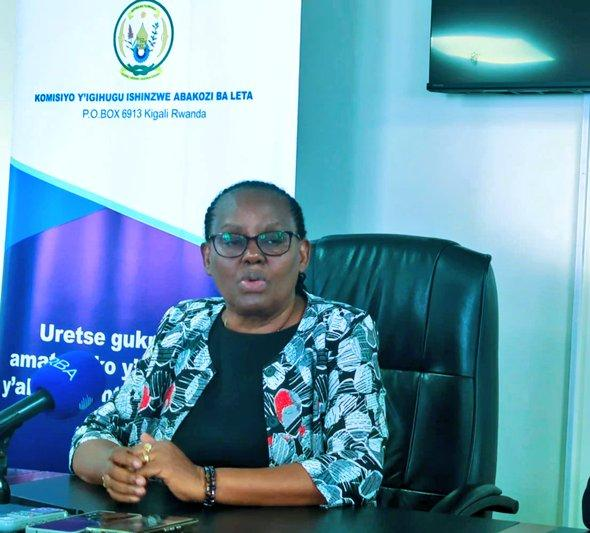
Angelina Muganza, Executive Secretary of the National Public Service Commission, said the conference aimed to discuss the practical implementation of professional ethics and identify challenges affecting service delivery in the public sector.
“We believe public servants are the foundation of government service delivery. If employees fail to perform professionally, the country loses resources, projects delay, and citizens lose trust in institutions,” she said.

Statistics presented at the conference show that disciplinary cases have remained high over the years. In 2022/2023, 257 employees were punished and 58 dismissed. In 2023/2024, 182 employees were disciplined while 73 lost their jobs. In 2024/2025, dismissals increased sharply to 96 workers, representing 37.3% of all sanctioned staff that year. In the first three quarters of 2025/2026 alone, 339 employees had already been punished and 102 dismissed.
Muganza warned that poor ethics and lack of accountability remain major obstacles to achieving Rwanda’s Vision 2050 goals.
The NPSC said Rwanda has made progress in promoting ethics in public service. Since February 2022, more than 220 ethics awareness sessions have been conducted in different government institutions, while 38 training sessions were provided to newly appointed leaders between 2024 and 2025.
The conference also heard that many public employees still lack professional values despite having strong academic qualifications.
“You can find an employee with a degree and high technical skills but without good behavior. Such workers damage service delivery and slow national programs. That is why ethics training and professional values must become part of employee induction and continuous learning,” Muganza added.
The Rwanda Standards Board (RSB), which also attended the conference, revealed that Rwanda’s public service delivery rate currently stands at 77%, below the NST2 target of 90%. Officials said the country still has a 13% performance gap to close.
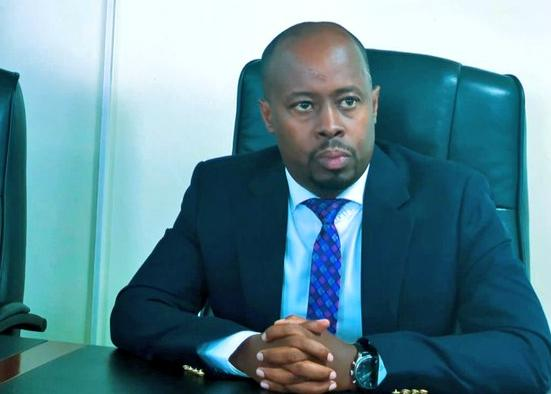
Dr. Raymond Murenzi, Director General of the Rwanda Standards Board (RSB), called for stronger use of technology, updated service charters, and clearer Standard Operating Procedures (SOPs) to improve efficiency in government institutions.
“Citizens should receive services faster and more efficiently. Institutions must review old systems and adapt to technology so that people leave satisfied,” Dr. Murenzi said.
During the conference, officials also responded to concerns about whether low salaries contribute to poor behavior among public servants. Muganza argued that misconduct is more linked to personal values and weak supervision than pay levels.
“Salary alone does not determine performance. Good leadership, accountability, and personal ethics are equally important. Even people with high salaries sometimes engage in corruption or provide poor services,” she said.

The conference ended with calls for stronger leadership, continuous ethics training, and improved accountability systems across public institutions.
Officials stressed that public servants must remember they work for citizens and should put public interest before personal gain.
“Public servants are servants of the people. Citizens pay taxes that fund government salaries, and they deserve quality services in return,” an official said.
The conference was organized under the government’s NST2 priority area on “transformational governance,” which focuses on reforming public service institutions and improving efficiency in both central and local government institutions.
The event also followed the Presidential Order No. 021/01 of February 24, 2021, which established professional ethics standards for public servants in Rwanda. The law gives the NPSC the responsibility to promote professionalism, integrity, and ethical conduct across public institutions.