Government-backed insurance scheme now covers greenhouse structures, crops and produce during transport
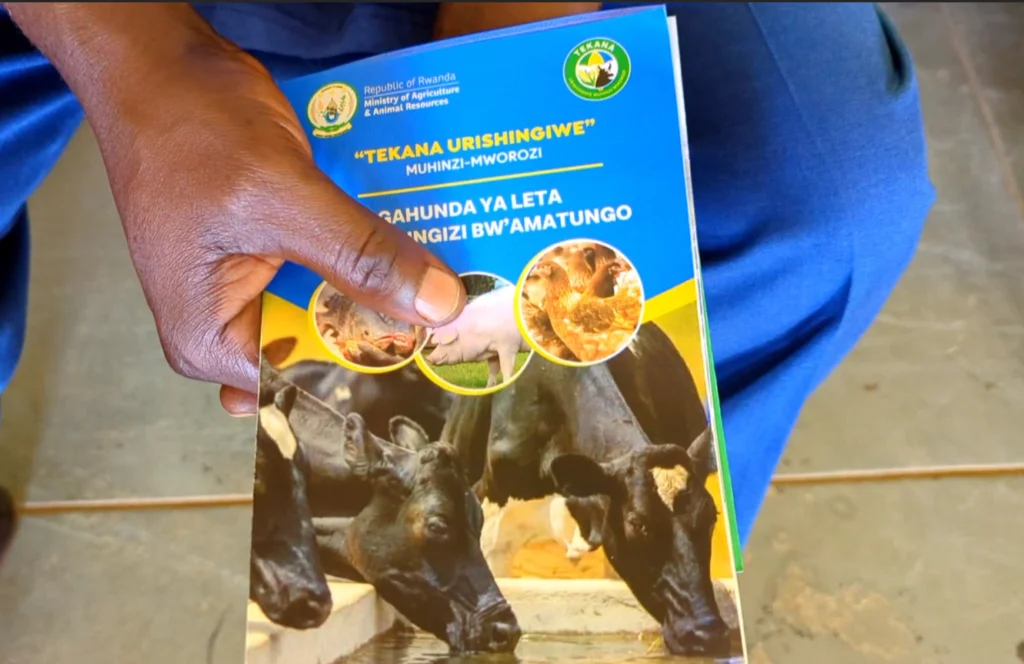
Greenhouse farmers in Karongi District have welcomed the government’s decision to expand the Tekana Urishingiwe Muhinzi Mworozi agricultural insurance scheme to greenhouse farming, saying the move will help protect farmers investing heavily in modern agriculture.
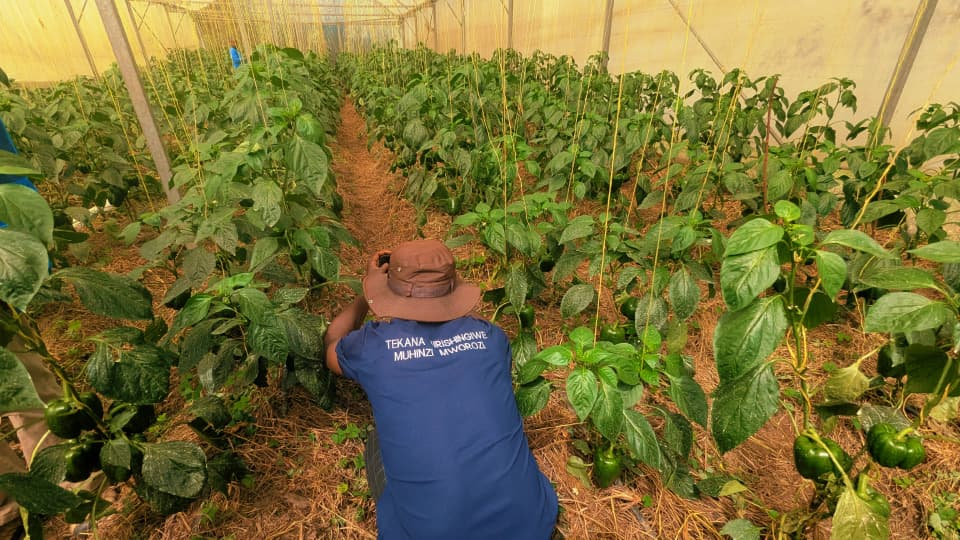
The expanded insurance coverage comes at a time when many farmers are increasingly turning to greenhouse farming to improve production but continue facing risks linked to strong winds, excessive heat and unpredictable weather conditions caused by climate change.
Farmers say greenhouse farming remains risky without insurance
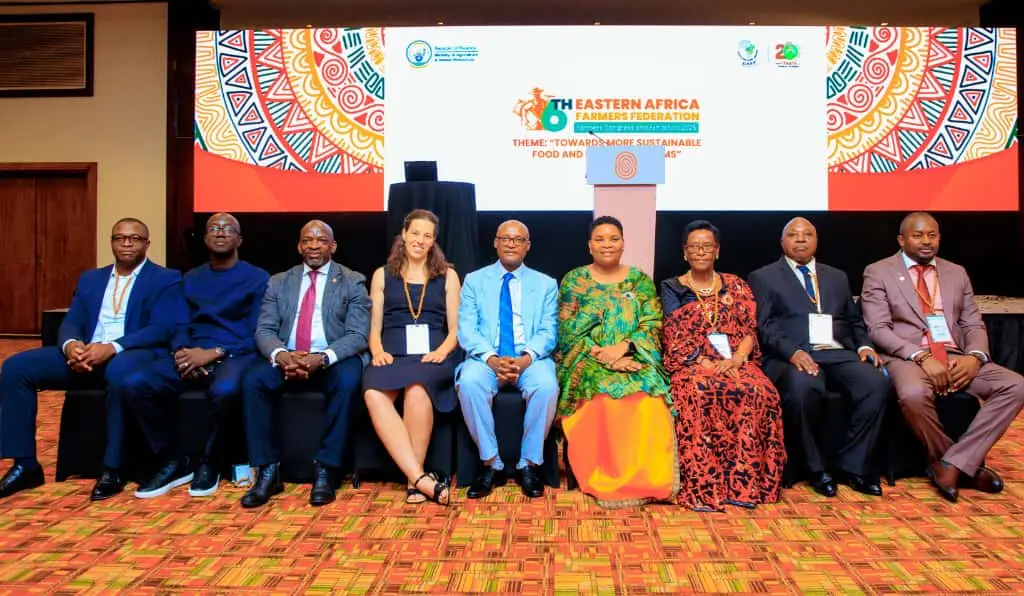
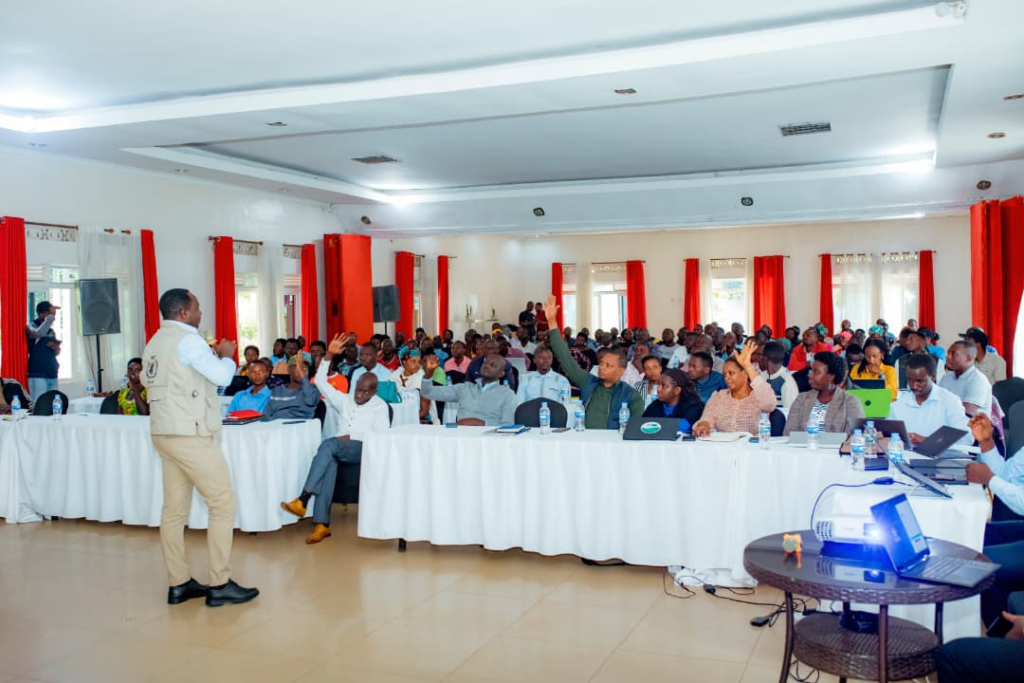
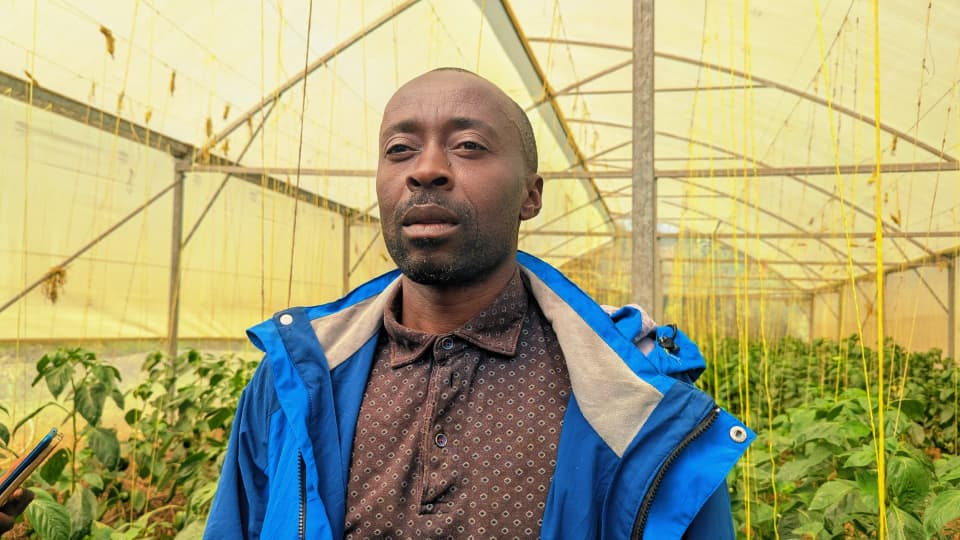
During an awareness campaign on agricultural insurance in Western Province, greenhouse farmer Kubwimana Jean Paul from Rubengera Sector said the new coverage gives farmers confidence to continue investing in greenhouse agriculture.
“When we first heard that Tekana was going to insure greenhouse farming, we became very happy. In the past, we farmed with fear because greenhouse farming requires a lot of money. One disaster could destroy everything you invested,” he said.
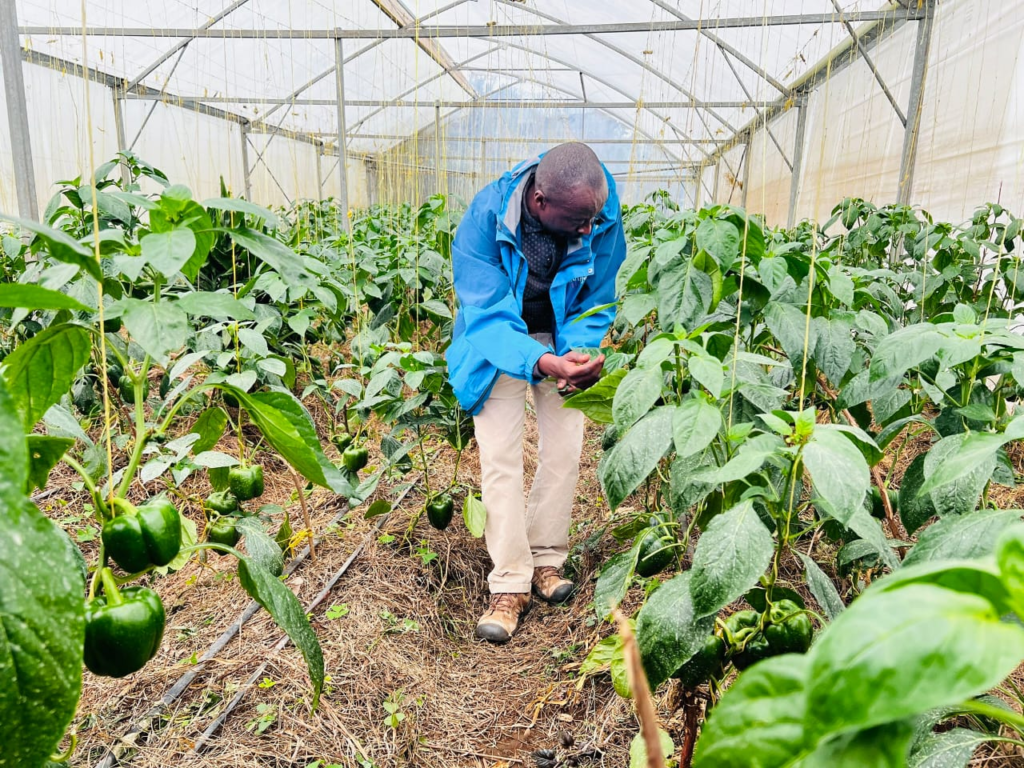
Kubwimana owns two greenhouses where he grows tomatoes, cucumbers and peppers. Each greenhouse measures 30 metres long and 8 metres wide.
According to him, greenhouse farming produces much higher yields compared to open-field farming.
“When you grow tomatoes outside on land equal to one greenhouse, you can harvest around 500 kilograms. But inside a greenhouse, we harvest up to three tonnes of tomatoes, four tonnes of cucumbers and two tonnes of peppers,” he explained.
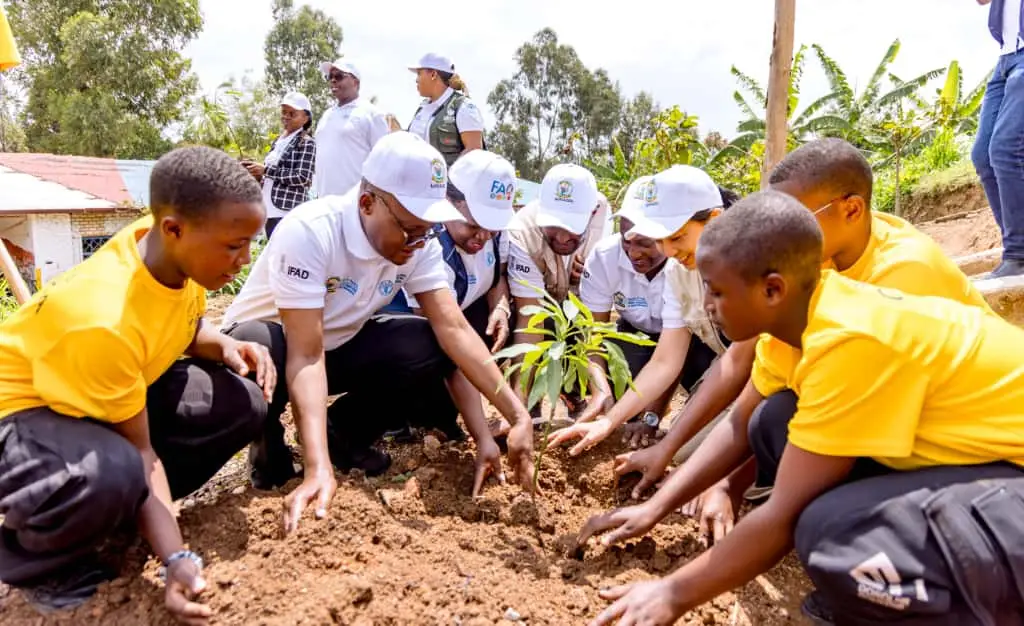
Habimana Jean Paul also thanked the Sustainable Agricultural Intensification for Improved Livelihoods, Food Security and Nutrition Project (SAIP) for supporting greenhouse farming in Karongi District, saying the project helped farmers move from traditional farming to modern agriculture.
“We are thankful to SAIP because the greenhouse support changed our farming and improved our lives, Before, we practiced traditional farming with low harvests, but today greenhouse farming is helping us increase production and earn better income. The support also gave us confidence to invest more in modern agriculture ” he said.
Despite the higher production, greenhouse farming also exposes farmers to major financial risks.
Kubwimana recalled a period when strong winds destroyed his greenhouse shortly after it had been installed.
“The wind destroyed the plastic sheets and damaged the structure. At that time, I became very worried because greenhouse farming is expensive and I did not know how I would recover,” he said.
He said the repairs cost about Frw4.8 million.
Tekana expands insurance coverage for greenhouse farming
Before the introduction of Tekana coverage for greenhouse farming, insurance only protected greenhouse structures such as plastic covers, metal frames and shade nets.
However, farmers say the new arrangement is broader and more reassuring.
“Today Tekana is helping us much more. It now insures the greenhouse itself, the crops inside and even the produce during transportation to the market,” Kubwimana said.
He explained that greenhouse farmers often invest hundreds of thousands of francs in one production cycle, making losses very costly when disasters happen.
“If excessive heat enters the greenhouse, crops dry very quickly. You can lose produce worth between Frw2 million and Frw4 million within a short period,” he said.
Kubwimana said government subsidies under Tekana are also making insurance more affordable for farmers.
“In the past we paid the full insurance cost ourselves and many farmers failed to continue because it was expensive. Now the government support is helping more people join. We pay 60 percent and the government adds 40 percent,” he said.
Government says greenhouse farming needs stronger protection
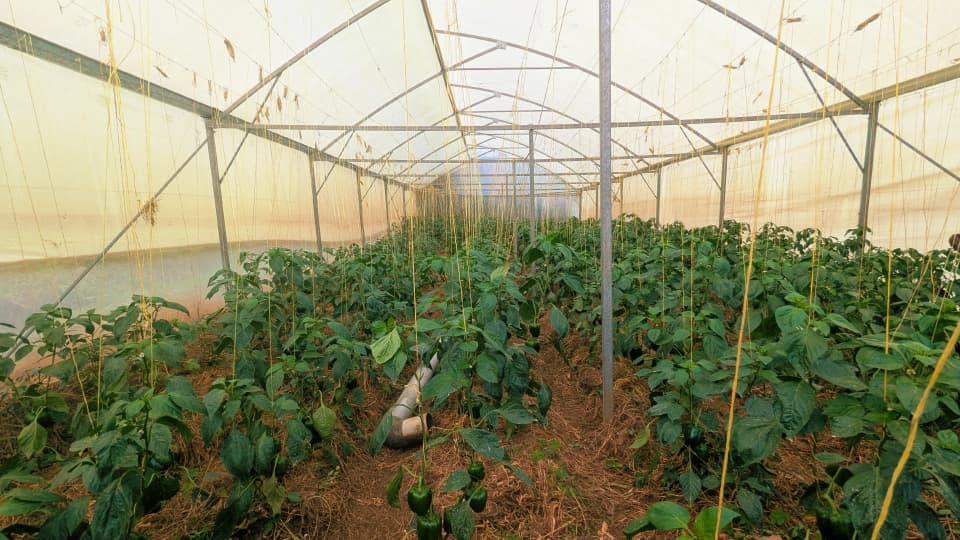
Across Western Province, farmers say the new greenhouse insurance coverage is giving them confidence to invest more in modern agriculture and improve production despite growing climate challenges.
Recently, the government introduced insurance for greenhouse farming. The insurance covers crops grown inside greenhouses, greenhouse structures, irrigation equipment and transportation of produce from farms to markets.
Joseph Museruka, Head of the National Agricultural Insurance Scheme under Tekana, said greenhouse farming was added to the insurance scheme after the government realized that farmers investing in greenhouse agriculture face high financial risks.
“Greenhouse farming requires a lot of investment and farmers can face serious losses when disasters happen. That is why we introduced greenhouse insurance to protect both the farmer and the investment,” Museruka said.

Museruka explained that the new insurance coverage now protects greenhouse structures, crops grown inside the greenhouse, irrigation equipment and produce during transportation to markets.
“In greenhouse farming, we are now insuring the crops inside the greenhouse, the greenhouse structure itself and all important equipment used inside. We are also covering produce from the farm up to the market because losses can also happen during transportation,” he said.
He added that the government wants more greenhouse farmers to join the insurance scheme because greenhouse farming involves high investment costs.
“We encourage farmers doing greenhouse farming to take insurance because they invest a lot of money. If disasters happen, insurance helps them recover quickly and continue farming,” he said.
Tekana Urishingiwe Muhinzi Mworozi supported by government and partners
Tekana insurance is a Government of Rwanda program implemented by the Ministry of Agriculture and Animal Resources (MINAGRI) through the Rwanda Agriculture and Animal Resources Development Board (RAB)’s Single Project Implementation Unit (SPIU).
The program is implemented in partnership with insurance companies including BK Insurance, SONARWA, Radiant Yacu and Old Mutual.
It is also supported through the Commercialization and De-Risking for Agricultural Transformation (CDAT) Project funded by the International Fund for Agricultural Development (IFAD), the World Bank and the Korea International Cooperation Agency (KOICA).
Officials say the expansion of insurance to greenhouse farming is part of broader efforts to strengthen climate resilience in agriculture and encourage farmers to adopt modern farming technologies without fear of losing their investments.