Agricultural insurance gains attention as climate risks continues affecting farmers in Western Rwanda
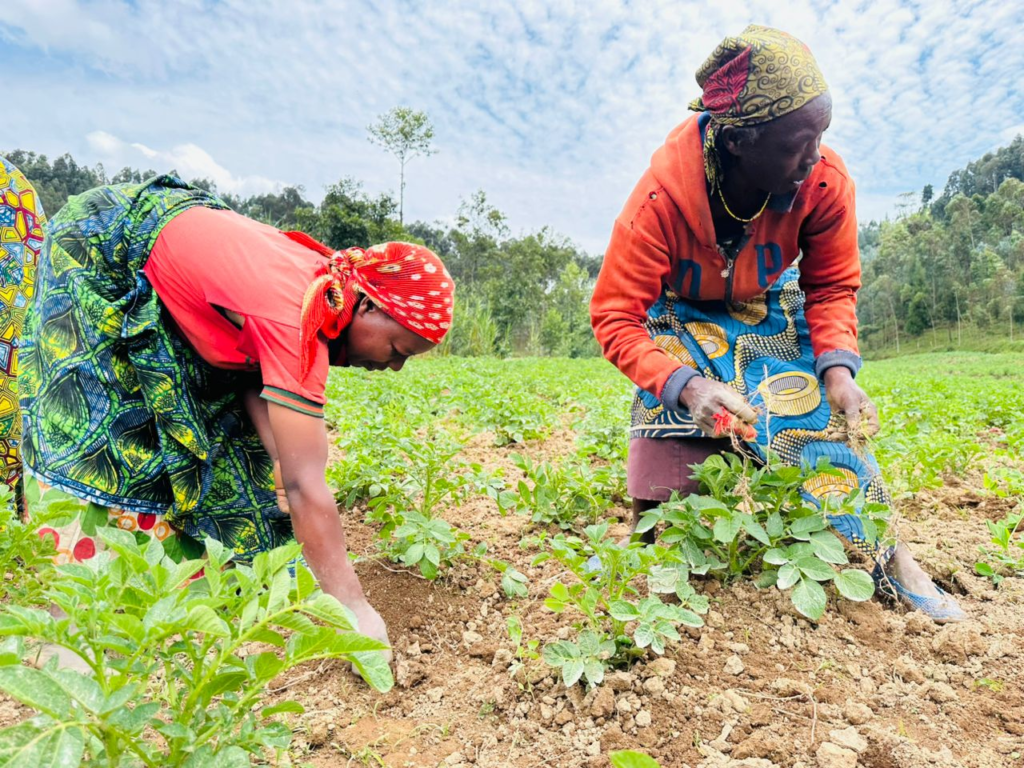
Potato farmers in Rutsiro District are increasingly turning to agricultural insurance after receiving compensation for losses caused by drought under the government-supported Tekana Urishingiwe Muhinzi Mworozi scheme.
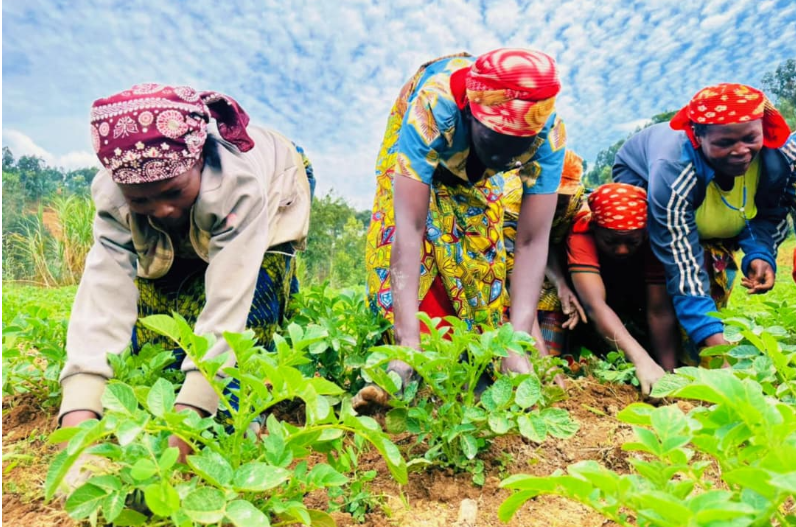
Farmers and local leaders say the insurance program is helping reduce the impact of climate-related disasters that continue to affect agricultural production across the district.
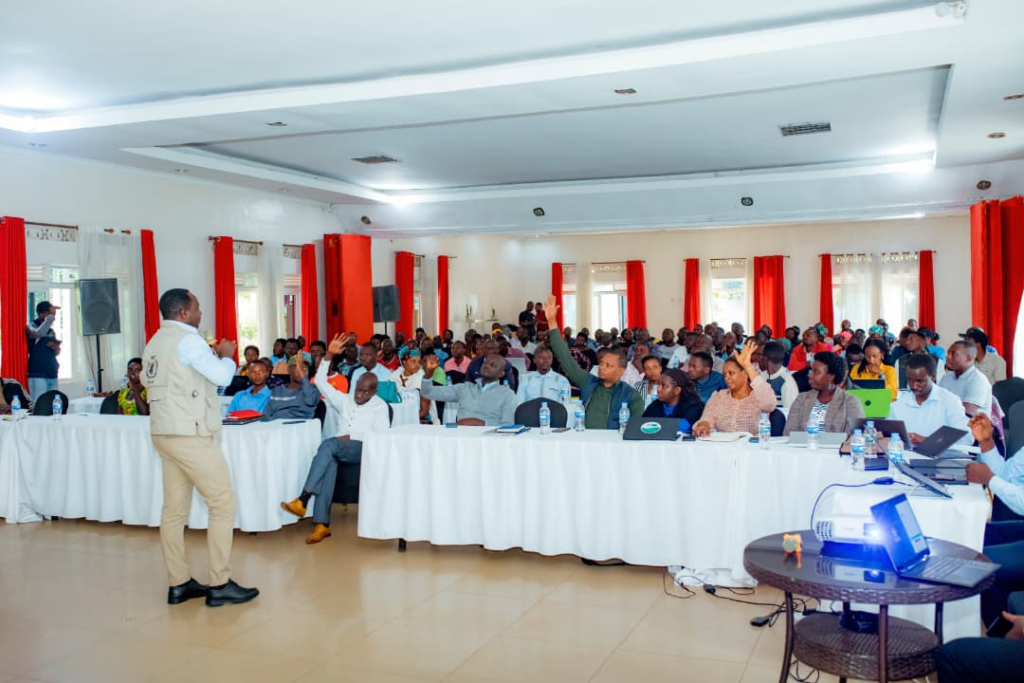
The issue was highlighted during the ongoing Tekana awareness campaign in Western Province aimed at encouraging more farmers and livestock keepers to insure their crops and animals against disasters such as floods, drought, strong winds and diseases.
One of the beneficiaries is Kora Neza Rwambeho Cooperative in Kigeyo Sector, which grows potatoes and maize in Rwambeho marshland.
The cooperative, which has 84 members, said it decided to join the Tekana insurance scheme after repeatedly facing losses caused by drought and floods.
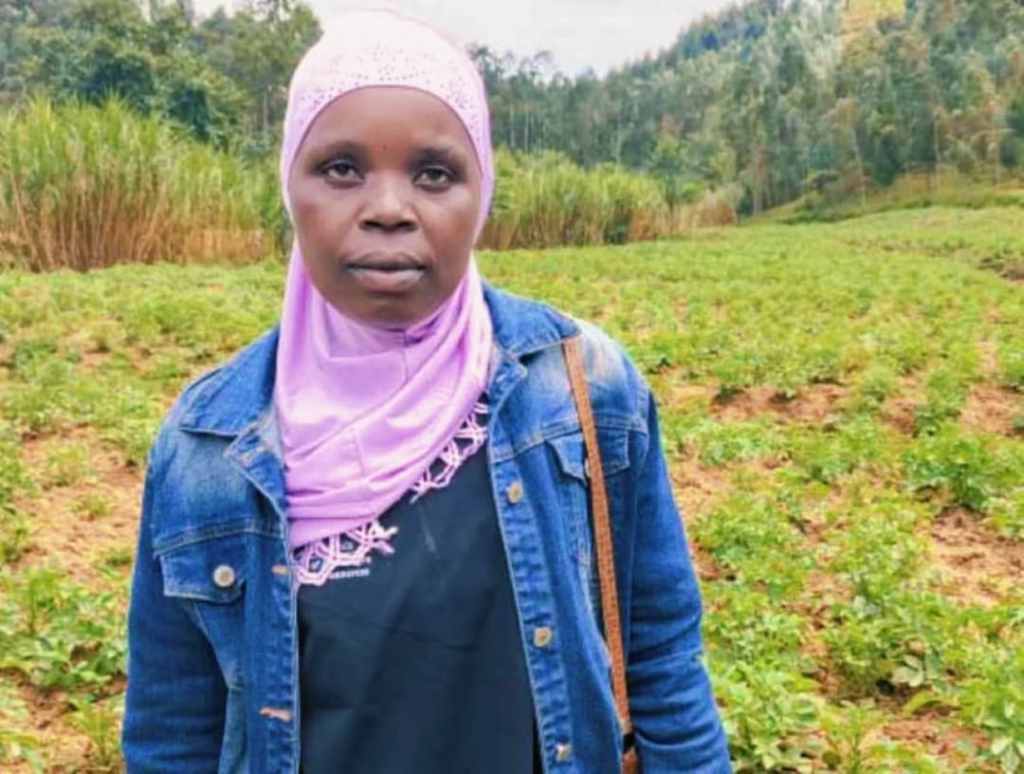
Mutuyimana Florentine, vice president of the cooperative, said farmers initially started by insuring maize grown on one and a half hectares.
“We first insured maize and paid around Frw150,000 for insurance. After drought damaged part of the harvest, we later received more than Frw300,000 in compensation,” she said.
After seeing the benefits, the cooperative expanded insurance coverage to potato farming.
During the last farming season, the cooperative insured 6.5 hectares of potatoes and paid Frw755,320 in insurance premiums.
However, drought later affected almost the entire marshland before harvest.
“The sun became too strong and potatoes started drying before harvest time, Agronomists visited our fields together with insurance officials. They assessed the damage and later we received more than Frw1 million in compensation.” Florentine said.
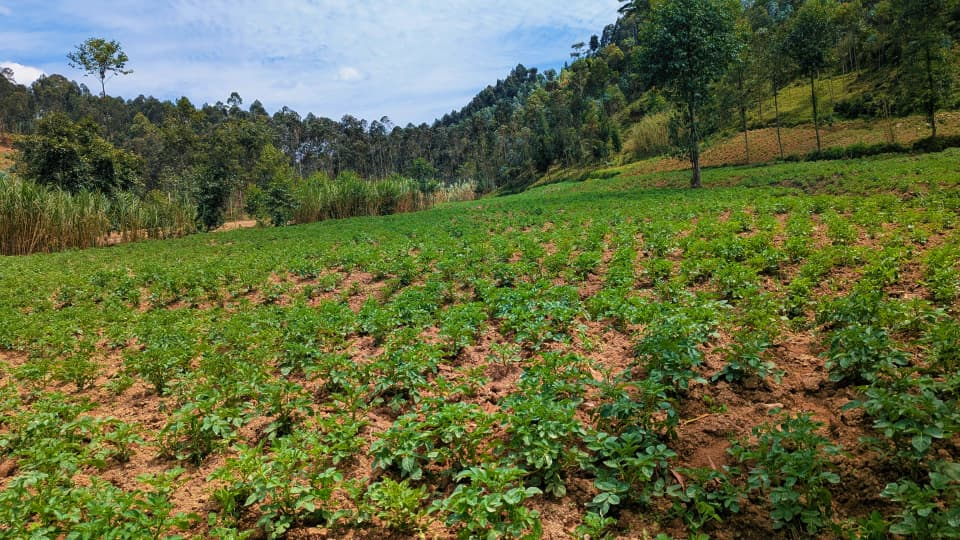
According to the cooperative, about 5.5 hectares out of the 6.5 hectares insured were affected by drought.
Florentine said the compensation helped farmers continue agricultural activities without facing major financial setbacks.
“In the past, when farmers lost harvests, many sold goats or household property to return to farming, But today compensation helps us continue farming without selling family assets ” she said.
She added that some members used compensation money to invest in livestock and improve their farming activities.
The cooperative also says agricultural training provided alongside the insurance program has helped increase potato production.
“In the past we harvested one or two bags of potatoes. Today some farmers harvest up to five bags because we learned modern farming methods, proper use of fertilizers and soil conservation techniques,” Florentine explained.
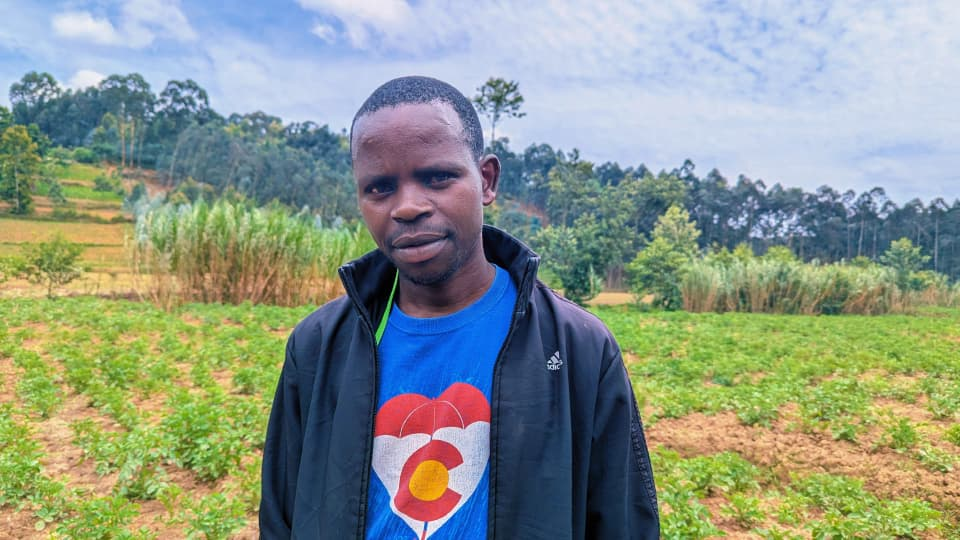
Habimana Johnson, president of the cooperative, said farmers are now more confident because disasters no longer automatically lead to total losses.
“Today farmers cultivate potatoes knowing they can recover if disasters happen,” he said.
Agronomist Habimana Vincent from Kigeyo Sector said climate risks remain one of the biggest challenges affecting farmers in Rutsiro District.
“This marshland is close to the river and surrounded by hills, when there is heavy rain, floods damage crops. During dry periods, drought also affects production. Strong winds also destroy maize plantations” he said.
He said farmers in the area have already completed six to seven farming seasons under insurance protection.
“Every season farmer ensures all cultivated land, When disasters happen, insurance companies visit farms, assess losses and compensate farmers according to the level of damage” he said.
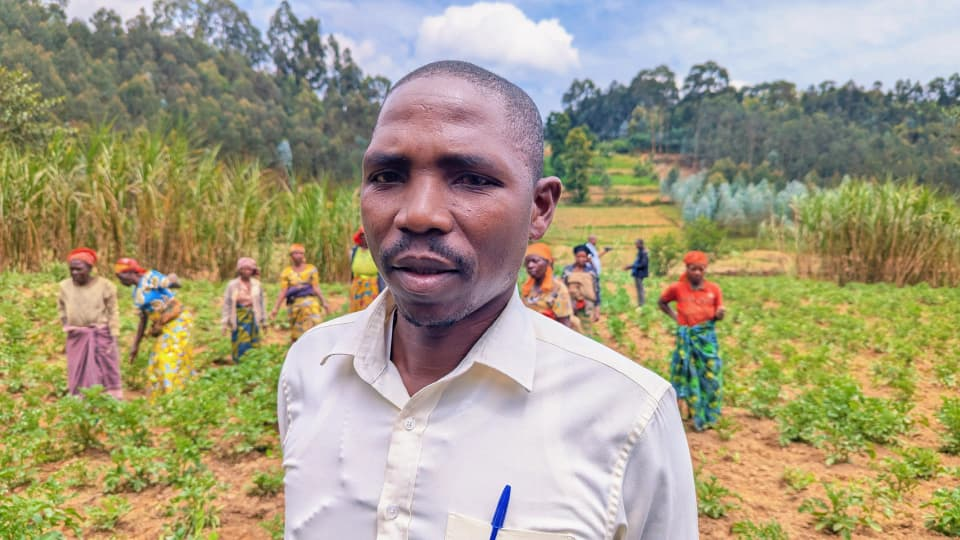
Vincent said awareness about agricultural insurance is improving, although participation is still low in some communities.
“Many farmers only understand the importance of insurance after seeing neighbors who were compensated,” he said.
He added that insurance is also encouraging farmers to invest more in modern agriculture because they know they can recover after disasters.

Vice Mayor in charge of Economic Development in Rutsiro District, Uwizeyimana Emmanuel, said climate-related disasters continue to affect agriculture across the district.
“Rutsiro is a mountainous district with soft soils, making it vulnerable to floods, landslides and drought, we also experience hailstorms and heavy rains that continue to destroy crops, including potatoes” he said.
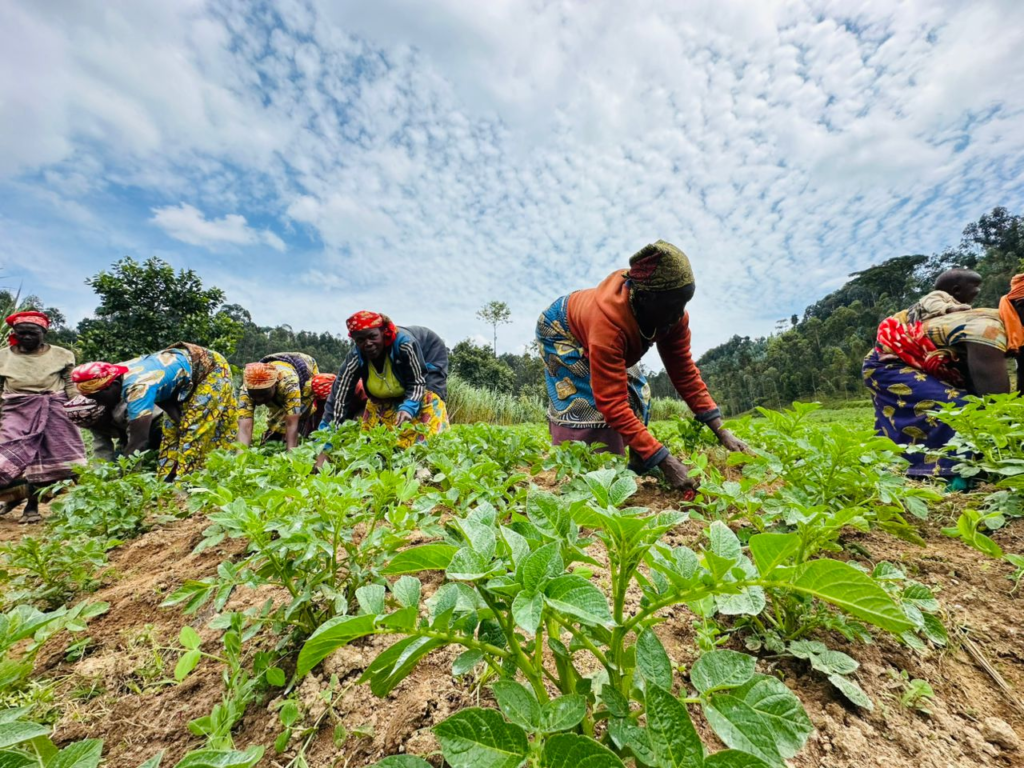
The district aims to increase insured farmland to between 1,000 and 2,000 hectares in the coming years while livestock insurance is expected to rise to at least 6,000 animals annually.
Joseph Museruka, the head of the national agricultural insurance scheme, said insurance coverage for both crops and livestock is still low compared to the country’s targets.
“Currently, insurance coverage for crops and livestock is around six percent, our target is that by 2029, at least 30 percent of livestock under the Tekana program should be insured. This includes cows, pigs, chickens and fish farming.” he said.

He added that the government also wants at least 30 percent of cultivated farmland under selected crops to be protected through agricultural insurance.
“We should not go below 30 percent of insured farmland and livestock coverage because climate risks continue to affect farmers across the country,” Museruka said.
Tekana insurance is a Government of Rwanda program implemented by MINAGRI through RAB’s Single Project Implementation Unit (SPIU), in partnership with insurance companies including BK Insurance, SONARWA, Radiant Yacu and Old Mutual.
The program is also supported through the Commercialization and De-Risking for Agricultural Transformation (CDAT) Project funded by the International Fund for Agricultural Development (IFAD), the World Bank and the Korea International Cooperation Agency (KOICA).
According to government data, more than 200,000 farmers and livestock keepers benefit from subsidized insurance every year under the Tekana scheme.
Since the program started in 2019, farmers across Rwanda have already received more than Rwf9.3 billion in compensation after losses caused by floods, drought, strong winds and animal diseases.
The government covers 40 percent of the insurance cost while farmers pay the remaining 60 percent.
Officials say increasing awareness about agricultural insurance remains important as climate change continues to affect farming activities across the country.