In the green hills of Gicumbi District, something powerful has been happening for the last six years. What started as a response to climate change has grown into a story of hope, dignity, jobs, and restored land. As the Green Gicumbi Project approaches its official end, leaders, partners, and communities have come together to reflect on what has been achieved and to commit to protecting these gains for generations to come 🌍✨.
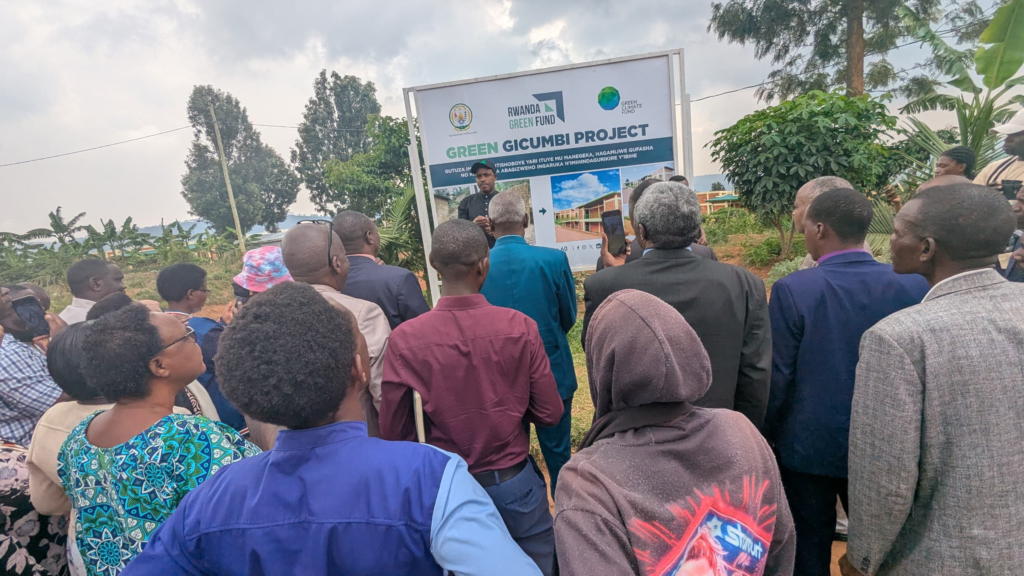
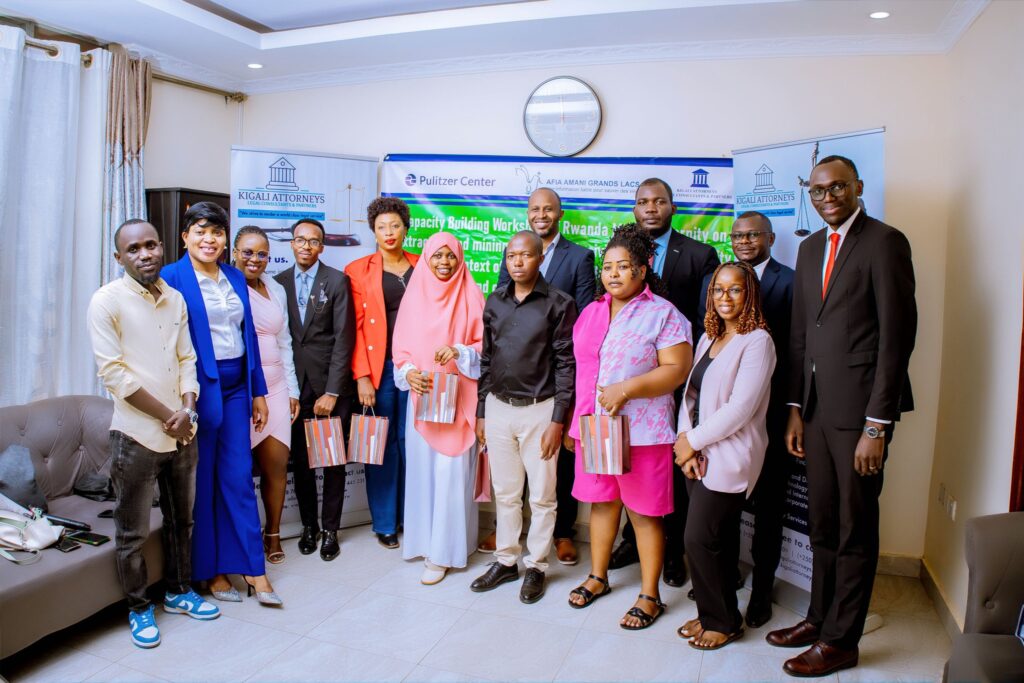
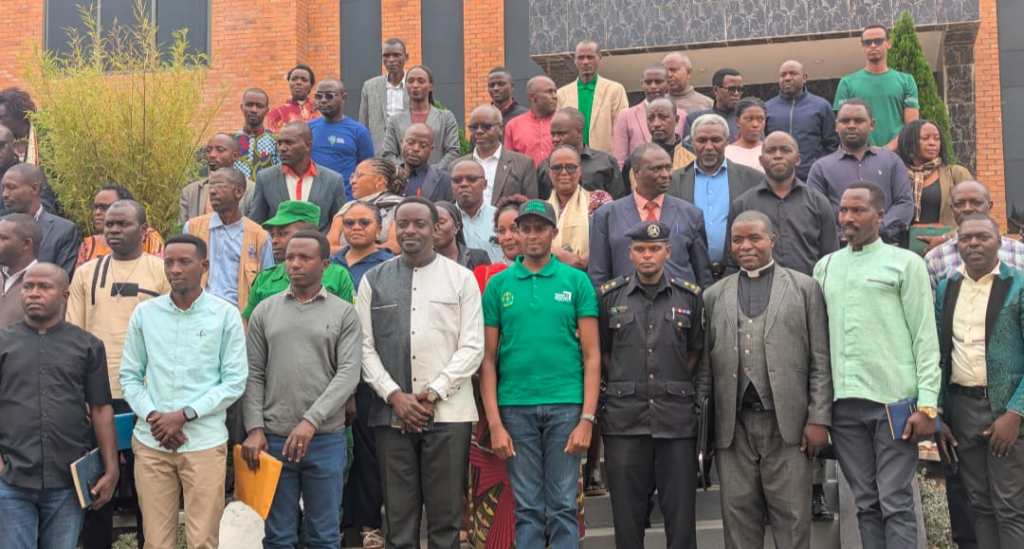
On January 27, 2026, Gicumbi District, together with the Green Gicumbi Project, convened a two-day workshop bringing together members of the Joint Action Development Forum (JADF). The meeting aimed to review key achievements, share lessons learned, and agree on strong strategies to ensure sustainability beyond the project’s lifetime.
Why Green Gicumbi Was Needed
Gicumbi District, located in Rwanda’s Northern Province, is known for its beautiful but fragile landscape. Steep hills, heavy rainfall, soil erosion, floods, and landslides had for many years destroyed crops, homes, and sometimes claimed lives. Wetlands flooded farms, tea plantations were damaged, and many families’ lived-in high-risk zones under constant fear.
To address these challenges, the Government of Rwanda, through the Ministry of Environment, with support from the Green Climate Fund (GCF), launched the Green Gicumbi Project in October 2019. Implemented by the Rwanda Green Fund (FONERWA), the project aimed to strengthen climate resilience while improving livelihoods proving that environmental protection and economic development can go hand in hand 🌿🤝.
Six Years of Action: What Was Achieved
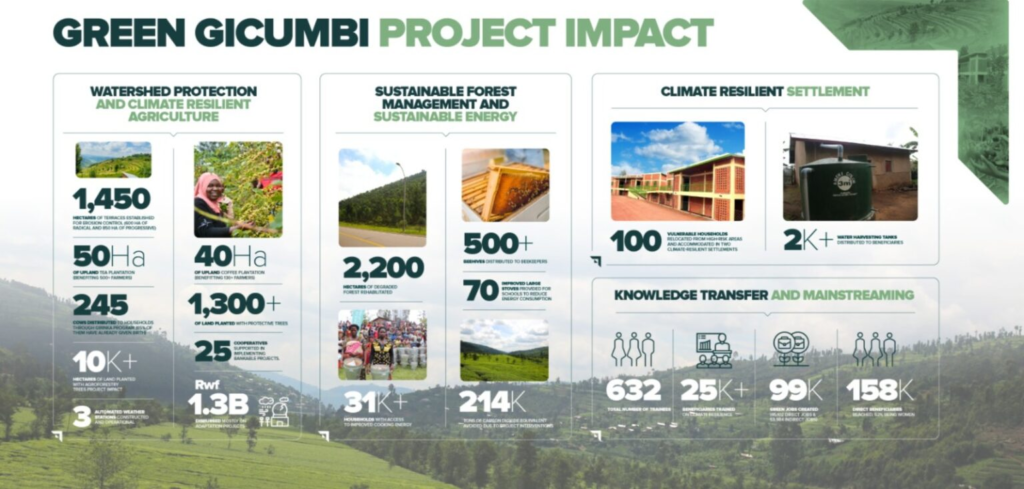
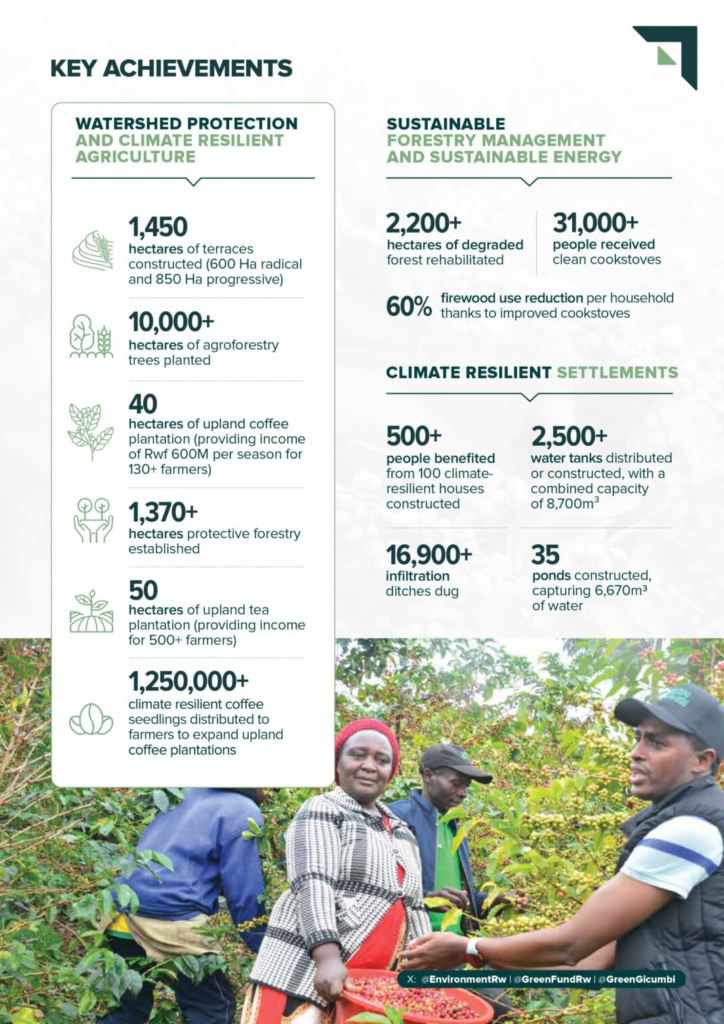
Over nearly six years, Green Gicumbi delivered visible, measurable, and life changing results across nine sectors: Rubaya, Cyumba, Kaniga, Mukarange, Rushaki, Shangasha, Manyagiro, Byumba, and Bwisige all within the Muvumba River catchment area.
Key achievements include:
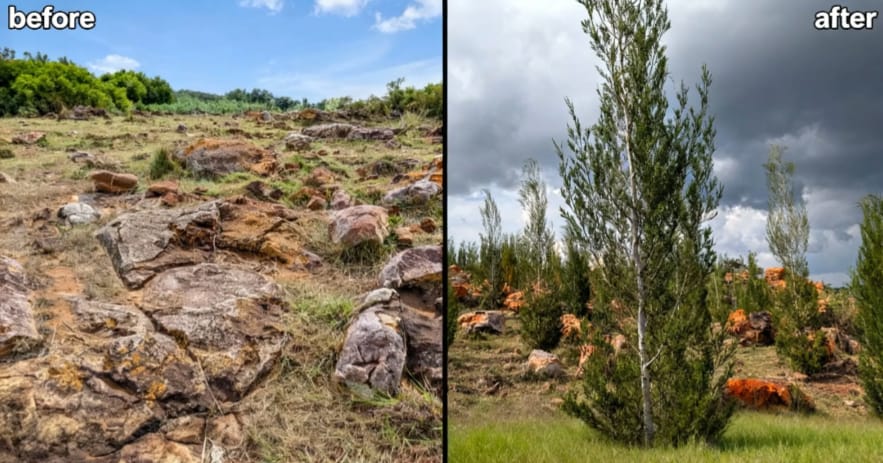
- 🌳 Over 2,200 hectares of forest planted and restored, reducing landslides and stabilizing soils
- 🚜 600 hectares of radical terraces and 600 hectares of progressive terraces constructed on steep hills
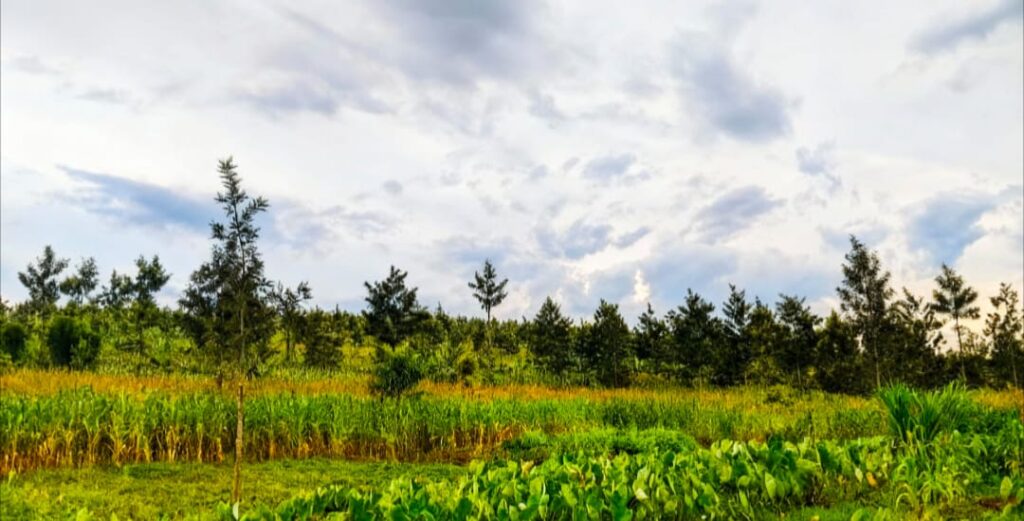
- 🌾 Nearly 10,000 hectares of agroforestry established
- 🏞️ 1,370 hectares of land protected through erosion control measures
- ☕ 40 hectares of mountain coffee and 🍃 50 hectares of climate-resilient tea planted
- 💧 More than 3,300 rainwater harvesting tanks and 193 large reservoirs distributed
- 🔥 Over 31,000 improved cookstoves provided, reducing firewood use and improving health
In terms of climate impact, the project helped reduce more than 214,000 tonnes of carbon emissions, while creating over 99,000 green jobs, with women making up more than half of beneficiaries 💪👩🏾🌾.
Restoring Dignity: Housing and Social Impact
One of the most touching achievements of Green Gicumbi is how it changed lives for vulnerable families.
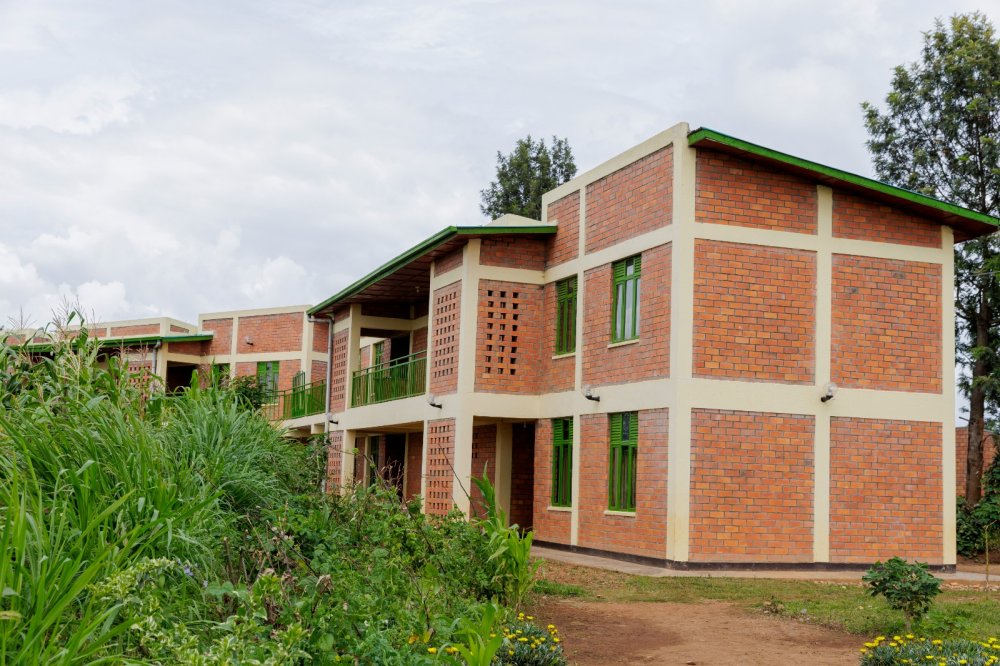
🏠 Nearly 100 households that once lived in dangerous, flood prone areas were relocated to modern, climate resilient model villages in Kaniga and Rubaya sectors. In total, 60 families were resettled, and 11 houses were officially inaugurated, offering safety, clean water, kitchen gardens, and dignity.
Kabongwaya Olive, a mother of five from Kaniga, shared her story:
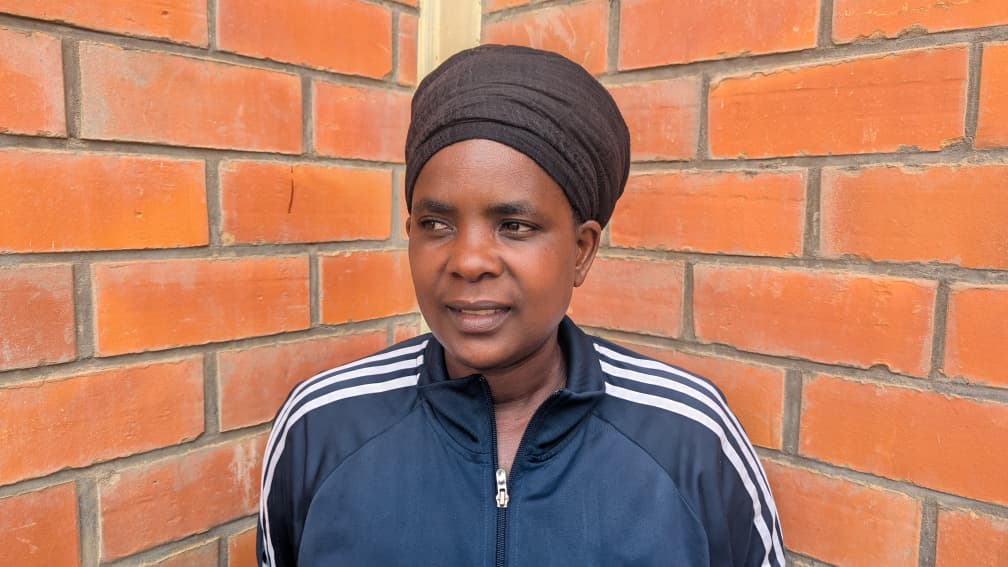
“Green Gicumbi is not just a project to me it is like a parent. I had no home, I lived in fear. Today, I live in a decent house, with furniture, livestock, kitchen gardens, and training that taught me how to save and work with cooperatives. Even when the project ends, I am not afraid of the future.” She said ❤️
Another beneficiary, Icerikora Juliette, a mother of two, added:
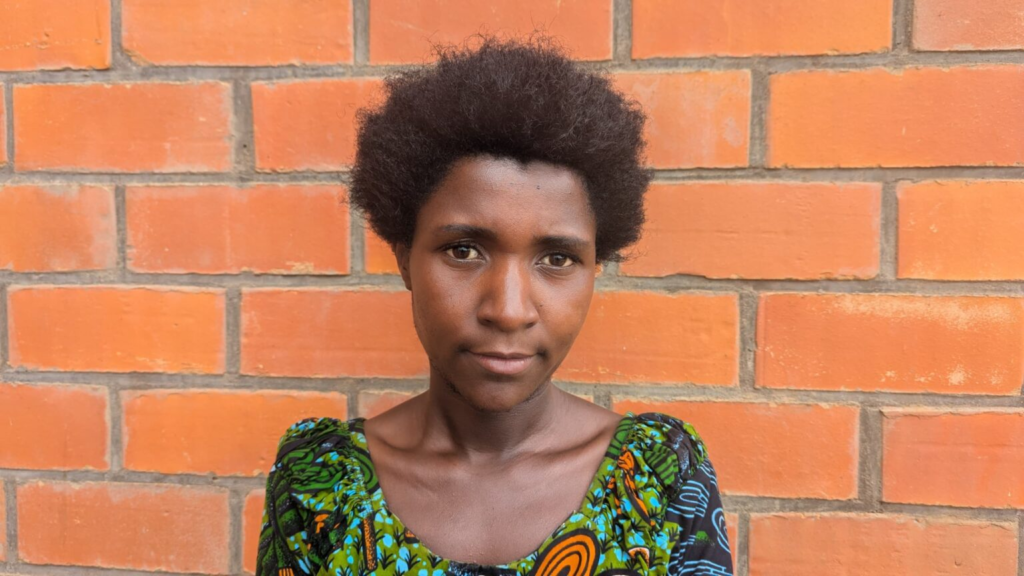
“Before, rain was our enemy. We feared it every day. Now we live in peace, with clean water nearby and food from our kitchen garden. Green Gicumbi truly changed our lives.” She said🌈
Leadership Voices: Commitment Beyond the Project
Opening the workshop, Gicumbi District Mayor, Emmanuel Nzabonimpa, praised Green Gicumbi for transforming the lives of citizens and reminded partners that protecting these achievements is a shared responsibility.
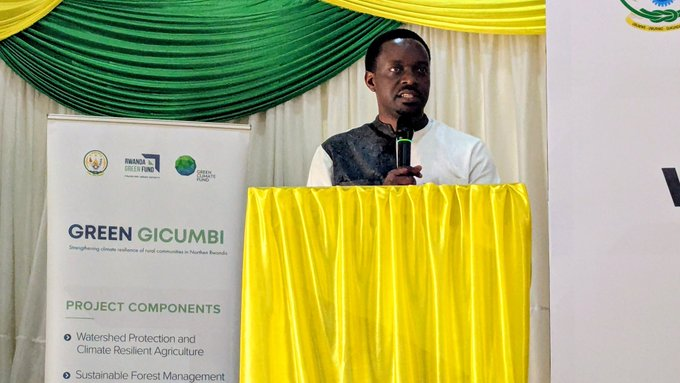
“What has been achieved here is a shared commitment between the people of Gicumbi and our country. These results must be protected. Even after the project ends, we will continue working with partners to change mindsets and safeguard what has been built,” he said.
The Mayor also assured that youth who gained skills and jobs through the project will continue to be supported to access new opportunities, start businesses, or join other development programs 🚀.
Jean Marie Vianney Kagenza, the Green Gicumbi Project Manager, emphasized that success came through collaboration:
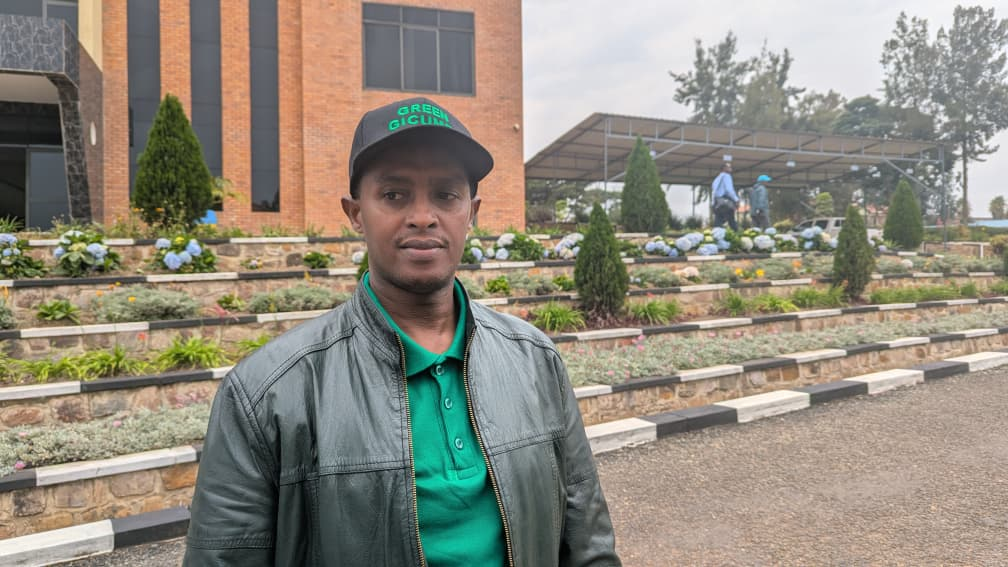
“These results were made possible by strong cooperation with local authorities, religious leaders, and partners especially in changing community mindsets on climate change. This was an integrated project, and we are proud it inspired other initiatives.”
He added that continued awareness campaigns are essential to prevent future disasters caused by heavy rainfall and climate shocks.
Looking Ahead: Sustainability and Scale-Up
During the workshop, JADF members reaffirmed their commitment to sustaining Green Gicumbi’s achievements through their ongoing interventions. A field visit to project sites allowed participants to see first-hand the impact on forests, farms, rivers, and communities 🌍👀.
Religious leaders, private sector actors, and development partners were called upon to:
- Protect restored forests and wetlands 🌲
- Maintain climate-resilient infrastructure 🏗️
- Support cooperatives and green enterprises 🤝
- Scale up best practices beyond the project area
TCN || The Comments News