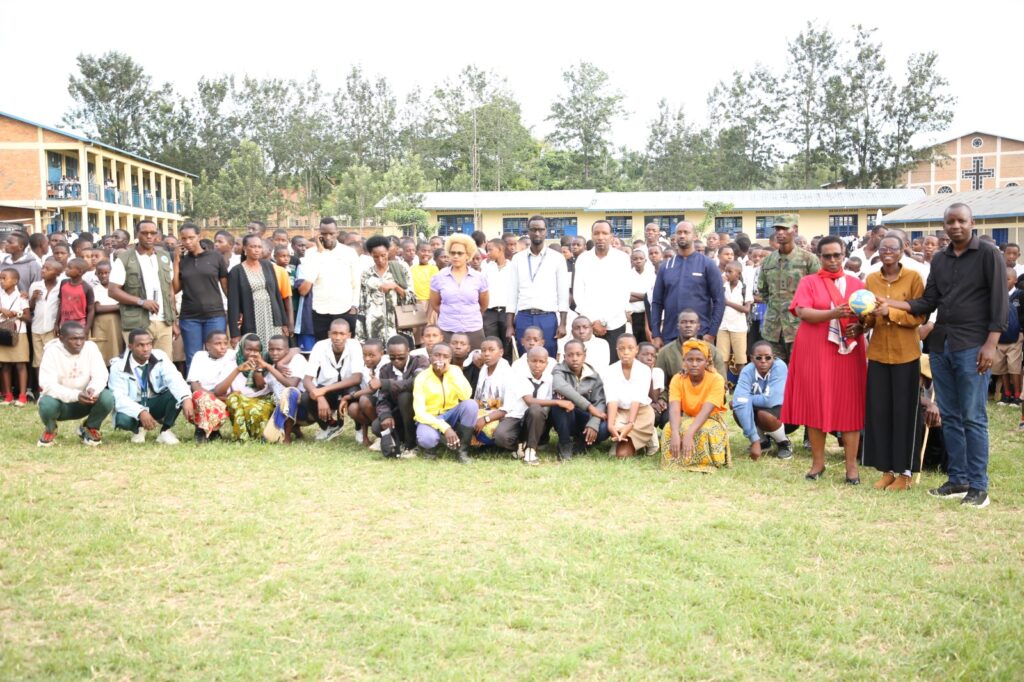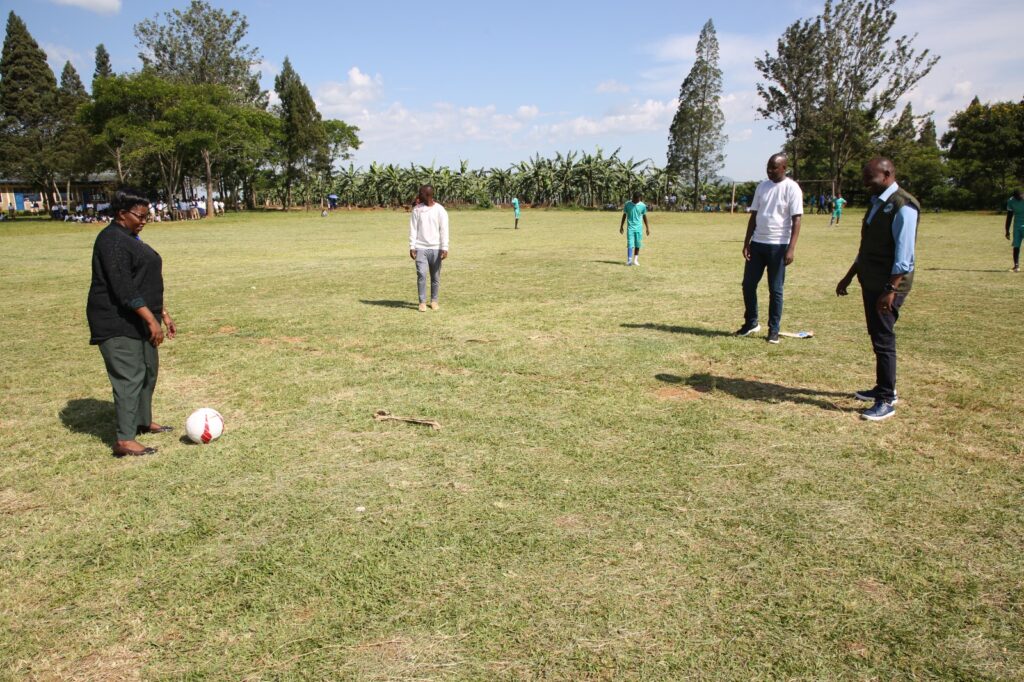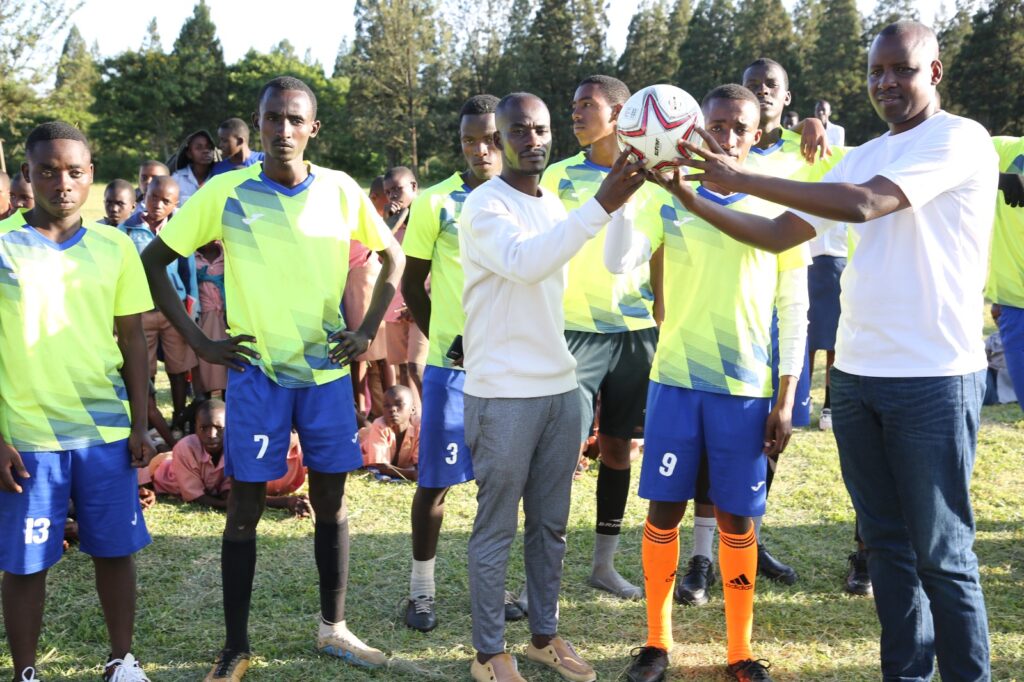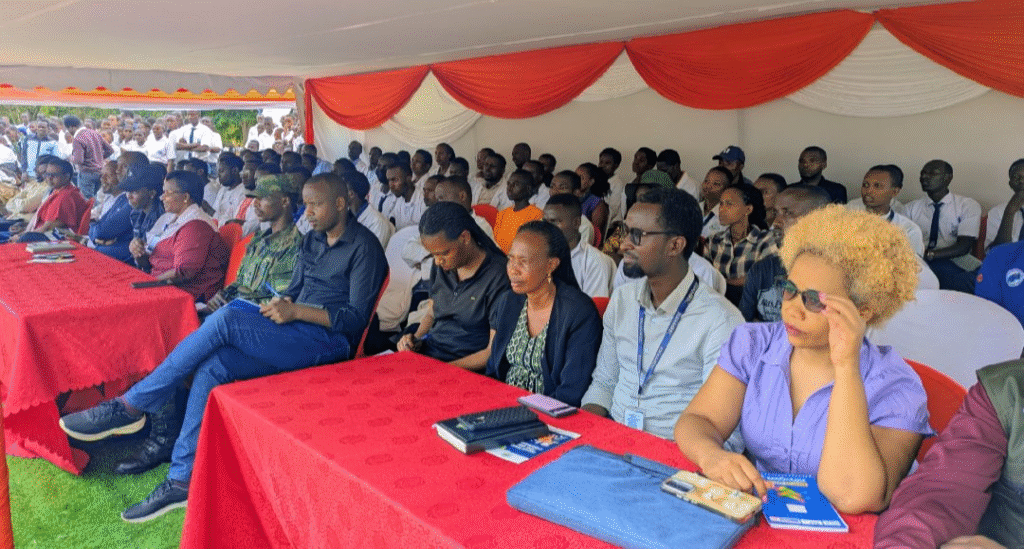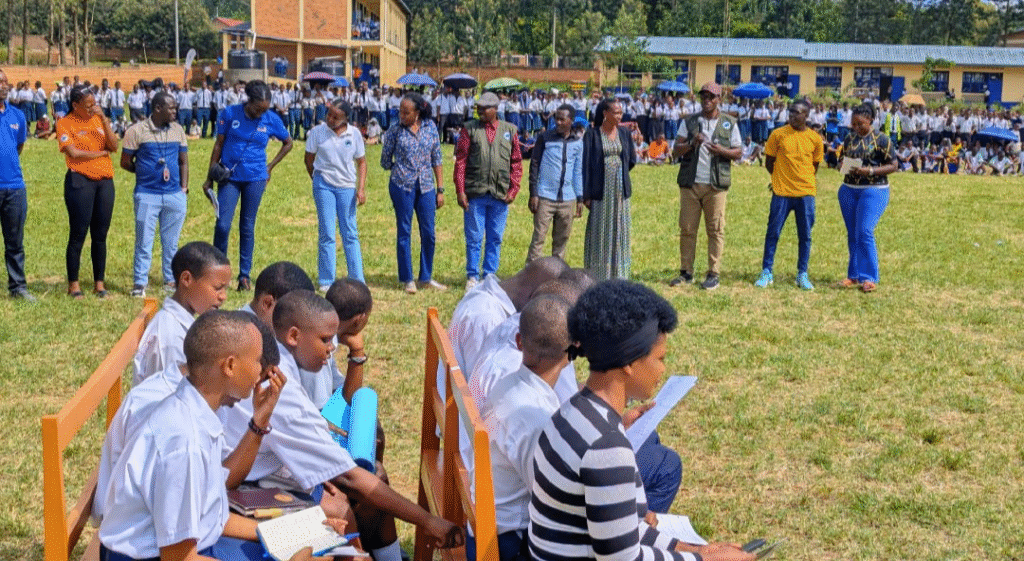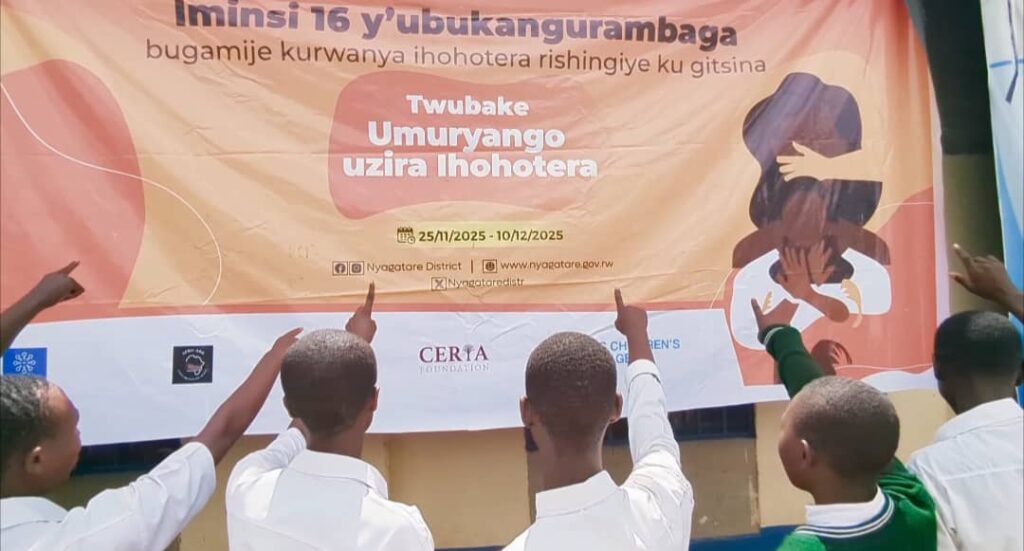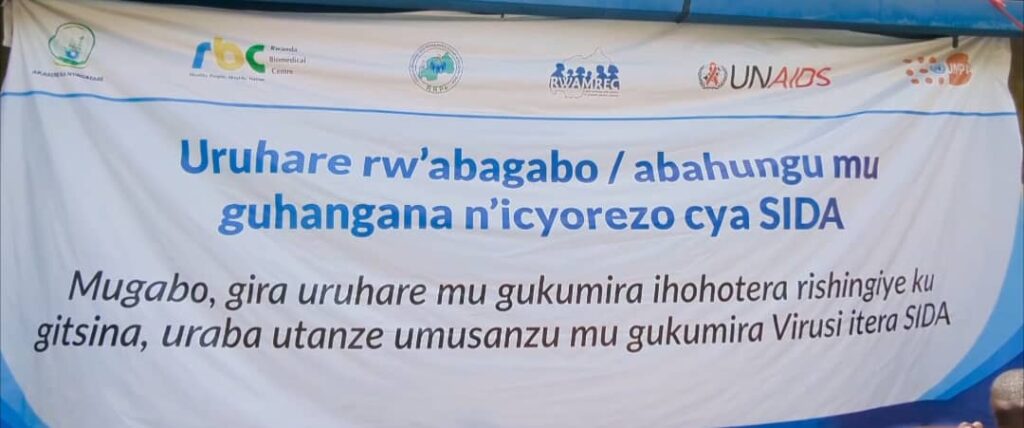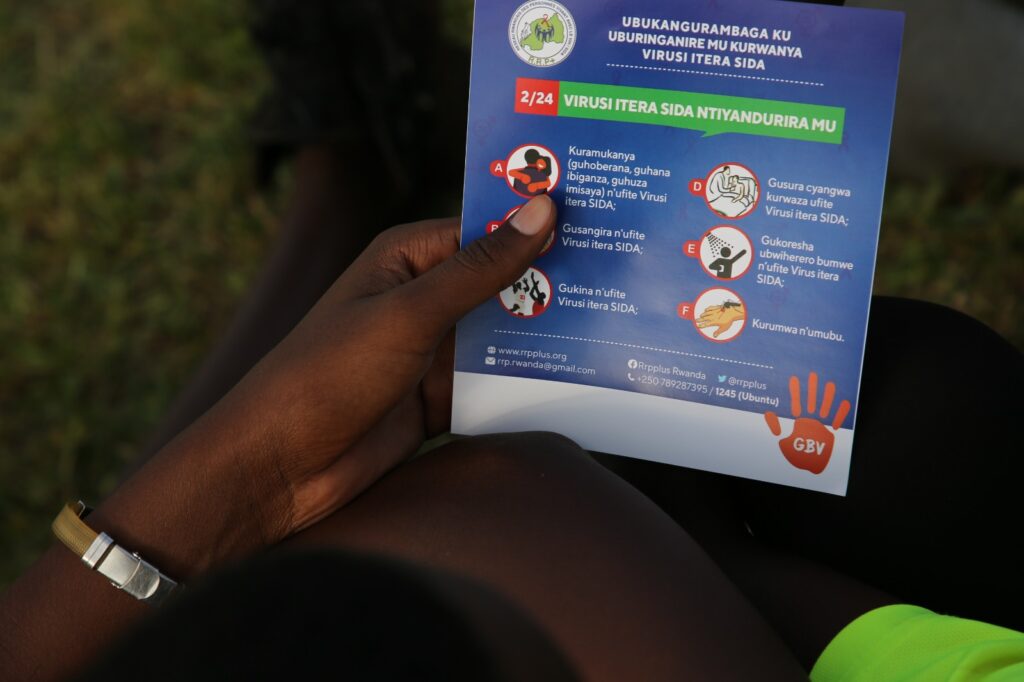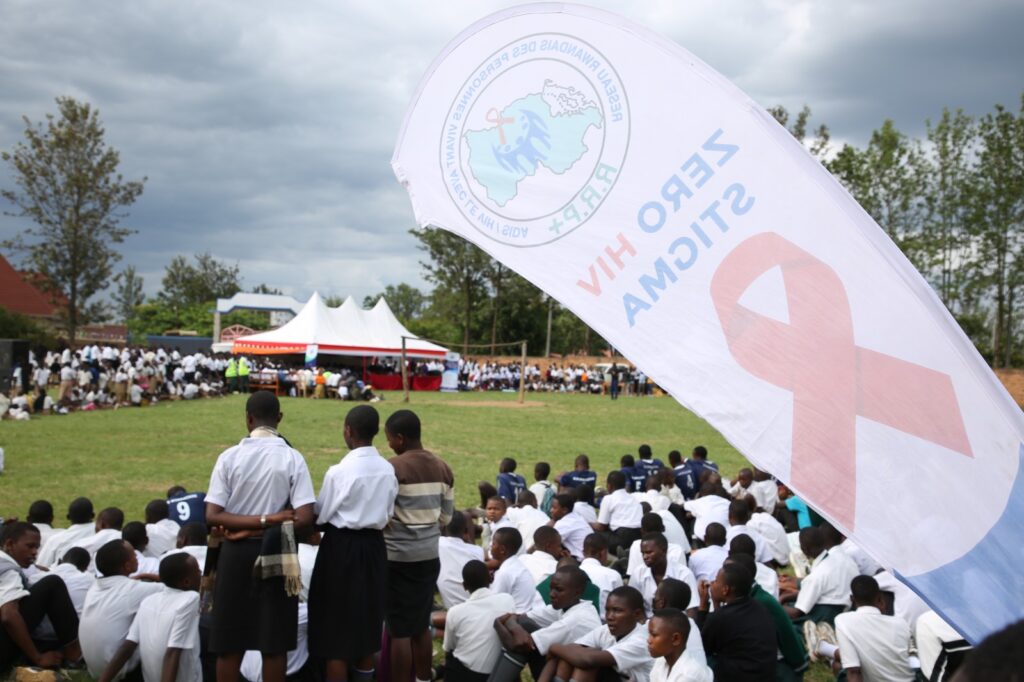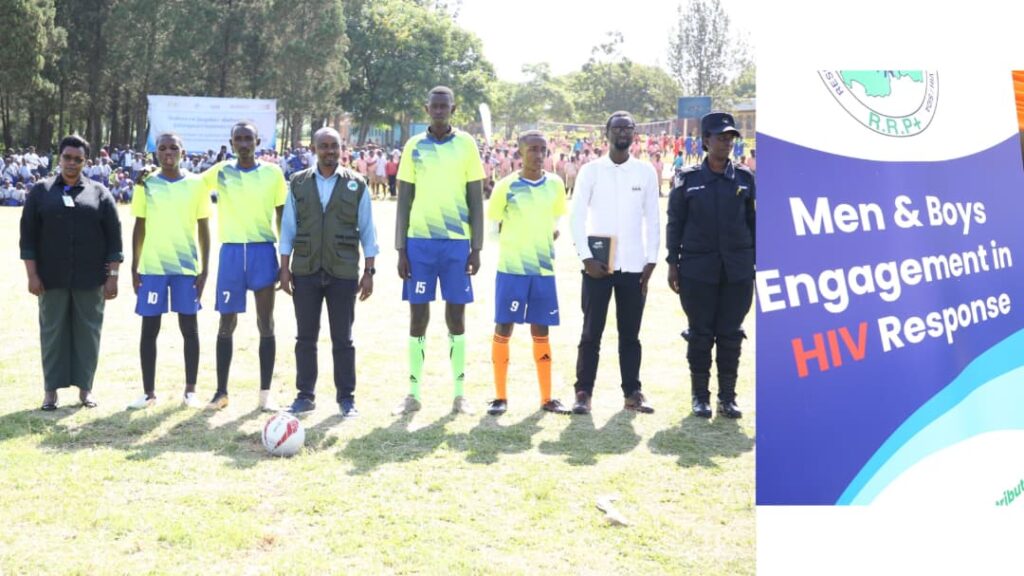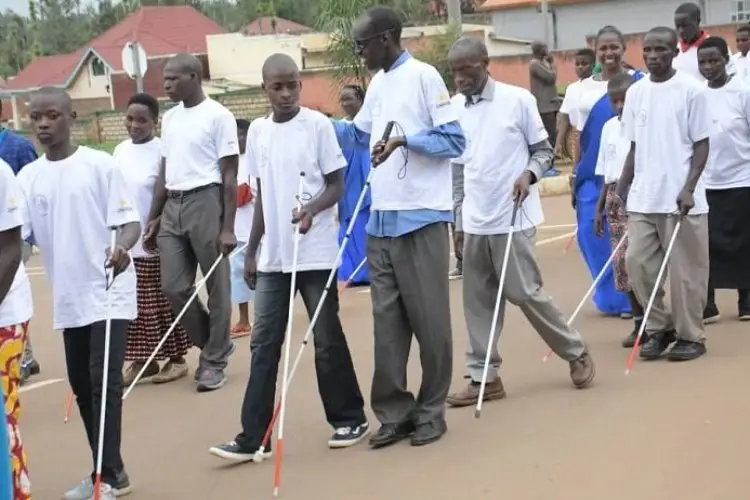
As Rwanda joins the world in marking the annual 16 Days of Activism Against Gender-Based Violence, RRP+ and RWAMREC in partnership with RBC , UNFPA and UNAIDS launched an intensive youth-focused campaign in Nyagatare District aimed at reducing HIV infections, promoting positive masculinity, and ending gender-based violence (GBV). The campaign ran from 25 to 27 November 2025, bringing together thousands of young people, teachers, health workers, and local leaders.
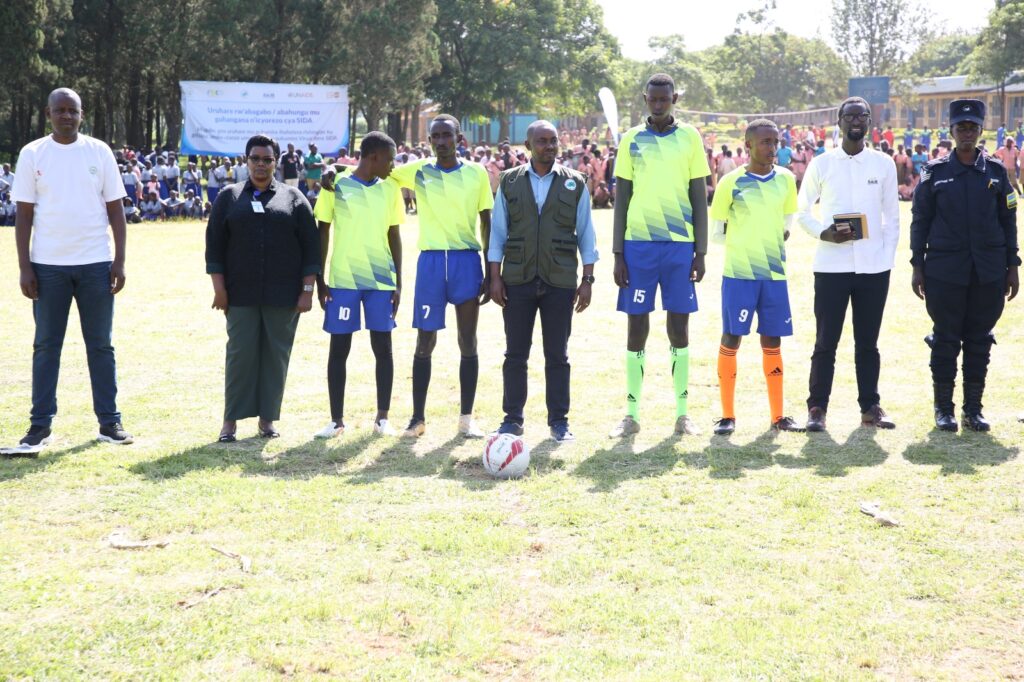
The 16 Days, observed globally from November 25 to December 10, call for united action to prevent and respond to violence against women and girls. In Rwanda, the theme emphasizes building GBV-free families and strengthening community responsibility. The Nyagatare outreach aligned closely with this national agenda.
Why Nyagatare?
According to the Rwanda Biomedical Centre (RBC), Nyagatare remains among the districts with higher rates of new HIV infections particularly among adolescents and young adults aged 15-24. Teenage pregnancy, sexual violence, and harmful gender norms continue to affect the district, creating urgent need for youth-centered interventions.
Responding to these challenges, RRP+ and RWAMREC deployed the Youth for Change model to help young people build self-confidence, understand SRHR (Sexual and Reproductive Health and Rights), and reject risky behaviors and violence.
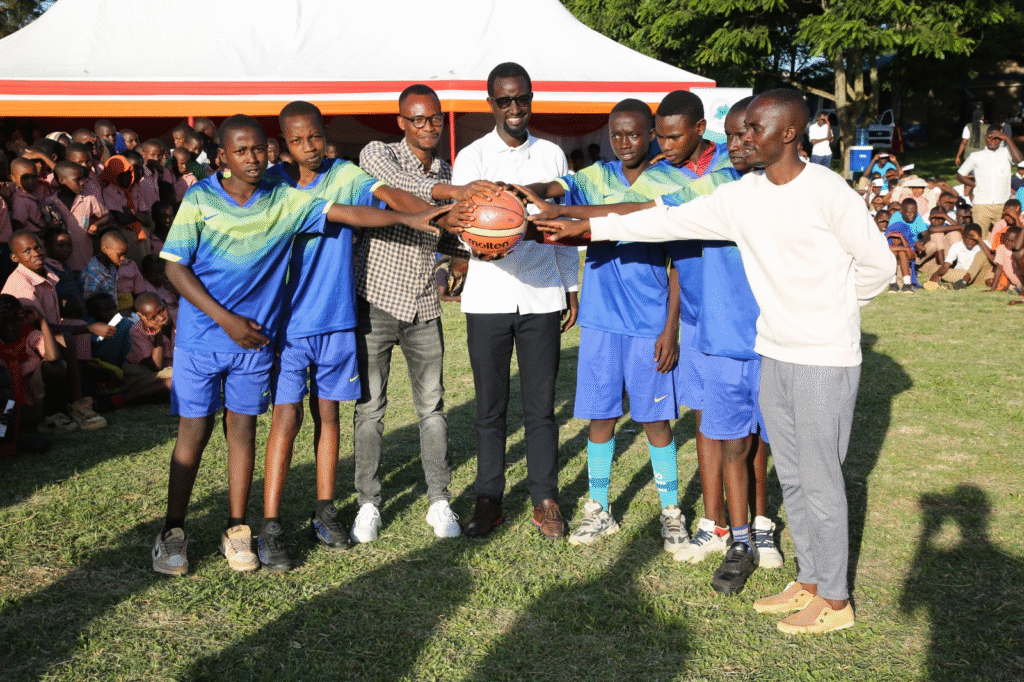
Over the three days, the campaign reached more than 5,000 participants through debates, sports, art, music, testimonies, and open discussions led by youth ambassadors and trained facilitators.
RRP+ Calls for Responsibility and Self-Protection
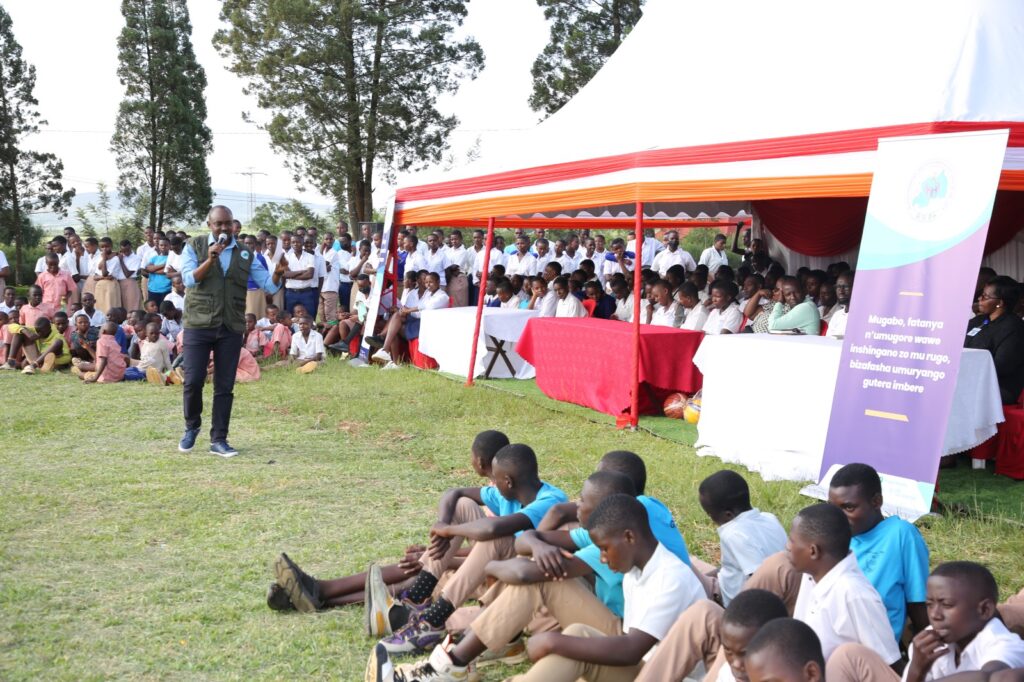
Speaking at the opening event, Dr. Deo Mutambuka, Executive Director of RRP+, delivered a message to the youth.
“Your life is the most precious gift you have,” he said, urging boys and girls to avoid sexual pressure and unsafe relationships.
He reminded participants that HIV remains a real threat, with many new infections occurring through unprotected sex.
“Where pregnancy starts is also where HIV enters. Do not lose your future because of five minutes of pressure,” he warned.
Dr. Mutambuka also addressed stigma against people living with HIV:
“HIV is not a curse. If someone is positive and takes medicine correctly, they live a normal life. What kills faster is discrimination and silence.” He said
RBC Educates Youth on Prevention and Facts
Health expert Michael Gasana from RBC provided comprehensive education on HIV transmission and prevention, clearing widespread myths.
“HIV does not spread by eating together, shaking hands, or sitting near someone,” he explained. “It spreads through unprotected sex, sharing sharp objects, and from mother to child.”
Michael emphasized the importance of testing:
“Testing is free, confidential, and life-saving. If you ever test positive, do not panic. ARV medicine keeps you healthy and strong what matters is taking it daily as doctor told you.”
He encouraged young people to trust factual information rather than rumors.
RWAMREC Champions Positive Masculinity
Representing RWAMREC, Gustave Muvunyi highlighted the need to redefine masculinity in ways that promote respect and peace rather than violence or pressure.
“Positive masculinity means respecting girls, supporting each other, and refusing violence. Boys do not have to prove manhood through sex or aggression,” he said.
Voices from the Youth
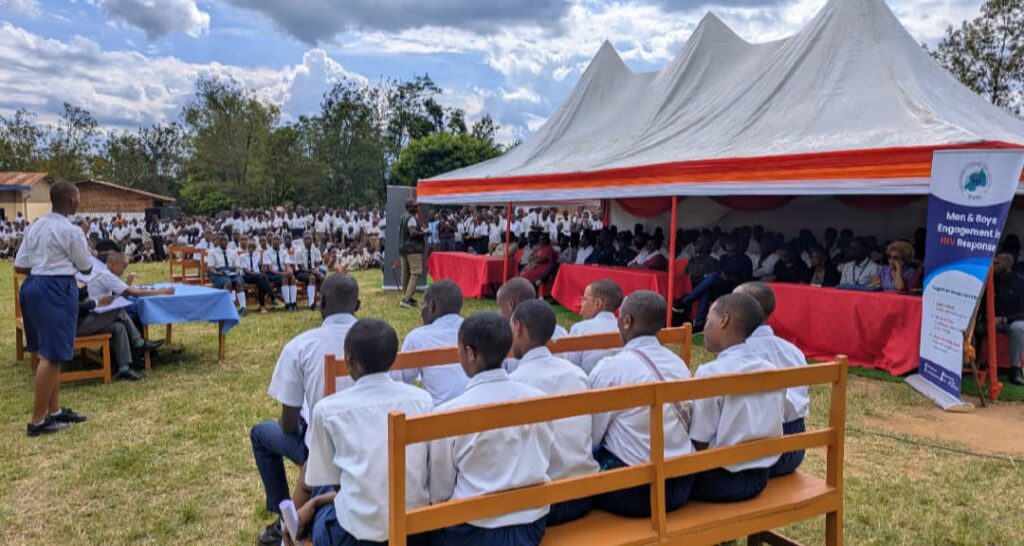
The campaign placed young people at the center, giving them space to reflect on the lessons they learned.
Eric Mugisha, a 17 years old, from GS Nyagatare , admitted that he had believed common myths about masculinity:
“I used to think a boy must have sex early to show he is mature. Today I learned that this is wrong and dangerous. Real strength is saying NO.”
Aline, 16, from Tabagwe, shared how the campaign boosted her confidence:
“I now know that my body belongs to me, and I have the right to say no. I feel more able to defend myself.”
Supporting the 16 Days of Activism
The activities in Nyagatare directly supported the goals of the 16 Days of Activism, especially the fight against violence toward women and girls. By empowering girls with confidence and teaching boys positive masculinity, the campaign addressed root causes of GBV and harmful social norms.
Young participants were encouraged to:
- report violence promptly
- practice mutual respect
- avoid risky behaviors
- build safer schools and communities
The Youth for Change Campaign demonstrated the transformative power of youth engagement in building a future free from HIV and violence. By merging education, dialogue, and empowerment, RRP+ and RWAMREC helped young people in Nyagatare make informed choices and become agents of positive change.
As Dr. Mutambuka concluded:
“If we want a future without violence and without new HIV infections, we must start with young people teaching them knowledge, dignity, and responsibility.”