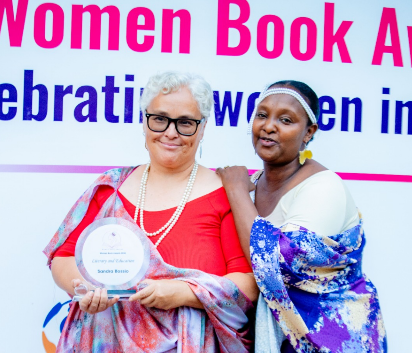
The Women Book Awards 2026 brought together writers, publishers, educators, and community leaders to celebrate women who are helping shape Rwanda’s literary and reading culture.
Held during Women’s Month on 06 March 2026, the event recognized women working across the book sector, including authors, publishers, literacy advocates, educators, and community leaders. The ceremony also served as a platform to encourage society to support local stories, promote reading, and nurture young writers.
Throughout the event, speakers emphasized the importance of protecting Rwanda’s stories and ensuring that literature continues to reflect the country’s culture and identity.
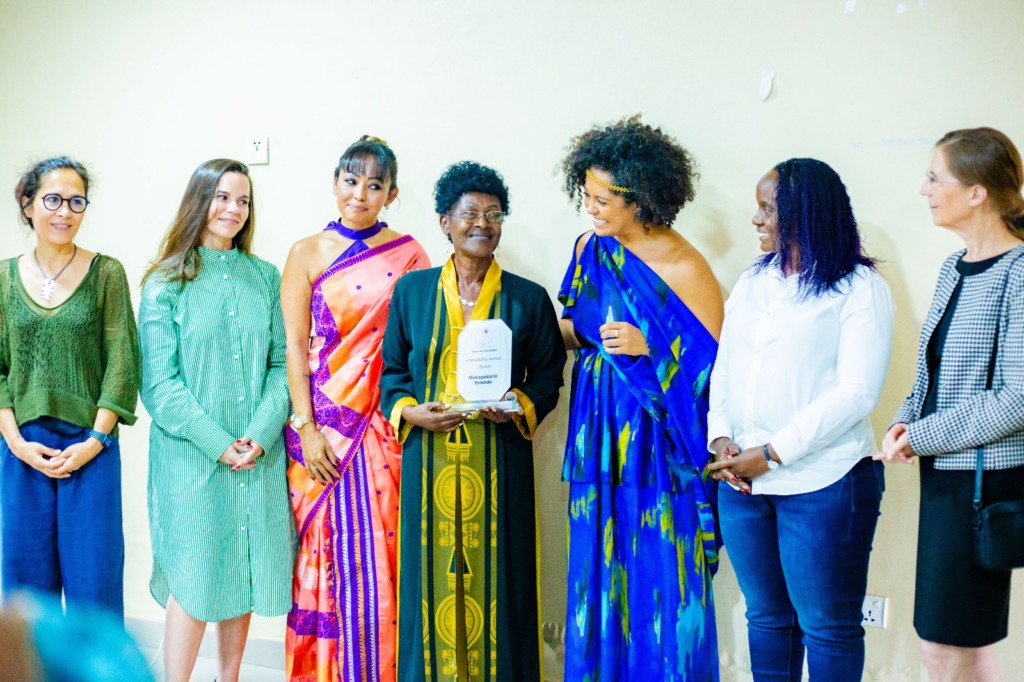
Award-winning author Mukagasana Yolande encourage young people to take part in shaping the future of Rwandan literature and to value the country’s language.
“Young people are a key highlight in these awards, and it is encouraging to see more young writers stepping forward to share their voices and their experiences. I want to encourage them to continue writing and to believe that their stories matter. I also want to remind them of the importance of writing in Kinyarwanda because our language carries our identity, our culture, and our history. If we stop using our language in literature, we risk losing an important part of who we are as a people,” she said.
Through her message she encourage participants to reflect on the role language plays in protecting cultural identity.
Mukagasana added that literature written in local languages helps communities connect more deeply with stories.
“When stories are written in our own language, they speak directly to our people and to the way we live every day. They allow children to grow up seeing themselves in books and understanding the culture and traditions that shape their lives. That is why it is important for writers to protect our language through storytelling,” she said.
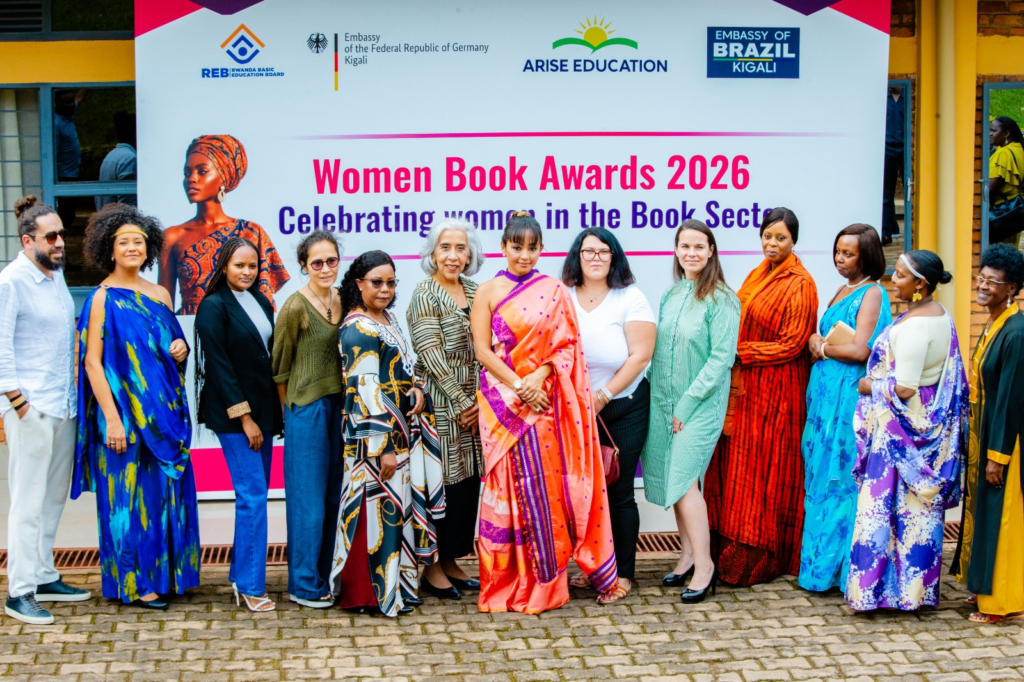
The vision behind the Women Book Awards was also highlighted by event curator Gasana Mutesi, who spoke about her early experiences with books and how they shaped her interest in promoting local storytelling.
“When I started reading books as a young girl, many of the stories I found were about cultures and places that were very far from my own environment. Those stories were interesting, but I realized that I could not see my own community or my daily life reflected in them. That experience helped me understand how important it is for us to tell our own stories and create books that reflect who we are,” she said.
Gasana also stressed the role women play in shaping children’s imagination through storytelling.
“Women are often the first storytellers that children listen to. Through bedtime stories, conversations at home, and everyday moments, mothers and caregivers help shape the imagination of young people. Because of that, women writers have a powerful role in creating stories that reflect our communities, our values, and the lessons we want the next generation to learn,” she said.
The ceremony also recognized achievements in publishing. Judence Kayitesi received recognition in the publishing leadership category through her publishing house, Inzozi Publishers.
Although she was not present at the ceremony, a message she shared with the audience expressed appreciation for the recognition.
“This recognition means a lot to me and to the entire team at Inzozi Publishers. Our mission has always been to support writers and promote reading. We believe that books have the power to educate, inspire, and transform communities, and we will continue working to ensure that more Rwandan stories are written, published, and shared,” her message read.
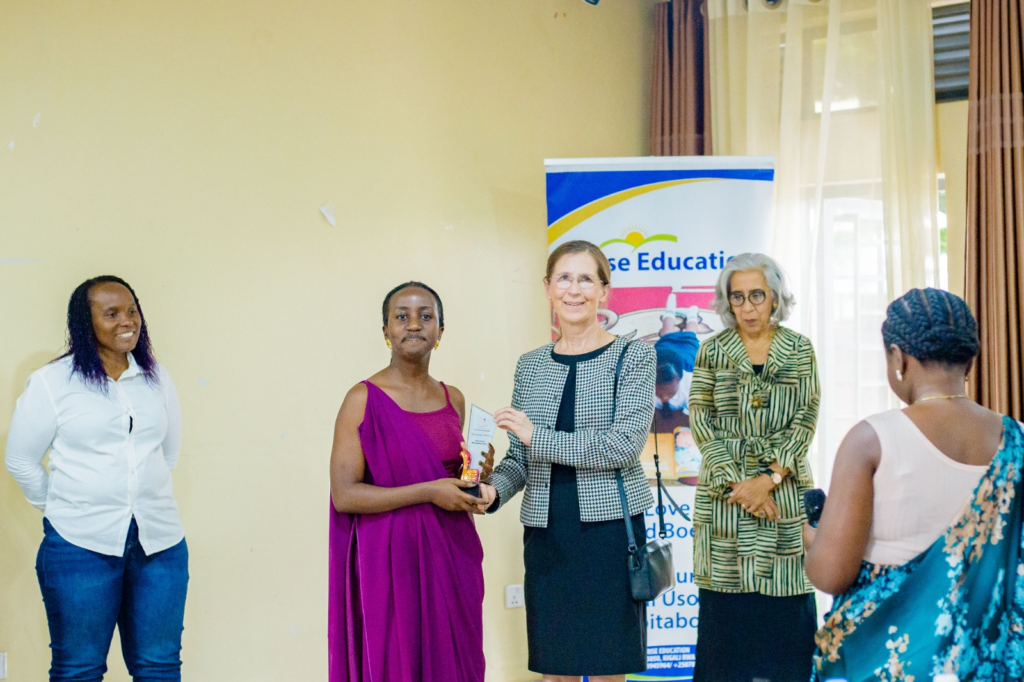
The event also highlighted emerging voices in literature. Lise Nova Berwadushime received the Emerging Talent Award and shared a personal reflection on her journey as a writer.
“My inspiration comes from the struggles I have experienced in my life and the lessons I have learned along the way. Writing became a way for me to express feelings that were sometimes difficult to speak about. I realized that if writing can comfort someone, help someone feel understood, or make someone feel less alone, then I want to continue using it in the best way possible,” she said.
Another young writer recognized during the ceremony was Denyse Umuhuza, who received the Young Author Award for her work in children’s literacy and storytelling.
Through her books and her involvement in the Agati Community Library initiative, Umuhuza works to encourage children to develop a love for reading.
Community-based literacy initiatives were also celebrated. Betsy Dickey, founder of the Ready for Reading initiative, received the Community Change Award for her Reading Riders project, which brings books directly to communities.
Her work in Rwinkwavu has helped expand access to books and strengthen reading culture among children and families.
The awards also recognized several women whose work continues to shape Rwanda’s literary ecosystem. Among them was Jane Uwera of Cactus Publishers, a bookseller and publisher with more than twenty years of experience in the industry.
Sandra Bossio of Le Phare Library received the Literacy and Education Award for her work encouraging children to develop a love for reading through community programs such as Mahoko Friday News in Rubavu.
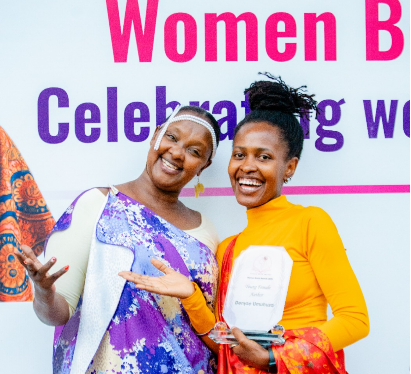
Social impact work was also highlighted during the event. Julienne Bamurange was recognized for supporting teenage mothers in Rubavu through mentorship, storytelling, and community engagement.
Inclusivity in publishing was another key theme during the ceremony. Credia Umuhire Ruzigana received the Inclusive Publishing Award through her organization Imanzi Creations, which produces braille books and other accessible materials for readers with visual impairments.
The Knowledge-Based Economy Award went to Joan Murungi for her leadership in curriculum development and for helping develop competency-based textbooks used in schools across Rwanda.
Cultural heritage preservation was also recognized through the work of Umuhoza Denyse, founder of the Muraho Rwanda initiative, which promotes the Kinyarwanda language and Rwandan culture among young people and international learners.
As the ceremony concluded, the Women Book Awards 2026 highlighted the important role women continue to play in Rwanda’s literary sector.
Beyond celebrating achievements, the event delivered a message to society: the future of Rwanda’s literary culture depends on supporting local stories, encouraging young writers, and ensuring that books remain accessible to communities across the country.