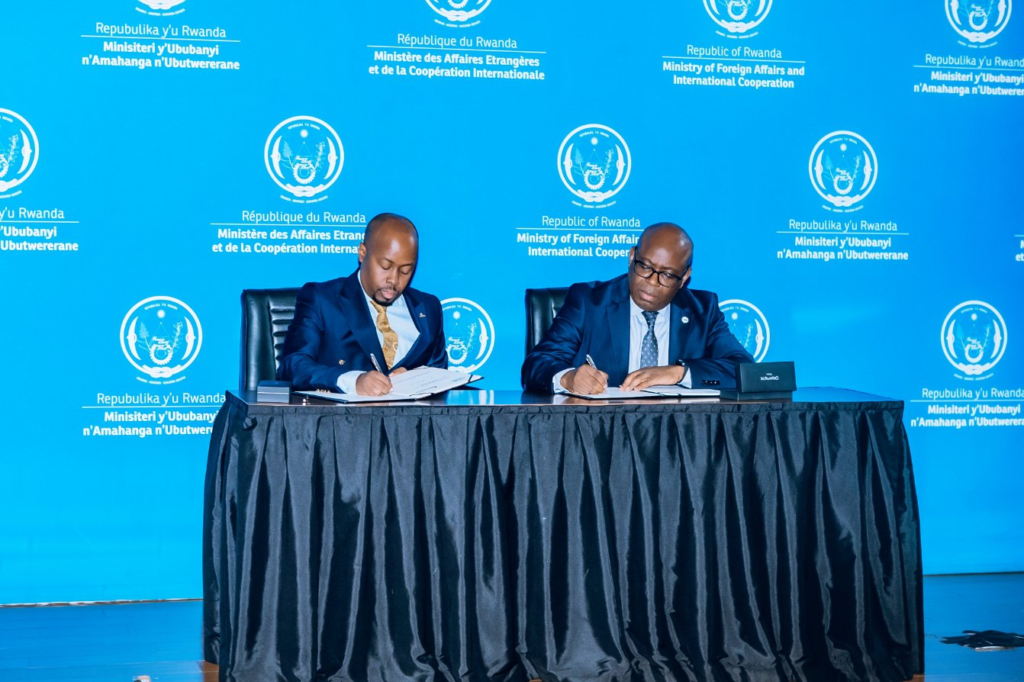
Rwanda has taken another step toward expanding trade across Africa after signing new agreements that will make it easier for local industries to sell their products in other countries. The agreements were signed between the Rwanda Standards Board (RSB), the Republic of Congo’s standards (ACONOQ), and the Standards Association of Zimbabwe (SAZ). Officials say the move will reduce trade barriers and open new opportunities for Rwandan businesses.
The agreements were signed on March 6, 2026, in Kigali during a continental meeting organized by the African Organization for Standardization (ARSO). The meeting brought together experts from 16 African countries to discuss ways to harmonize quality standards, especially in the textile and clothing sector.

For many Rwandan entrepreneurs, the agreements mark a major turning point.
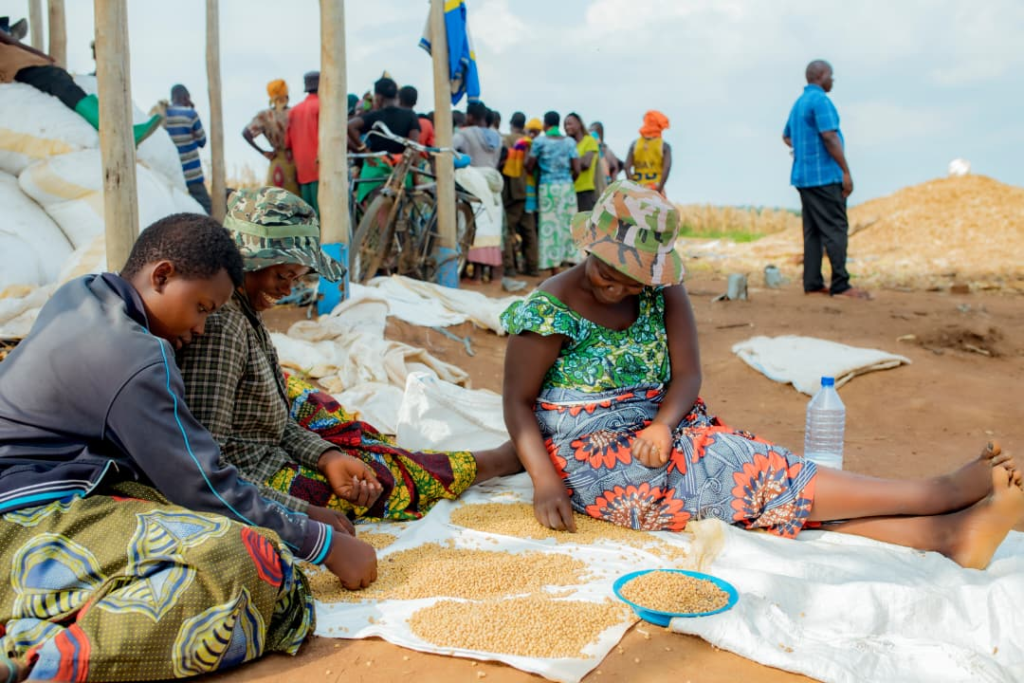
Michel Niyonsenga, Director of Kawunga Factory and owner of Ihirwe Trading Company based in Runda Sector in Kamonyi District, said the new agreements bring hope for expanding his business beyond Rwanda and the Democratic Republic of Congo.
For the past year, Niyonsenga worked hard to obtain a quality certification for his products. The process was long and demanding, but he believes the effort has finally paid off.
“The certification process took me a full year, but it has finally opened new commercial opportunities for us,” he said.
Before receiving the certification, his company mainly sold products within Rwanda and occasionally in the Democratic Republic of Congo. Entering other African markets was difficult because each country required its own testing and certification process.
According to Niyonsenga, the new agreements will make it easier for certified products to move across borders.
“We were already selling in Rwanda and in Congo, but now we are allowed to sell in other countries, Contracts with other countries have already been signed and we are looking for ways to expand our business there.” He said

He added that having a recognized quality mark is very important for building trust among customers.
“When people see the quality mark, they trust the product inside. They feel safe using it. Public trust continues to grow, and we are confident we will succeed.” he explained
Government officials believe this will reduce costs, shorten export procedures, and help local industries grow faster.
Rwanda’s Minister of Trade and Industry, Prudence Sebahizi, said the agreements strengthen cooperation between Rwanda and its African partners while opening new markets for local products.
“These agreements strengthen the friendly ties between our nations and open wider doors for greater economic exchange,” Sebahizi said.
He also encouraged Rwandan entrepreneurs to take advantage of the opportunity by increasing production and improving quality.
“I urge our entrepreneurs to seize this moment, ramp up production, raise quality even higher, and boldly explore these promising new markets,” he said.
The agreements are also closely linked to the goals of the African Continental Free Trade Area (AfCFTA), which aims to create a single market for goods and services across the continent.
Experts believe harmonizing standards is one of the most important steps toward achieving that goal.
During the four-day ARSO meeting held in Kigali from March 3 to March 6, specialists reviewed 25 proposed continental standards for textiles, clothing materials, accessories, and related products.
The aim is to create common standards that can be used across Africa instead of different rules in every country.
Emmanuel Gatera, Director of the Standards Development Department at the Rwanda Standards Board, said this will make trade much easier for manufacturers.
“When standards are harmonized, a product certified in Rwanda can access other African markets without being tested again, this reduces both the cost and time associated with multiple laboratory tests and facilitates smoother trade.” he explained.
According to Gatera, common standards will also help attract investors and expand markets for locally produced goods.

Rwanda has already made progress in improving product quality. The Rwanda Standards Board reports that more than 40 local industries have already received quality certification for 78 products, allowing them to export more easily.
In addition, 32 other companies that meet the required standards are preparing to receive certification that will allow their products to enter African markets without additional testing.
These certifications are issued under the African Conformity Assessment Program, which helps businesses meet harmonized African standards.
Dr Hermogene Nsengimana, Secretary General of the African Organization for Standardization, said the organization is working toward a system based on the principle of “One Standard, One Test, One Certificate.”
Currently, exporters often face repeated testing and verification procedures in different countries, which increases costs and delays.
“Using a single standard means countries can accept each other’s certified products without repeating tests,” Nsengimana said.
He noted that about 25 percent of the standards needed for the African market have already been developed, with more work still underway.
As trade barriers continue to fall, Rwanda’s growing industrial sector hopes to benefit from faster exports, increased investment, and new job opportunities in the years ahead.