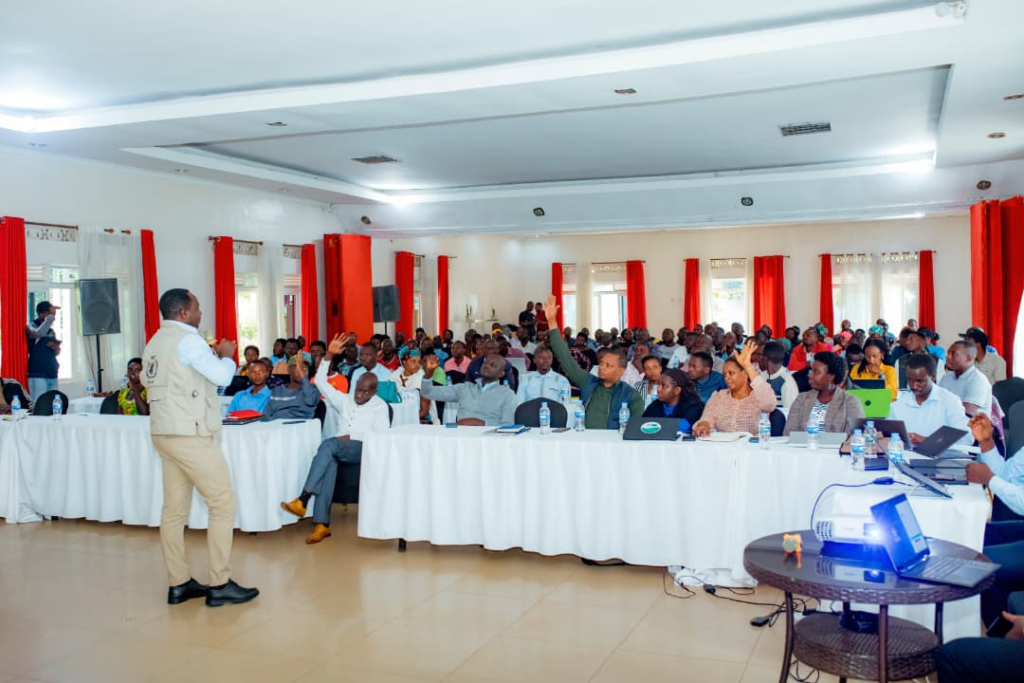
For a long time, banks in Rwanda viewed lending money to farmers as a very big gamble. They were afraid that droughts, floods, or pests would destroy crops, leaving farmers with nothing and making it impossible for them to pay back their loans. Because of these risks, small-scale farmers were often turned away when they asked for financial help.
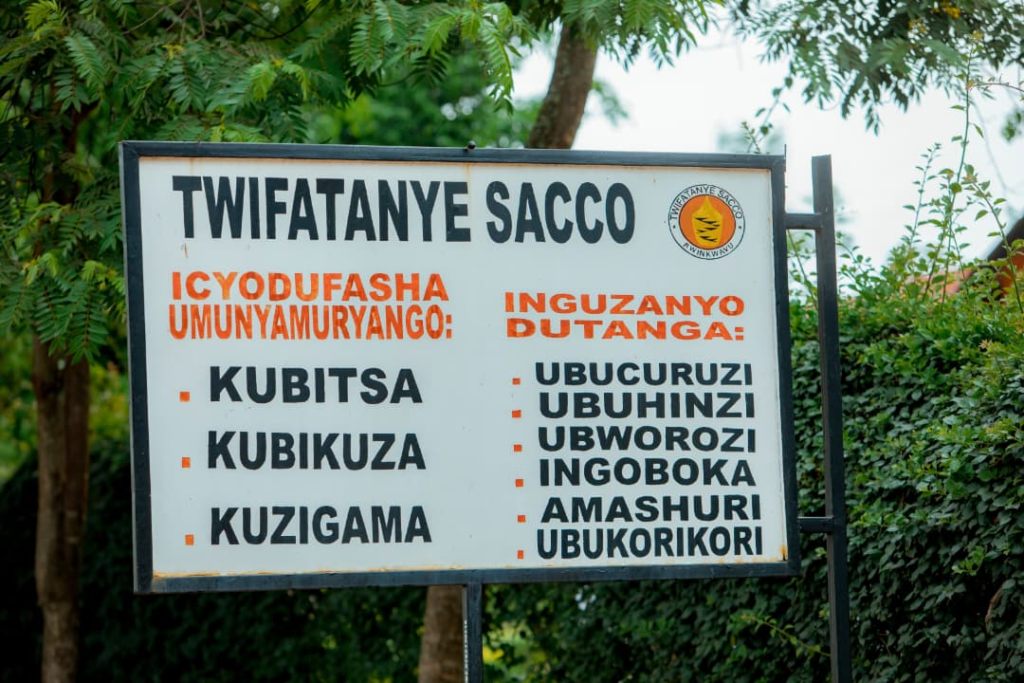
Today, that story is changing in the Kayonza district. Thanks to the impact of the Kayonza Irrigation and Integrated Watershed Management Project Phase II (KIIWP-2), banks no longer see agriculture as a risky bet. Instead, they are starting to see it as a stable and profitable business.
From “Too Risky” to “Bankable”
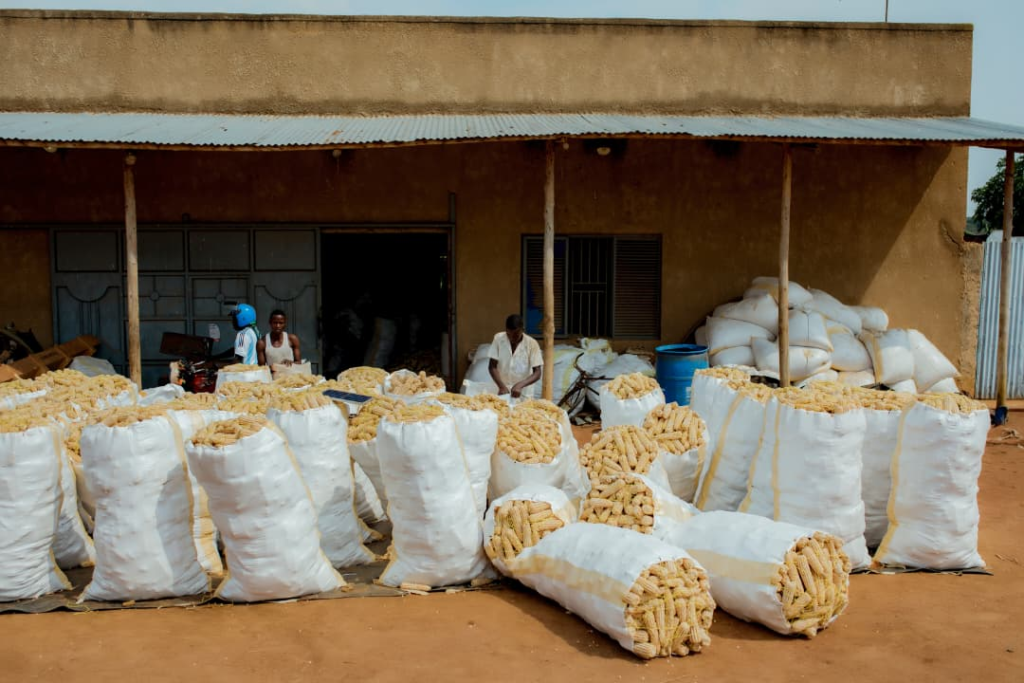
Before KIIWP-2 arrived, many farmers in Kayonza struggled because they did not have the right tools or knowledge to grow large amounts of crops. Their harvests were small and unpredictable. Maize production was only about 1.8 tons per hectare, and cassava was just 2.5 tons. Most people grew sweet potatoes only to feed their families, and the tubers were often too small to sell for a good price.
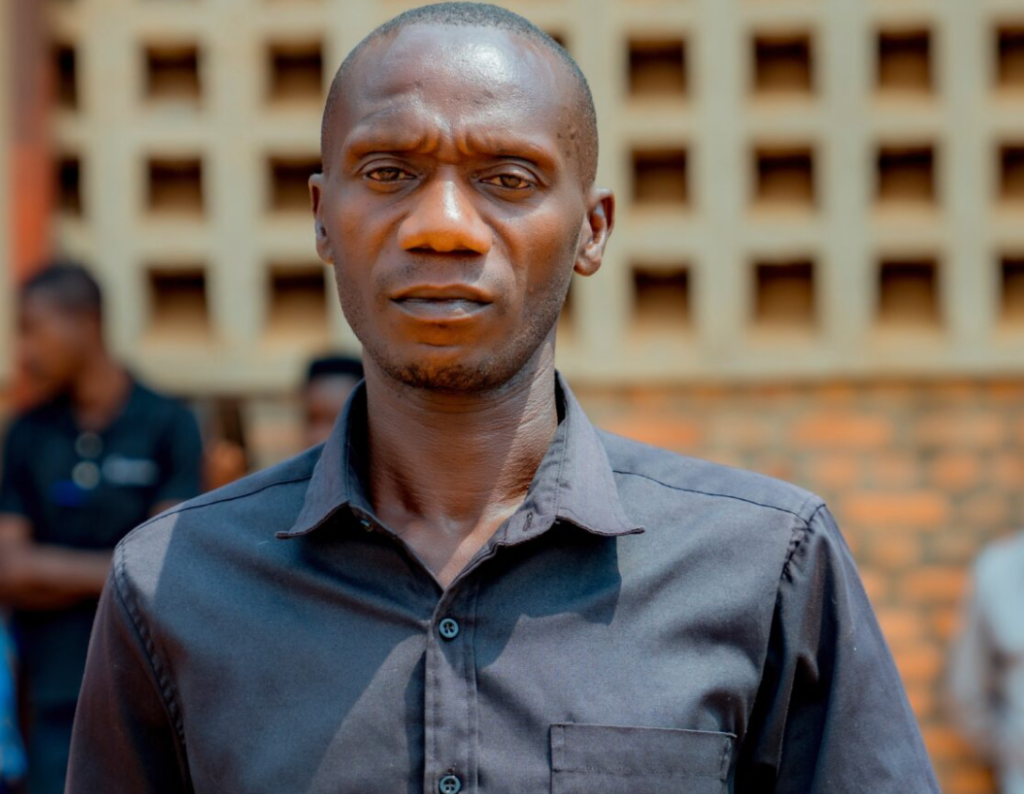
Banks looked at these poor conditions and hesitated to help. A local farmer named Sylvestre Ntagasanzwe explains that the problem wasn’t just the weather, but also a lack of business skills among the farmers themselves.
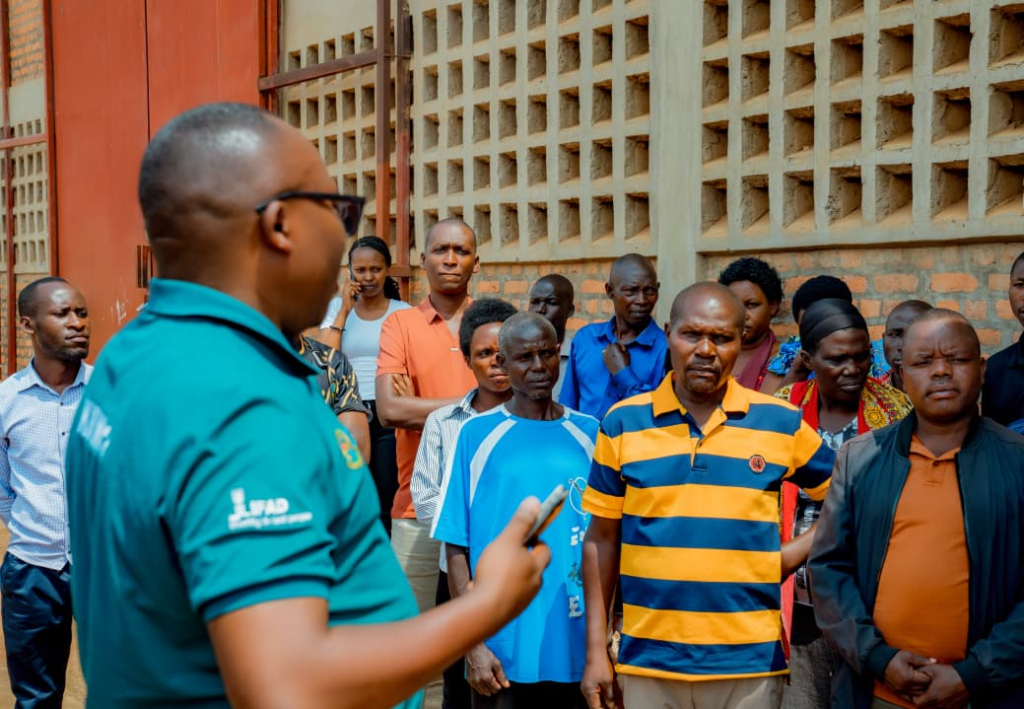
“Before, they thought farming could fail at any time because of climate change. The bank believed lending to farmers was a waste of money. Also, we wouldn’t know how to make a business plan which can convince the bank. We didn’t know how to manage our cooperative money. But after KIIWP-2 gave us training about farming as a business, showing us how we can plan our business in a way that can convince bankers, we are now confident in what we do. We take a loan without fear because even our income increased from 1.8 tons per hectare of maize to 4.8 tons now. We work with the bank even when we build this cooperative house; they gave us a loan of 18 million.” He said
The Numbers That Changed Minds
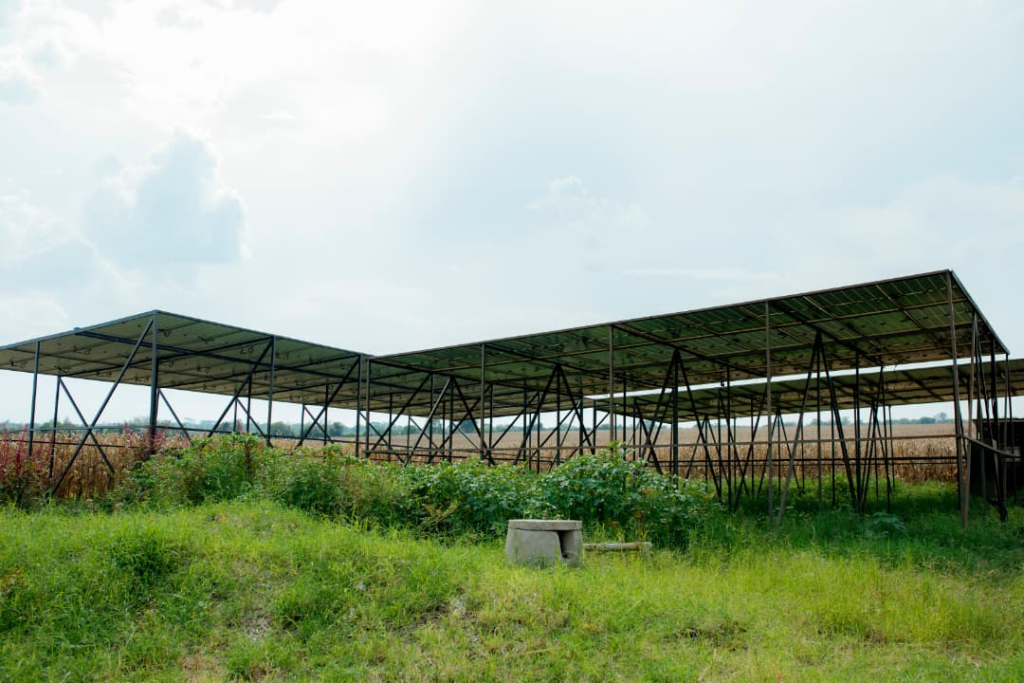
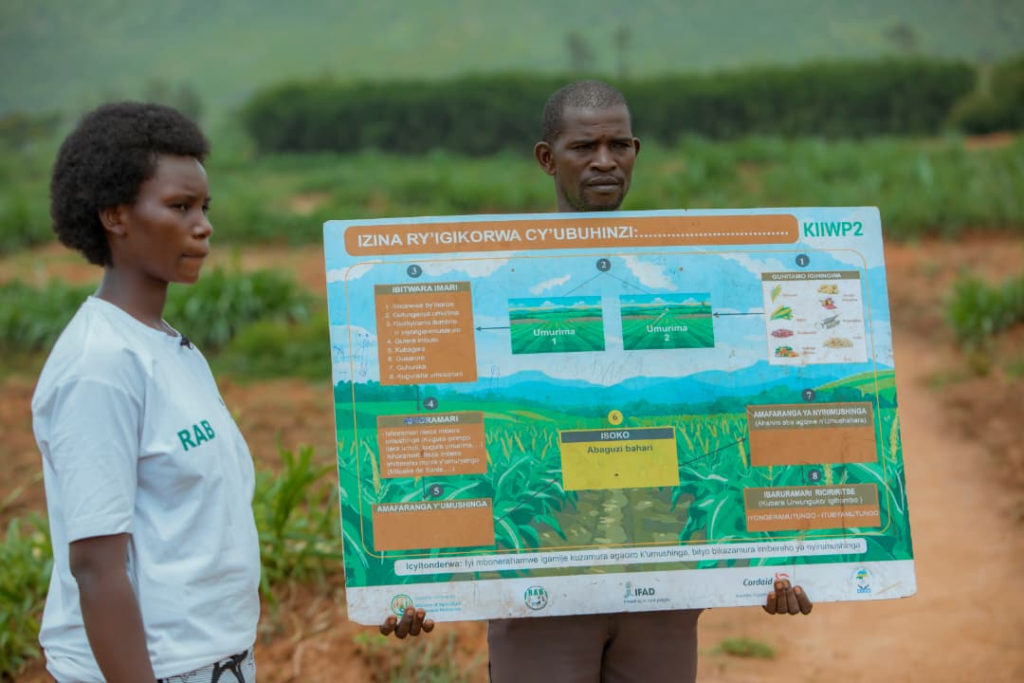
The project introduced better seeds, fertilizers, and modern irrigation tools. Farmers were taught how to prepare their land properly, plant at the right time, and manage the soil so it stays fertile. Most importantly, they learned how to keep records and manage their money like a real company.
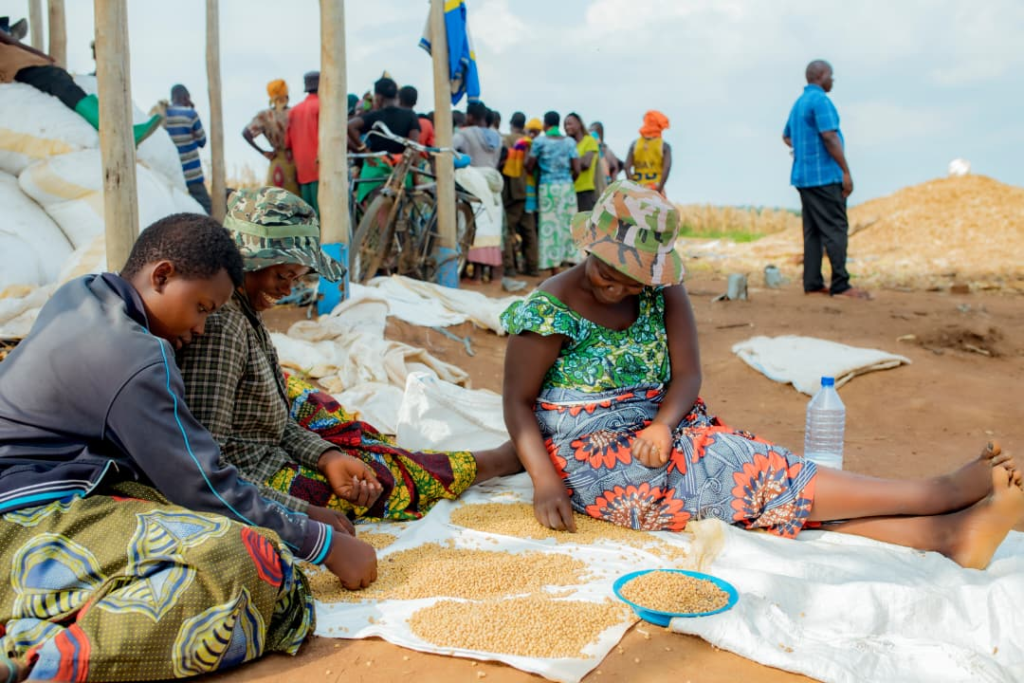
The results of these changes were Maize yields jumped significantly, and cassava production doubled. In the past, one hectare yielded about 2.5 tons of cassava, but today it reaches 5 tons. With the new methods, a single plant can produce tubers weighing around 15 kg. Sweet potato production also improved, and farmers are now making money by selling improved vines for 1,500 Rwandan francs per bundle and fresh potatoes for 300 francs per kilogram.
When banks saw these high numbers, they realized that agriculture could actually make a lot of money. Sylvestre Ntagasanzwe notes that when production doubled and tripled, the banks finally understood the potential and now actually encourage farmers to take loans.
Gaining Confidence and Trust
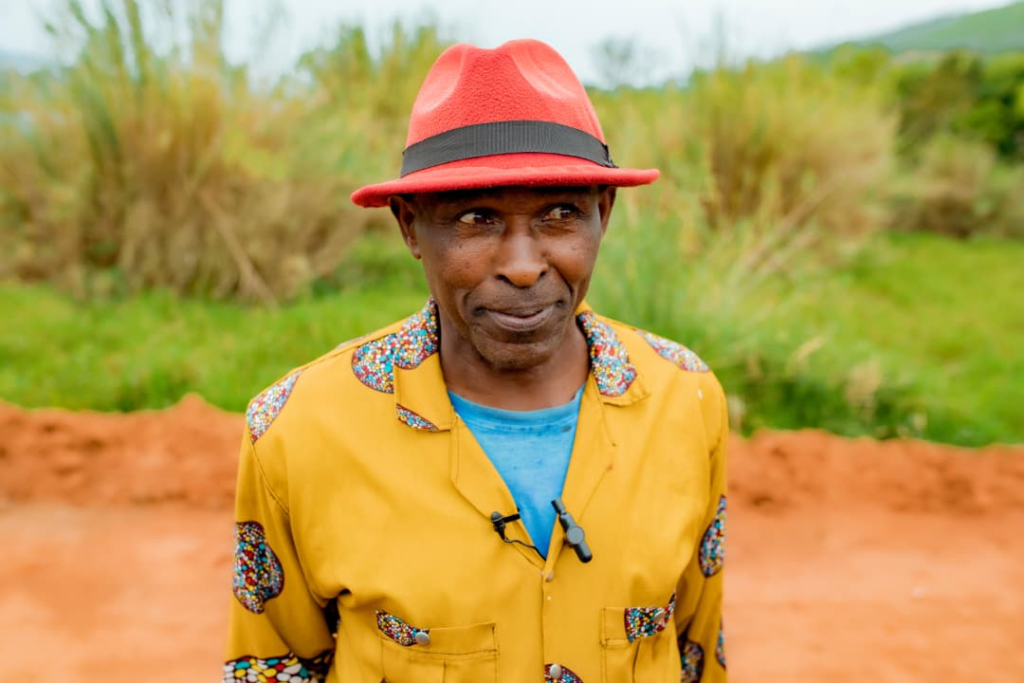
Sebazungu Alexandra, a farmer from the Cyarubare sector, is one of many who used to be terrified of debt. He explains that he was too scared to borrow money because he wasn’t sure if his crops would grow. However, the training from KIIWP-2 taught him how to research the market and find buyers before he even started planting.
“Before, I could not risk taking a loan because harvests were not reliable. Now, after I took the KIIWP-2 training, I gained my confidence. In the training, there is a part about planning for the market where they trained us on how to go to the market. There are people who are responsible for loans to give to farmers now. Banks like the SACCO changed their mindset about agriculture loans; they give a low interest rate. After that, I went to the bank, got a loan, and invested in more inputs. They gave me the money to take water to the house by buying a tank so that I can use it in my farming. I repaid it without problems.” He said
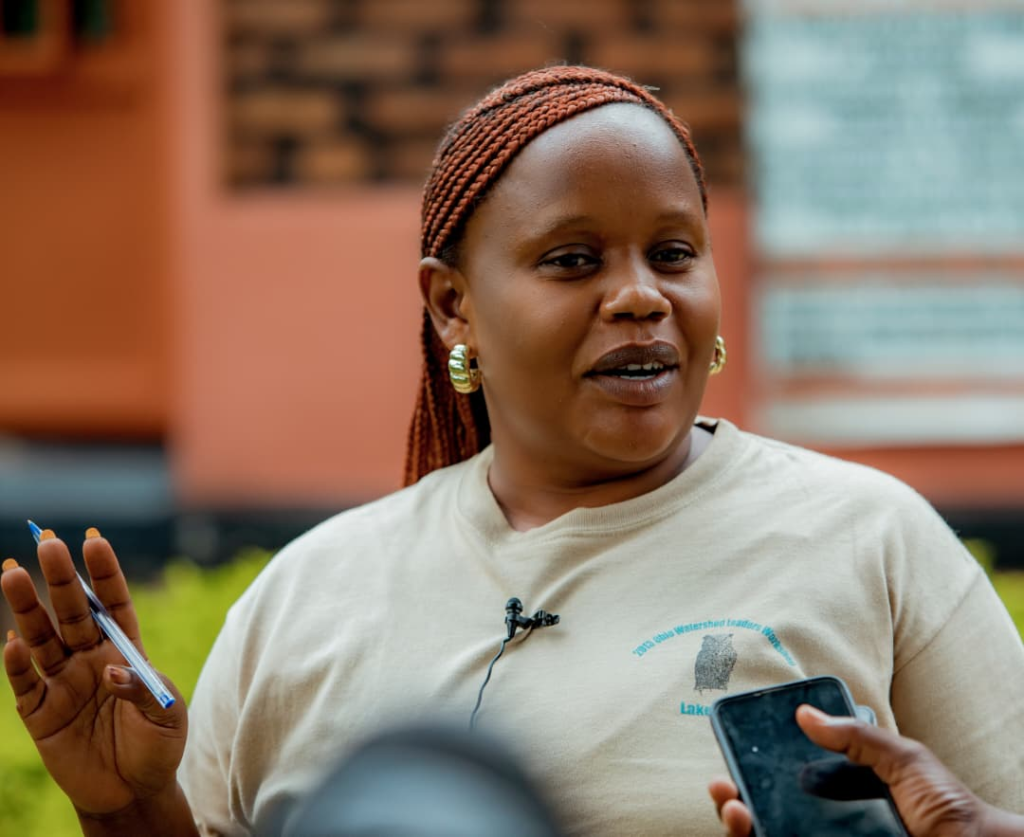
Banks are also training their own staff to understand the farming business better. Uwamahoro Theodosius, a loan manager at the SACCO Twifatanye Rwinkwavu, explains that the project helped the bank learn how to look at a farmer’s business plan and offer advice to make it even more successful.
“Before, farmers came without clear plans. Now they show us production records and cooperative support. KIIWP-2 also trained us on how to revise every business plan, and when the farmers come with a plan, we advise them on how to improve it so it will profit them. This gives us confidence to lend them money because we trust it will come back. Also, KIIWP-2 gives farmers a contribution in their project to help pay their loans in order to encourage them to dare to come to the bank.” She said
Financial Support and Insurance
Jean de Dieu Rudacogora, a finance specialist for the project, explains that KIIWP-2 wants to make sure farmers are protected even if the weather is bad. They encourage farmers to get insurance so they don’t lose everything if there is a drought. They also provide direct financial grants to help people buy expensive equipment.
If a young person or a woman wants to start a project using agricultural technology, the project pays for 70% of the cost. If it is a man over 30 years old or a large cooperative, the project pays for 50%. This makes it much easier for farmers to get started and grow their businesses.
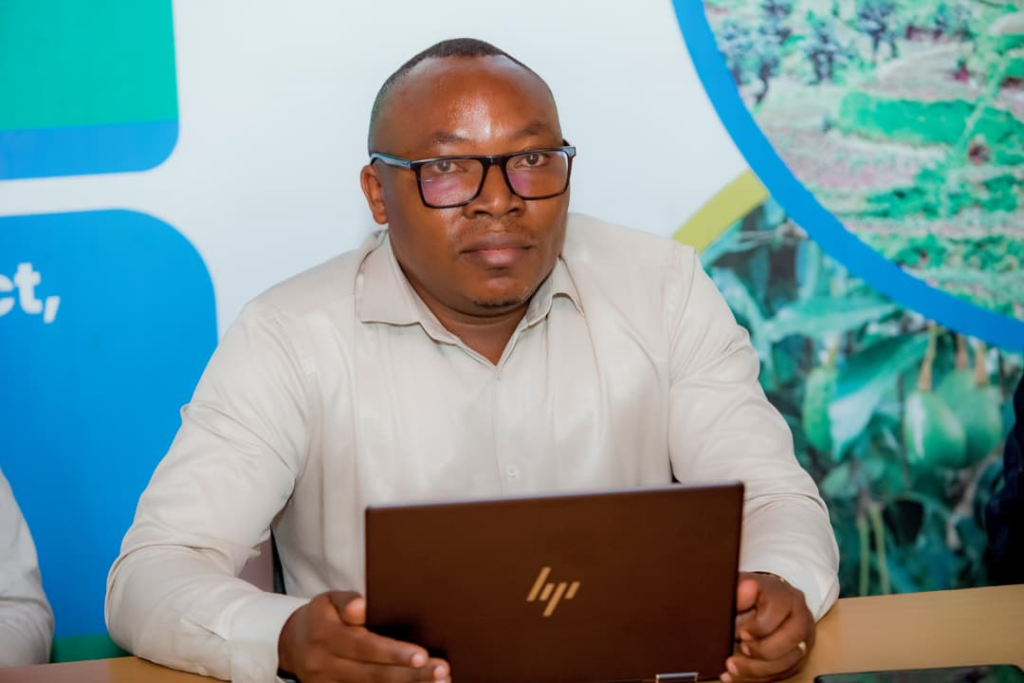
“If a person wants to do advanced farming using technology, we support them and give them a grant. For example, if you want to put an irrigation system in your field or use machines for farming, if you are a youth or a woman, we give you 70% of the money you need for your project. If you are a man or a cooperative, we give you 50%. We do all of this so we can continue to develop agriculture so that people see it as a business.” He said
KIIWP-2 is a partnership between the Government of Rwanda and the International Fund for Agricultural Development (IFAD). It is managed by the Ministry of Agriculture and Animal Resources (MINAGRI) through the Rwanda Agriculture and Animal Resources Development Board (RAB).
TCN || The Comments News