In Mwiri Sector, located in Kayonza District, farming was once a daily struggle. The sun was hot. The rain was not reliable. Many farmers worked very hard but harvested very little. Hunger was common, especially during dry seasons. Income was low, and families could not plan for the future.
Everything began to change when the Kayonza Irrigation and Integrated Watershed Management Project Phase II (KIIWP-2) started supporting farmers in the area.
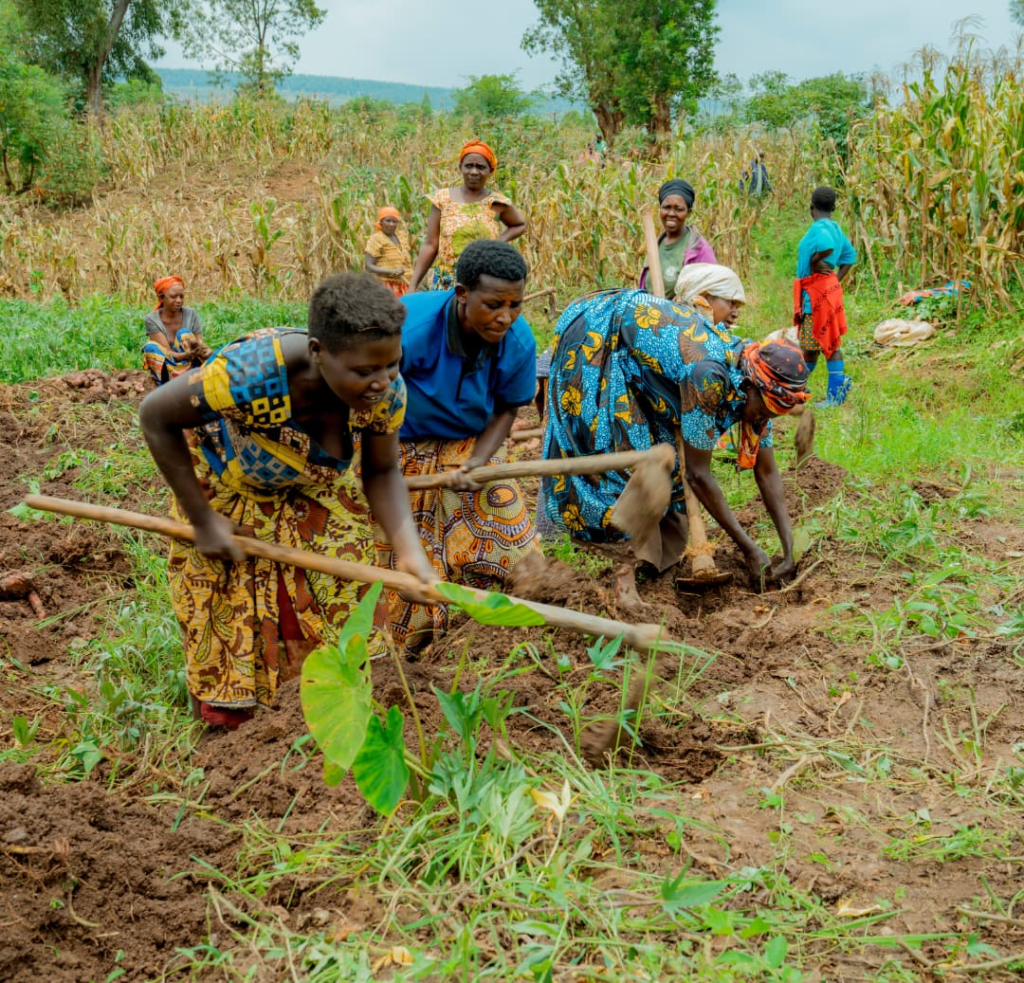
One Example is the KOPUAIM Cooperative in Nyamugari Cell. The cooperative has 253 members and farms 17 hectares of land. They grow maize, beans, soya, and sweet potatoes.
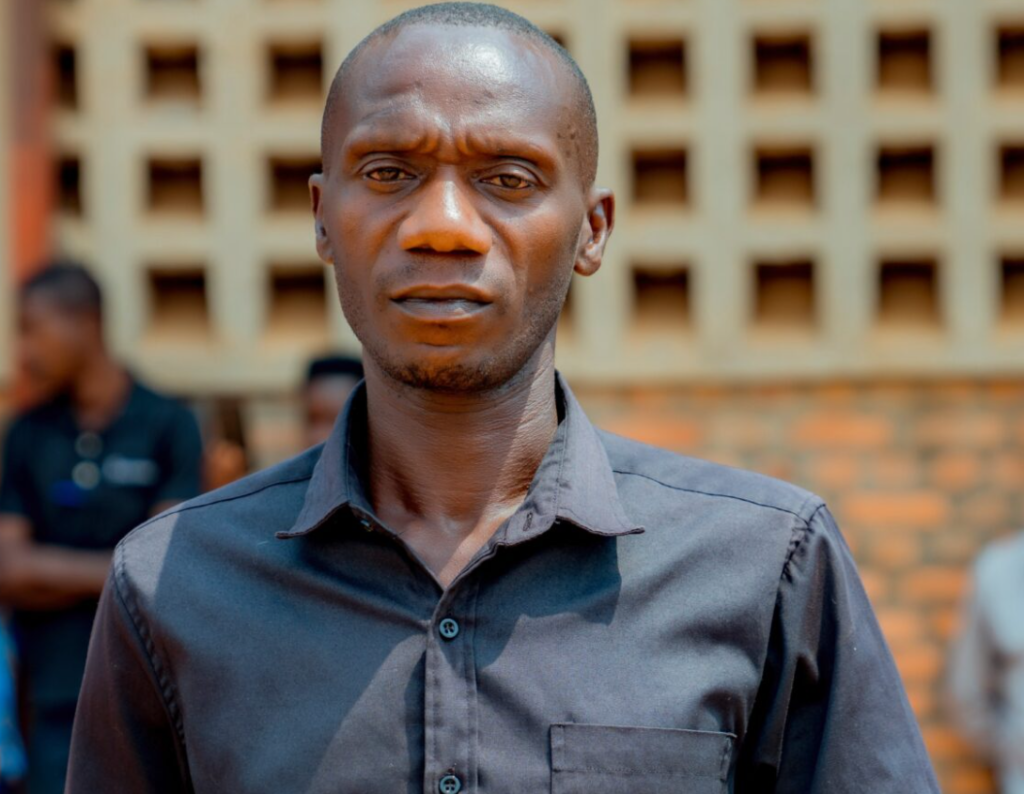
Sylvestre Ntagasanzwe, President of the cooperative, remembers the past.
“For many years, our biggest problem was the market, sometimes after harvest, we could not find buyers. Other times, we sold at very low prices. Even when we harvested well, we did not earn enough. We were always worried.” He said
Before KIIWP-2, they harvested about 1.8 tons of maize per hectare. They used traditional methods and did not have improved seeds or enough fertilizer.
“We were farming without proper knowledge; we did not treat farming as a business.” Ntagasanzwe says
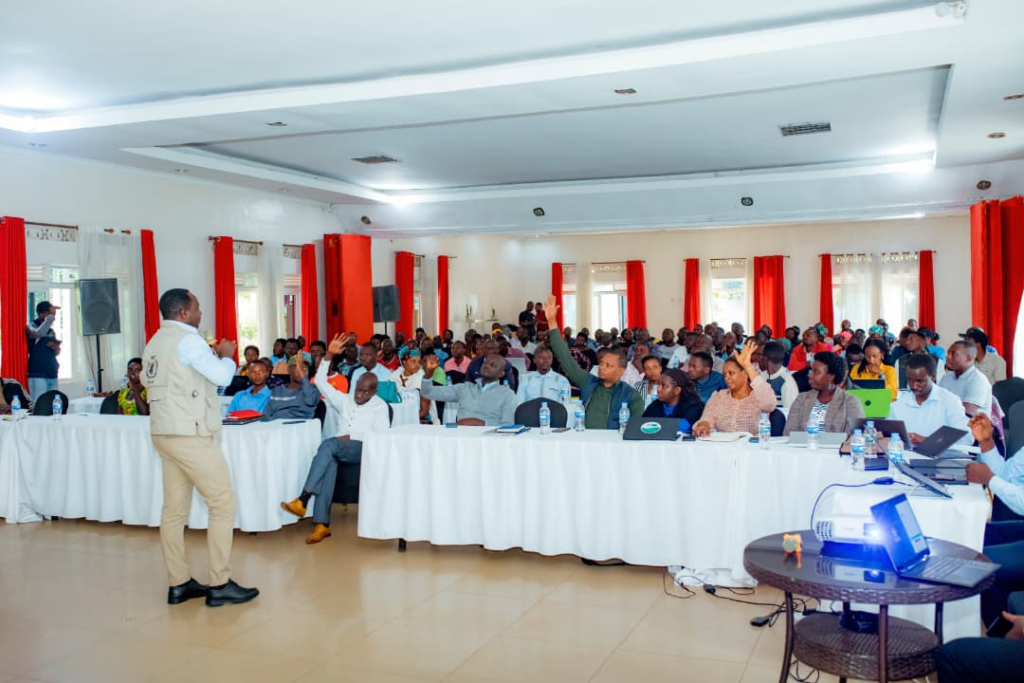
When KIIWP-2 arrived, members received training in modern agriculture. They learned proper land preparation, timely planting, correct fertilizer use, and business skills. They also received improved seeds adapted to local climate conditions.
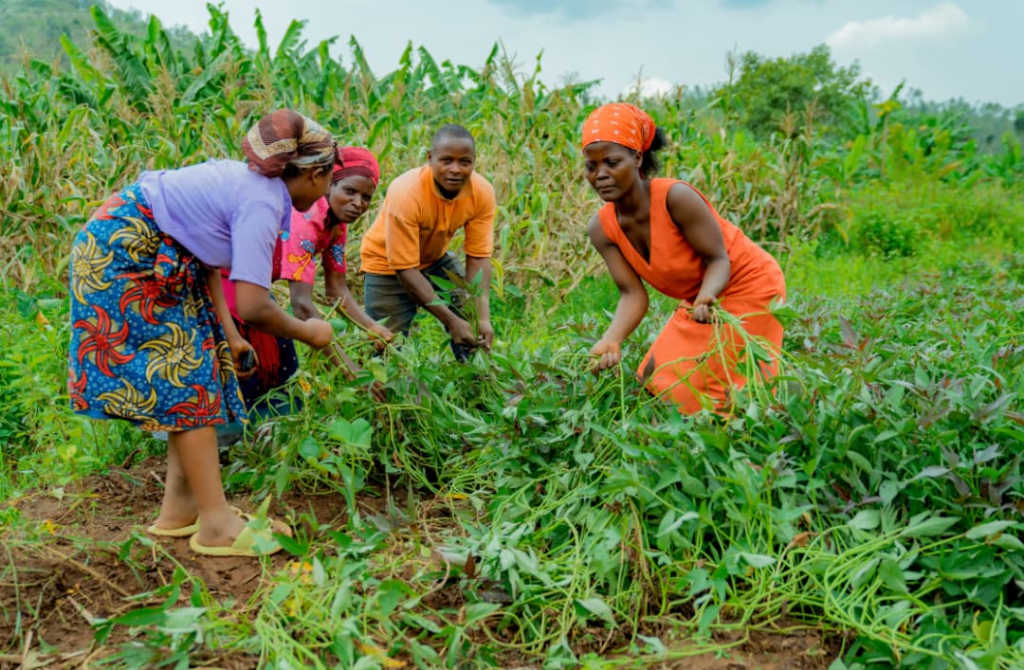
As result Today, they harvest at least 2.5 tons of maize per hectare, even after dry seasons. In good seasons, yields reach 4.5 tons per hectare.
“With this increase, I have paid school fees for my children, bought small livestock, and renovated my house, agriculture is now my profession. It gives me stability.” Ntagasanzwe says
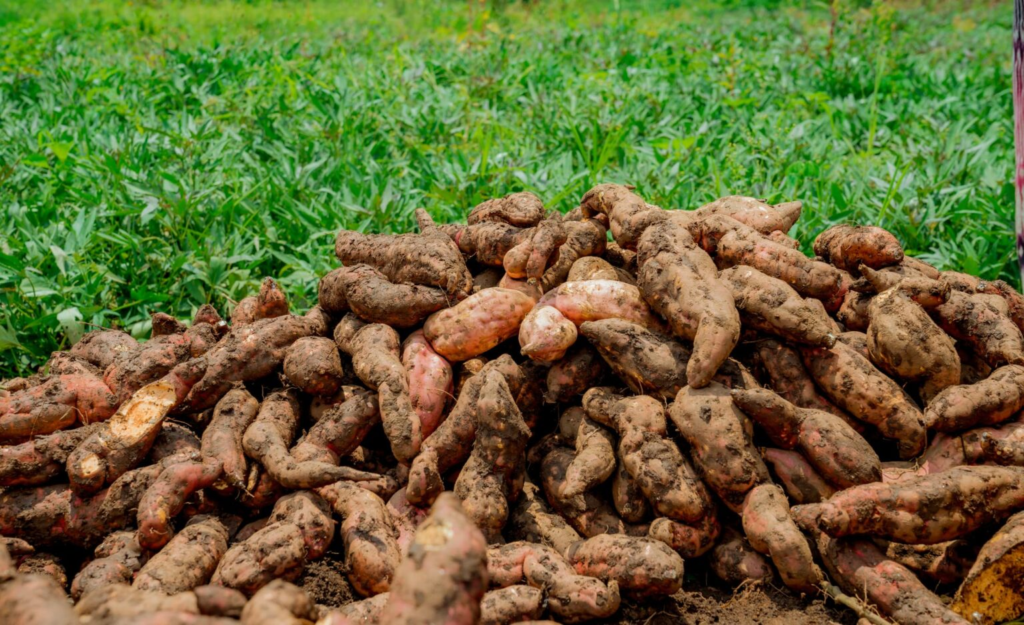
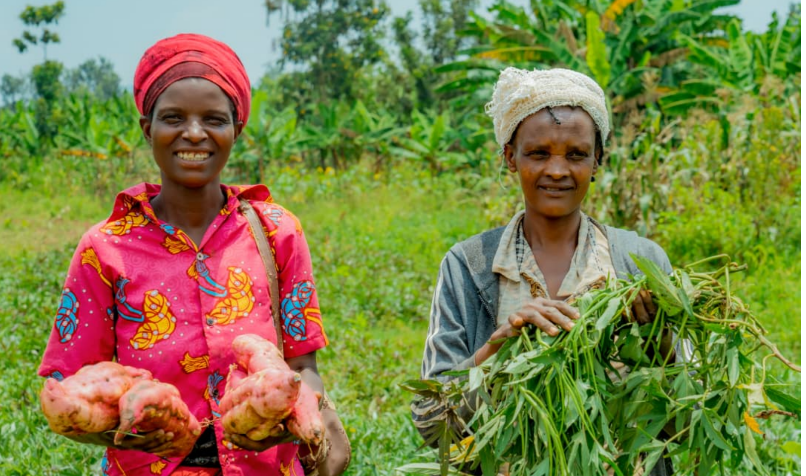
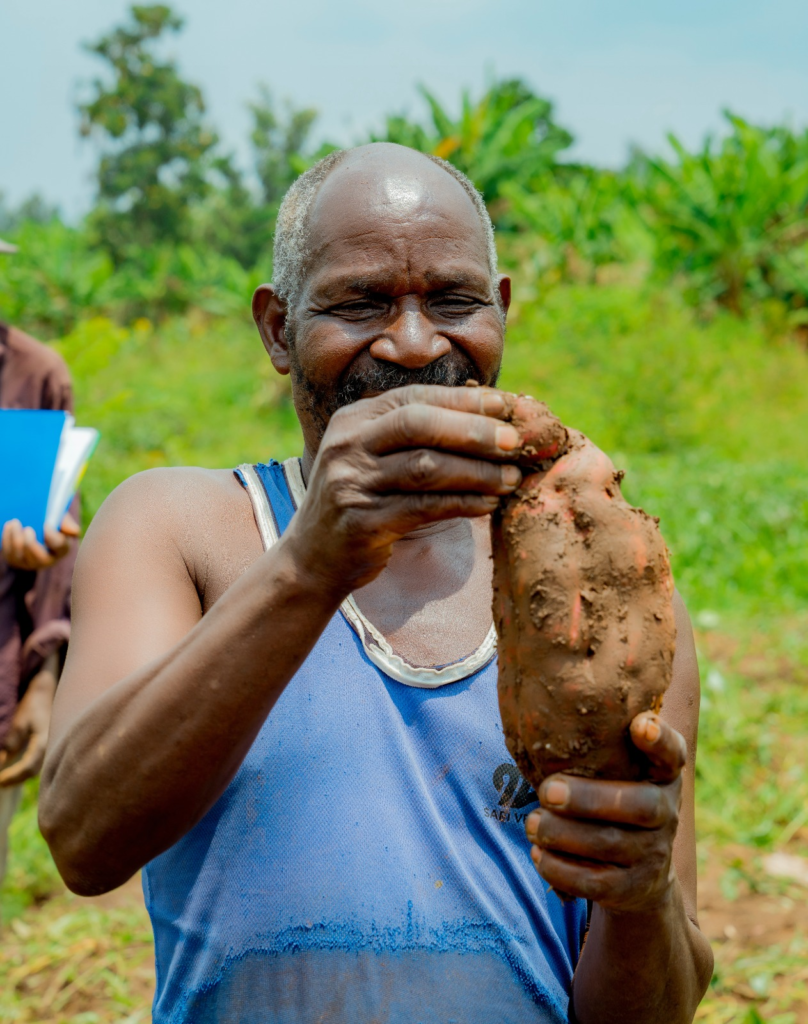
Sweet potatoes brought another major change. For the first time, the cooperative began multiplying improved sweet potato vines on two hectares. They now sell each bundle at 1,500 Rwandan francs. Fresh sweet potatoes sell at 300 francs per kilogram.
Yankurije Gratsia, a cooperative member, explains the difference.
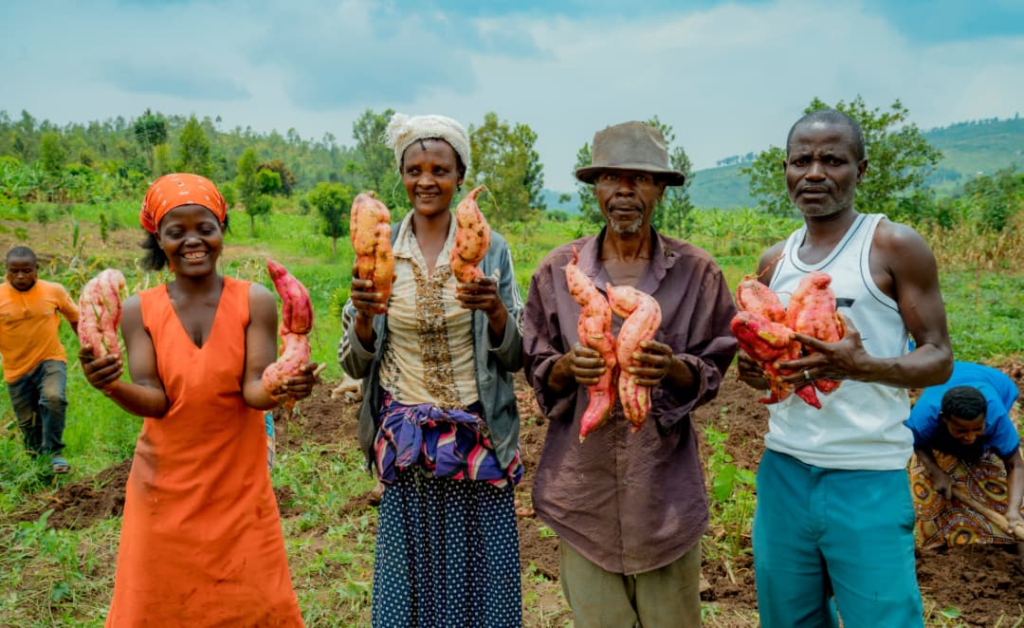
“In the past, we planted sweet potatoes in a traditional way. We harvested many small potatoes with little value. Sometimes we did not have enough food, now we plant correctly. One cutting can produce up to five kilograms of good potatoes. This is the first time we have seen such a harvest. Hunger is gone.” She said
Mukunde Florence, a farmer from Gasarabwayi Village, also shares her experience.
“Before KIIWP, a big heap of sweet potatoes could sell for only 200 francs, today, one kilogram sells for 300 francs. I can now improve my house and support my family. I finally see a future.” She said
Tombola Pierre a Famer adds, “We used to grow local varieties like Gahungezi and Wadada, which produced very small tubers. Now we use improved seeds. Farmers from other areas come to buy vines from us. Even at my age, I feel confident about my life.”
The cooperative also created an internal support fund. Members who face financial problems can borrow money and repay later.
“At the end of the year, around March, we review our profits, even if the profit is small, every member receives something. We grow together.” Ntagasanzwe explains
According to Jean de Dieu Rudacogora, Access to Finance Specialist in the project, KIIWP-2 aims to build long-term resilience.
“We want farmers to be strong and independent, through matching grants, we support irrigation, storage, and processing equipment. This reduces post-harvest losses and improves market access.” He said
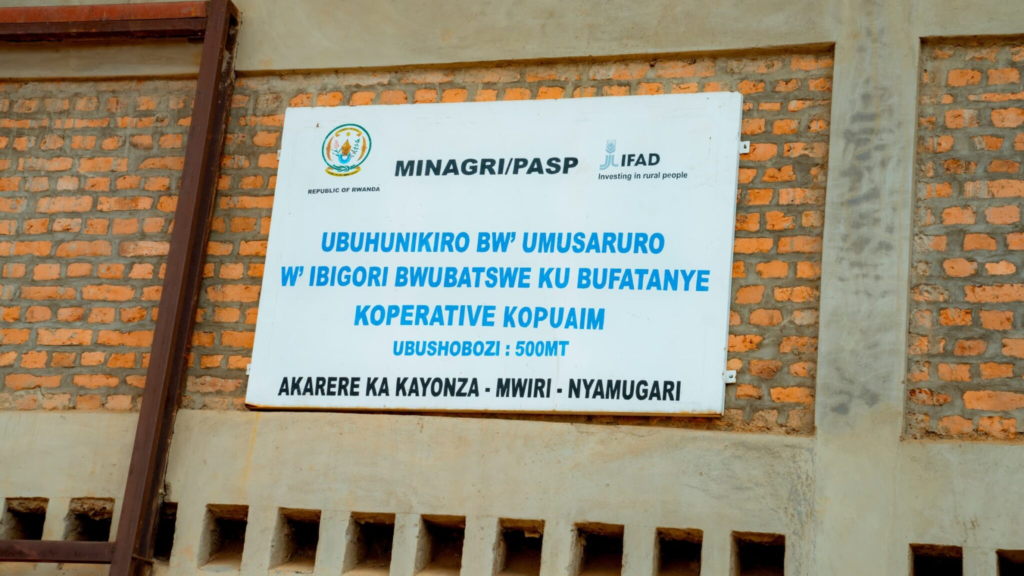
KIIWP2 is a project jointly implemented by the Government of Rwanda in partnership with the International Fund for Agricultural Development (IFAD), through the Ministry of Agriculture and Animal Resources (MINAGRI), and implemented under the Rwanda Agriculture and Animal Resources Development Board (RAB). The project plans to build 55 storage facilities, supply four mechanical dryers, and construct three small processing plants to strengthen farmers’ ability to store and sell their produce at better prices.