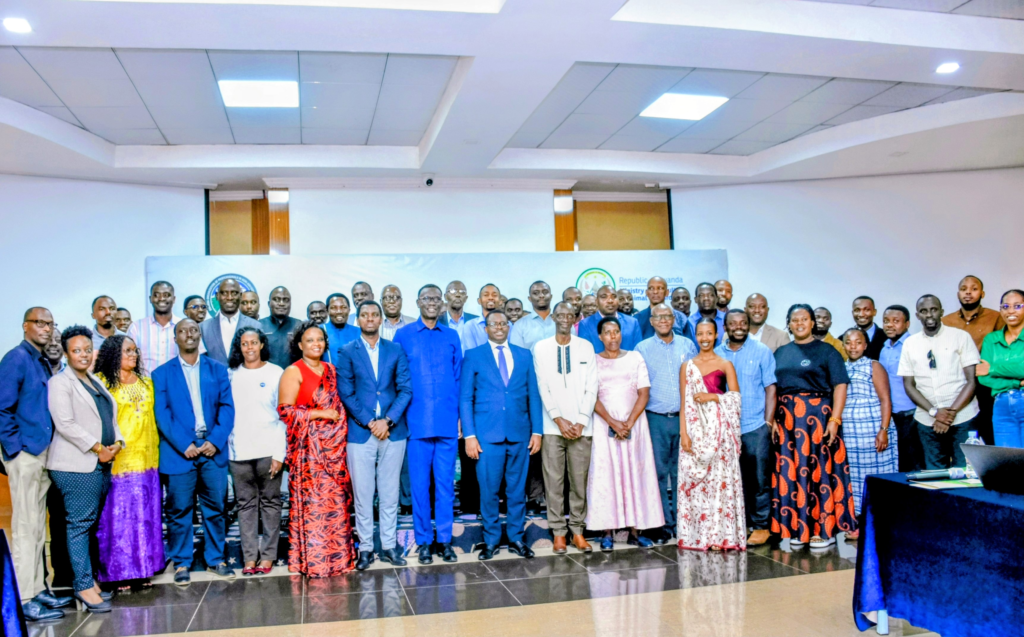
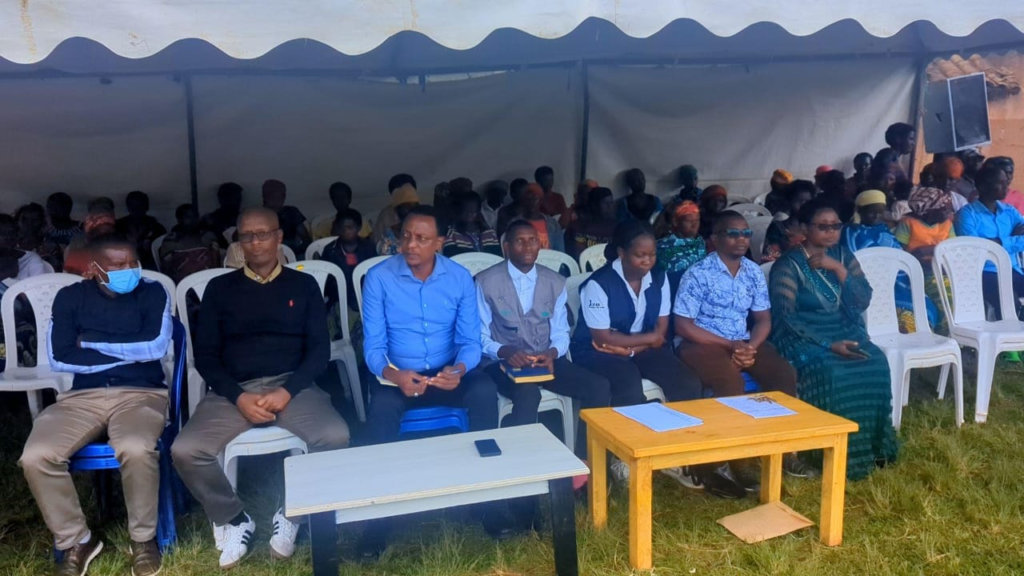
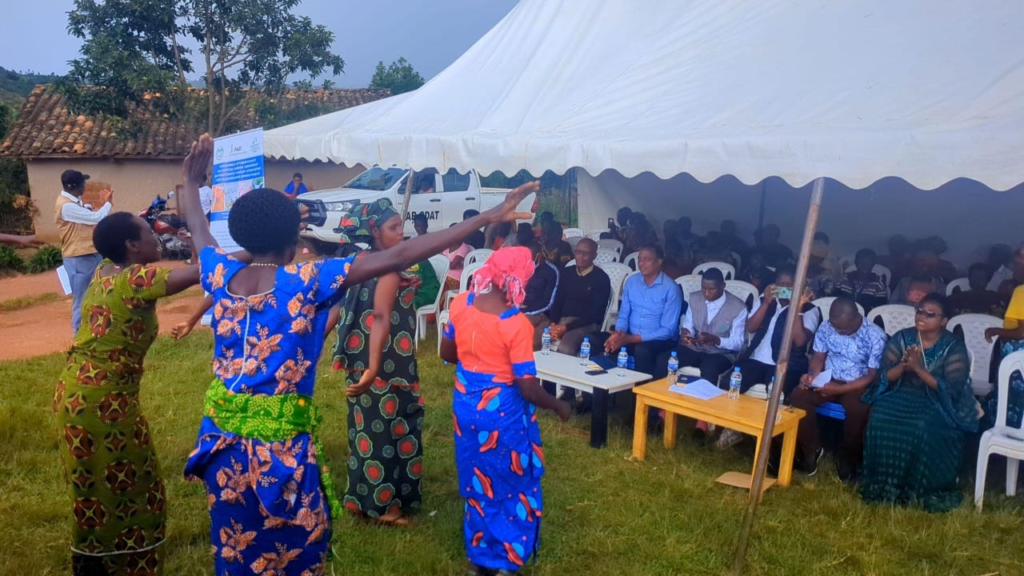
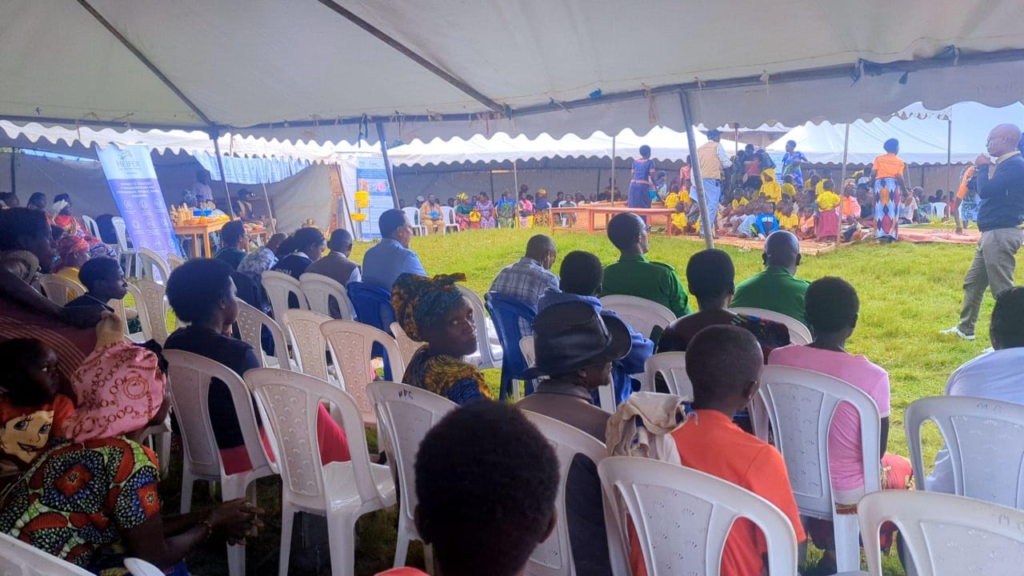
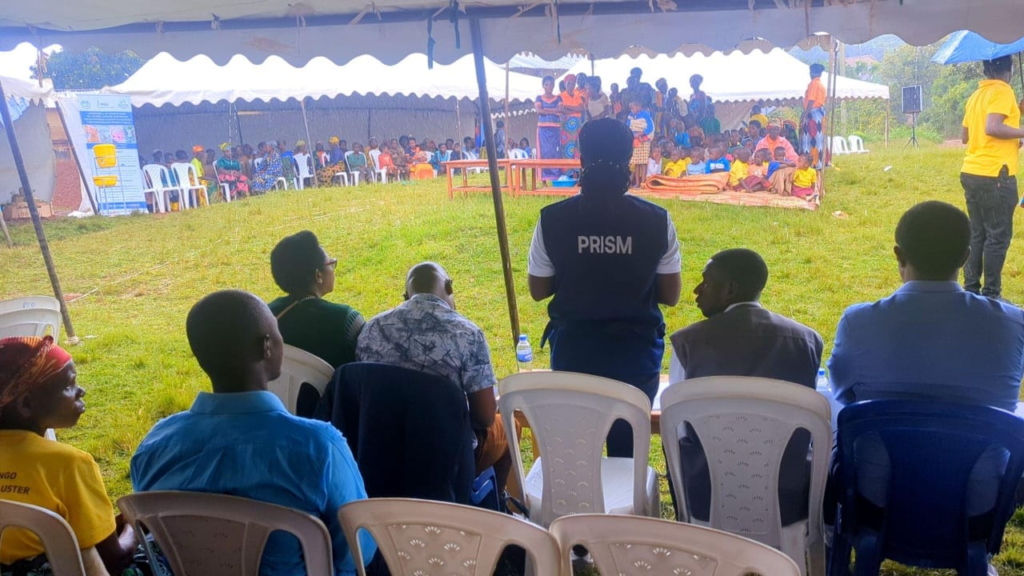
In Huye District, Gishamvu sector, families that once faced daily challenges in accessing nutritious food are now living healthier lives. At a recent community event that brought together residents, local leaders, and development partners, many praised the PRISM program for helping fight malnutrition through increased access to and consumption of animal-source foods such as eggs, milk, and meat.
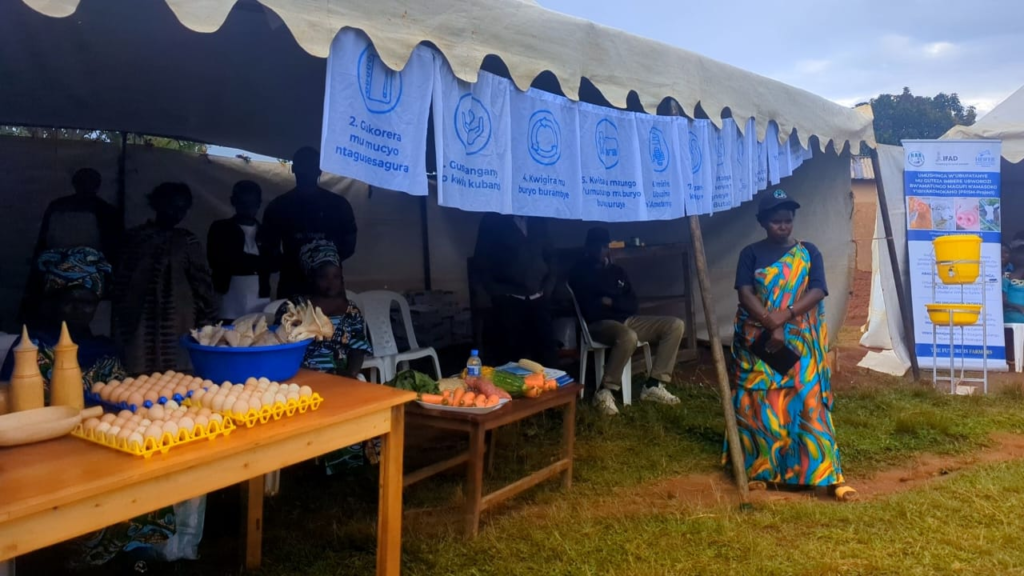
The event, held on March 31, 2026, was part of a nutrition awareness campaign promoting the consumption of animal-source foods as a pathway to healthier families and stronger livelihoods. Organized by the Rwanda Agriculture and Animal Resources Development Board (RAB) under the PRISM programme ( Partnership for Resilient and Inclusive Small Livestock Markets ) the campaign is implemented in partnership with The International Fund for Agricultural Development (IFAD), Enabel Belgium, Heifer International, and VSF Belgium.
The initiative aims to fight malnutrition by increasing access to nutrient-rich foods such as eggs, milk, and meat, which are essential for child growth and overall health.
From livestock to better nutrition
The campaign focused on changing how communities think about food encouraging families not only to produce animal-source foods, but also to consume them.
Officials emphasized that malnutrition is not only caused by poverty, but also by lack of knowledge. Many families have historically sold eggs or milk while their children remained undernourished.
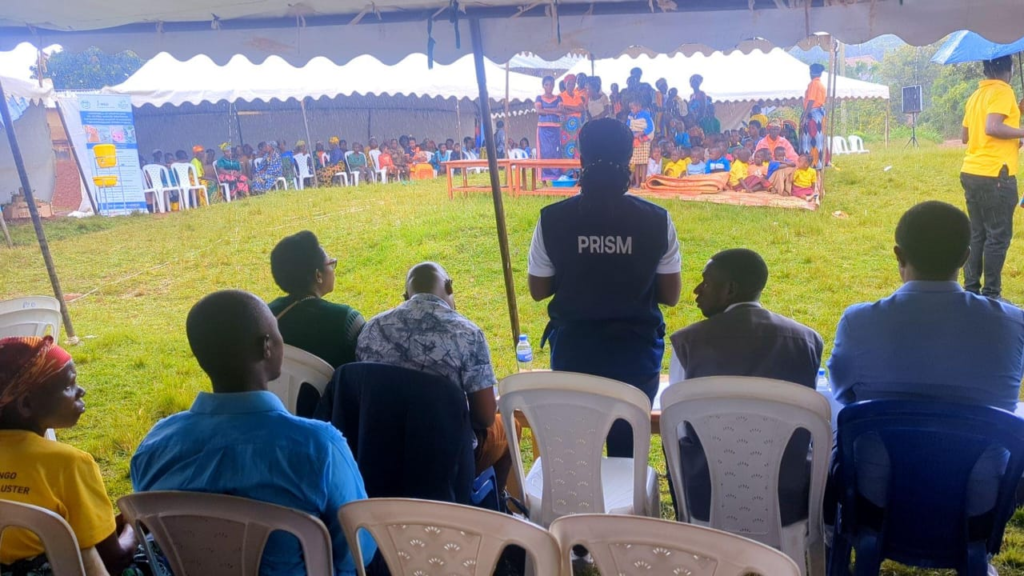
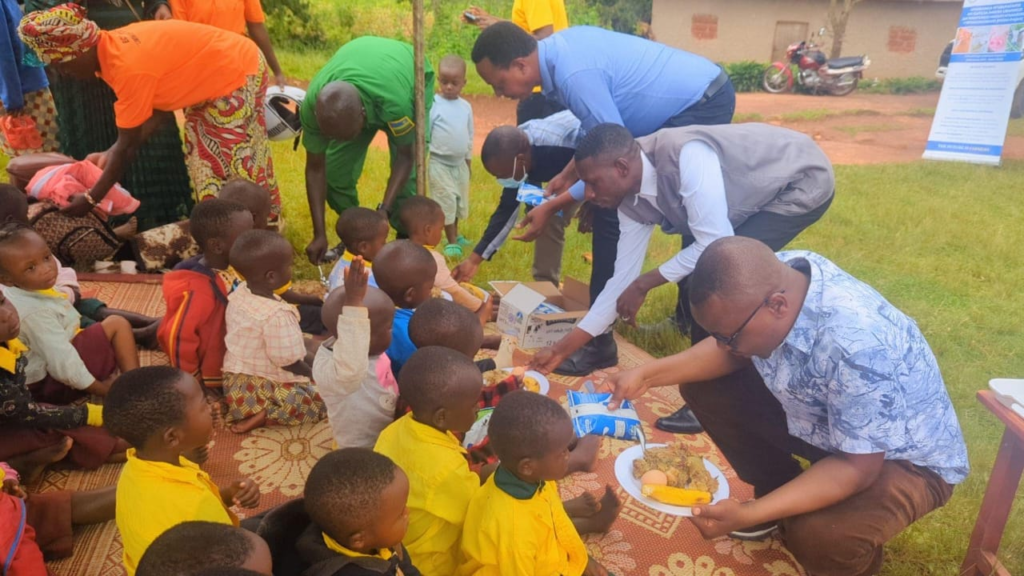
Through demonstrations, discussions, and testimonies, the event encouraged residents to adopt balanced diets that include animal proteins.
Farmers speak: from survival to stability
For many beneficiaries, the impact of the PRISM programme has been life-changing.
Sindayigaya Fulgence, a farmer from Nyakibanda Cell, shared how starting with just ten chickens transformed both his household income and nutrition.
He explained that after receiving the chickens, he followed training provided by the project, multiplied them, and passed some on to other community members through the programme’s “pass-on” system. Over time, he expanded his flock to 50 chickens and began earning income from sales.More importantly, his family’s diet improved.
“Before, my children could not eat eggs or even a balanced meal. But now they eat eggs regularly, and I can provide other nutritious foods. This has helped us fight malnutrition in my home,” he said.
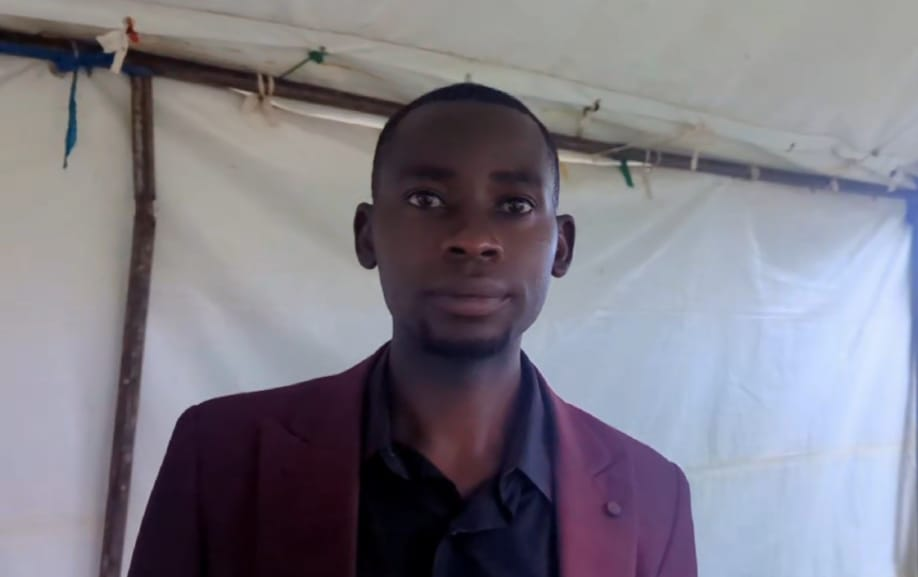
Fulgence stressed that the knowledge he gained was just as valuable as the livestock itself.
“PRISM did not only give me chickens; it gave me knowledge. I learned how to farm, how to feed my animals, and even how to think like a business person. Today, I can support my family and even pay for health insurance,” he added.
He further explained how the training changed his mind set. “Before the project came, we were used to raising only two or three chickens. But after receiving training, it opened our minds and helped us understand that we can even become entrepreneurs through livestock farming.”
Women gain confidence and improve family health
Another beneficiary, Uwineza Christine, described how the programme helped her move from extreme vulnerability to confidence and self-reliance.
She received chickens, goats, and farming support, which enabled her to improve both her income and her children’s nutrition.
“Before, my children were not eating well, and I did not know how to prepare a balanced diet. Now I can cook eggs, vegetables, and mix foods properly. My children are healthy,” she said.
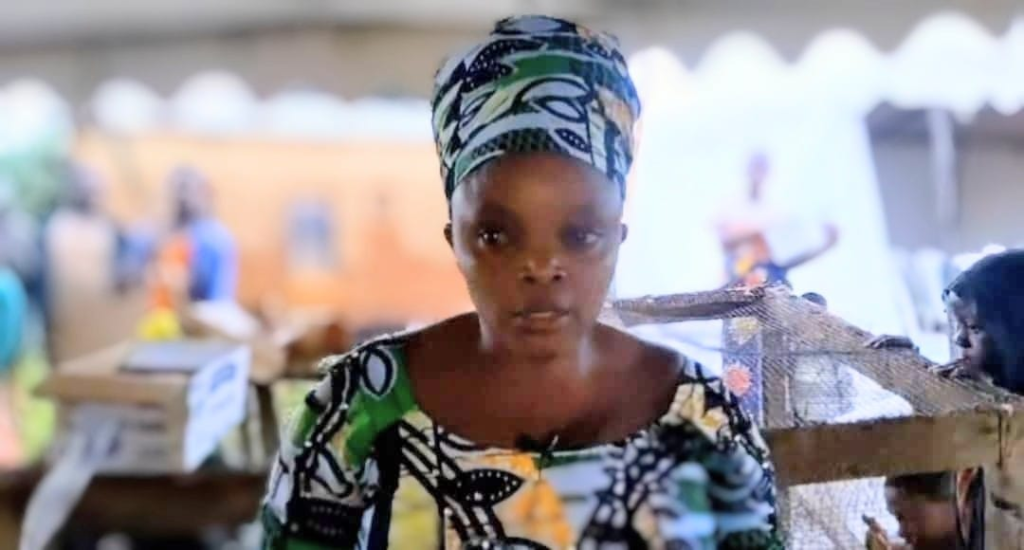
Uwineza also highlighted a major shift in her mindset regarding kitchen gardens.
“I used to think having a kitchen garden was a waste of land. But now I cannot live without it. It helps me feed my family balanced diet food every day,” she added.
Leaders highlight nutrition gains
Local authorities say the programme is already contributing to measurable improvements in nutrition across the district.
Rutayisire Gilbert, Head of Agriculture, Livestock and Natural Resources in Huye District, said the campaign is part of a broader effort to encourage families to consume what they produce.
“This campaign aims to encourage parents not only to produce food but also to consume animal-source foods such as meat, milk, and eggs,” he said.
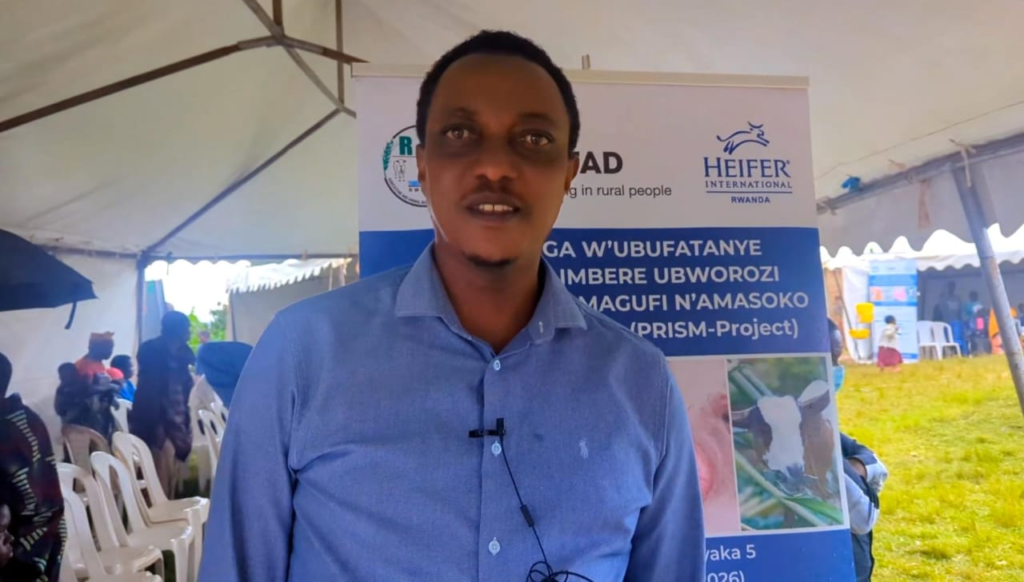
He added that the results are visible, and while they are not yet sufficient, the progress shows that even greater impact can be reached.
“We have seen real change. Stunting in our district has reduced from around 19% to about 15.3%. This progress comes from initiatives like PRISM that combine livestock, agriculture, and nutrition awareness. While this shows that even greater impact can be achieved, we still have more work to do we cannot say this is enough.” he explained.
He emphasized that behavior change remains key to long-term success.
“In the past, some people believed eggs or milk were only for the wealthy. Today, communities understand their value and are using what they produce to improve their diets,” he added.
He also called on beneficiaries to continue sharing livestock and knowledge with others:
“We ask all beneficiaries to continue passing on animals and skills so that more families can benefit across the sector and beyond.”
Changing mindsets, building resilience
Programme implementers say one of the biggest achievements has been changing long-held beliefs about nutrition.
Xavier Nzayisenga, a project Manager for RAB -SPIU in Gisagara and Huye Districts
explained that awareness campaigns like this one are essential.
“People used to sell milk and eggs while their children lacked proper nutrition. Through this campaign, we are helping them understand that these foods are essential for their families’ health,” he said.
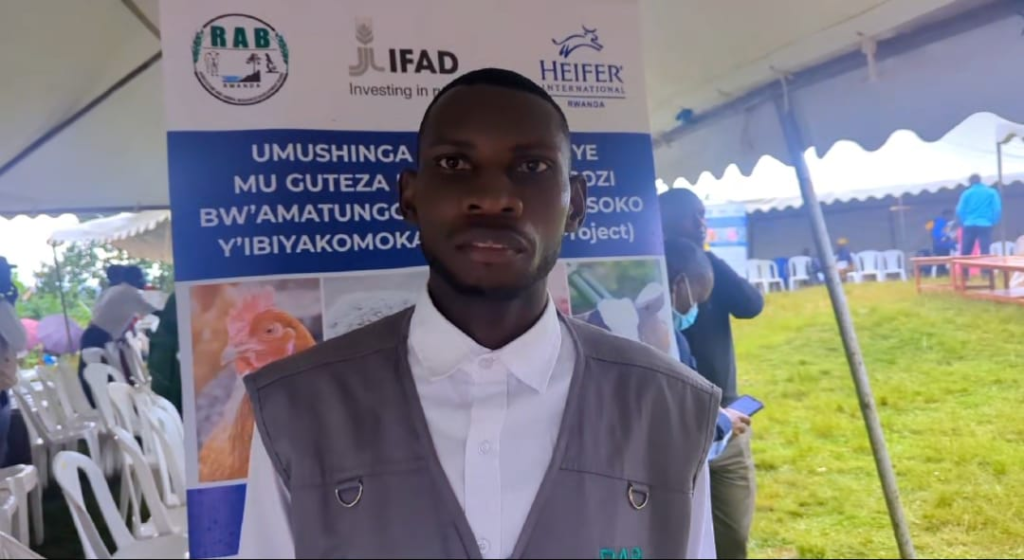
He added that the programme focuses on long-term impact.
“The goal is not just to give animals but to build a system where communities continue sharing, learning, and improving their lives even after the project ends,” he noted.
A programme reaching thousands
Over the past five years, the PRISM project has been implemented in five sectors of Huye District, including Gishamvu, Karama, Kinazi, Ruhashya, and Rwaniro.
Through livestock distribution and a “pass-on” system, the project has expanded its reach significantly.
More than 1,073 goats were initially distributed, with over 1,140 additional goats passed on to new beneficiaries. Similarly, 154 pigs were first distributed, followed by 163 more shared within communities.
Thousands of chickens have also been distributed, continuing to multiply among farmers.
Beyond livestock, the programme has strengthened nutrition through kitchen gardens, distributing over 2,420 fruit tree seedlings to more than 740 farmers, along with vegetable seeds such as carrots and leafy greens.
As the first phase of the PRISM project nears completion, officials say plans are underway to expand its impact to more areas.
TCN || The Comments News