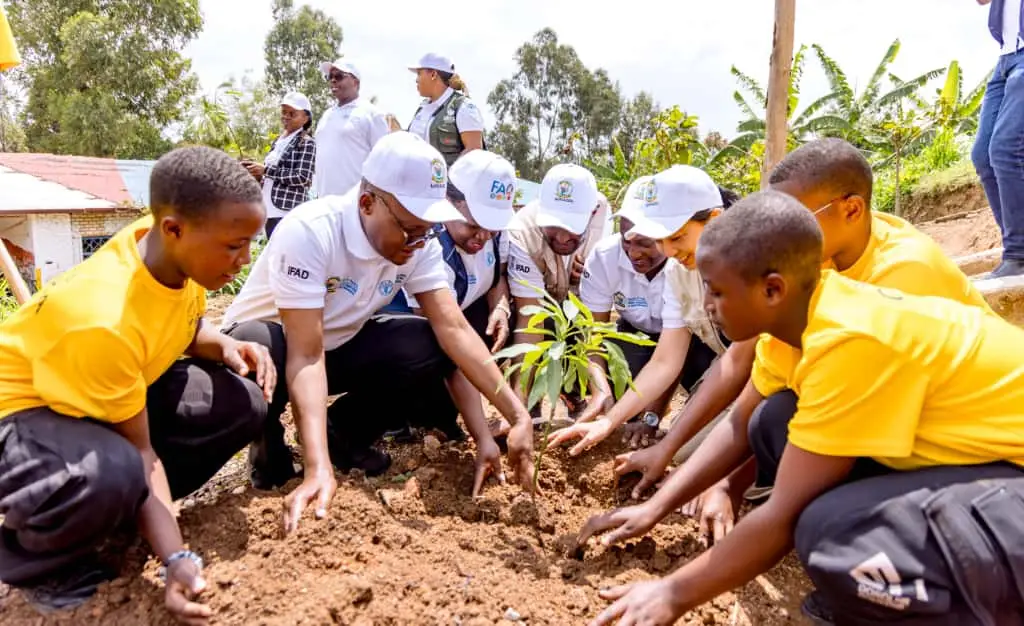
In Murundi Sector, Kayonza District, a group of farmers is turning waste into wealth all thanks to tiger worms. These worms are helping farmers produce faster, stronger fertilizer, boost their harvests, and earn money for their families.
What started as a small group by 23 community agriculture advisors, known locally as abafashamyumvire, has grown into a successful organic fertilizer business that is improving crops, fighting pests, and giving women financial independence.
Tiger Worms Make Fertilizer Faster
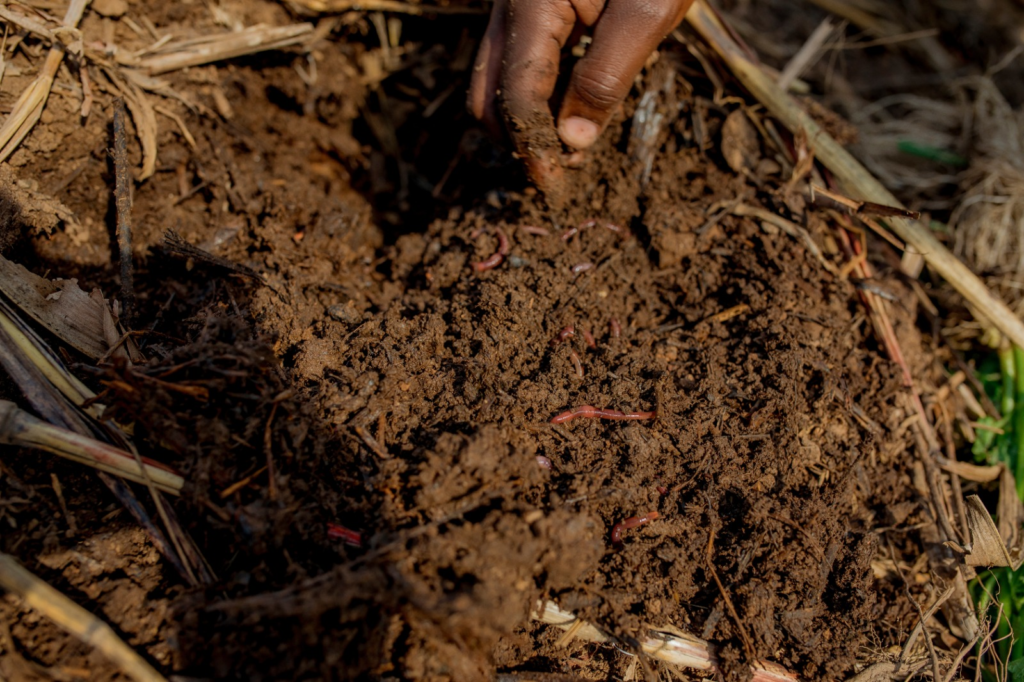
The farmers produce two types of organic fertilizer: traditional compost and vermicompost. Vermicompost uses tiger worms, which speed up the breakdown of household and farm waste, making the fertilizer richer and faster to produce.
Before using tiger worms, compost took four to five months to be ready. With vermicompost, farmers now have fertilizer in just two months.
Farmers collect biodegradable waste from homes, leftover crop materials, animal manure, ash, and dry grasses. They mix everything together and add tiger worms. These worms help decompose the materials quickly.
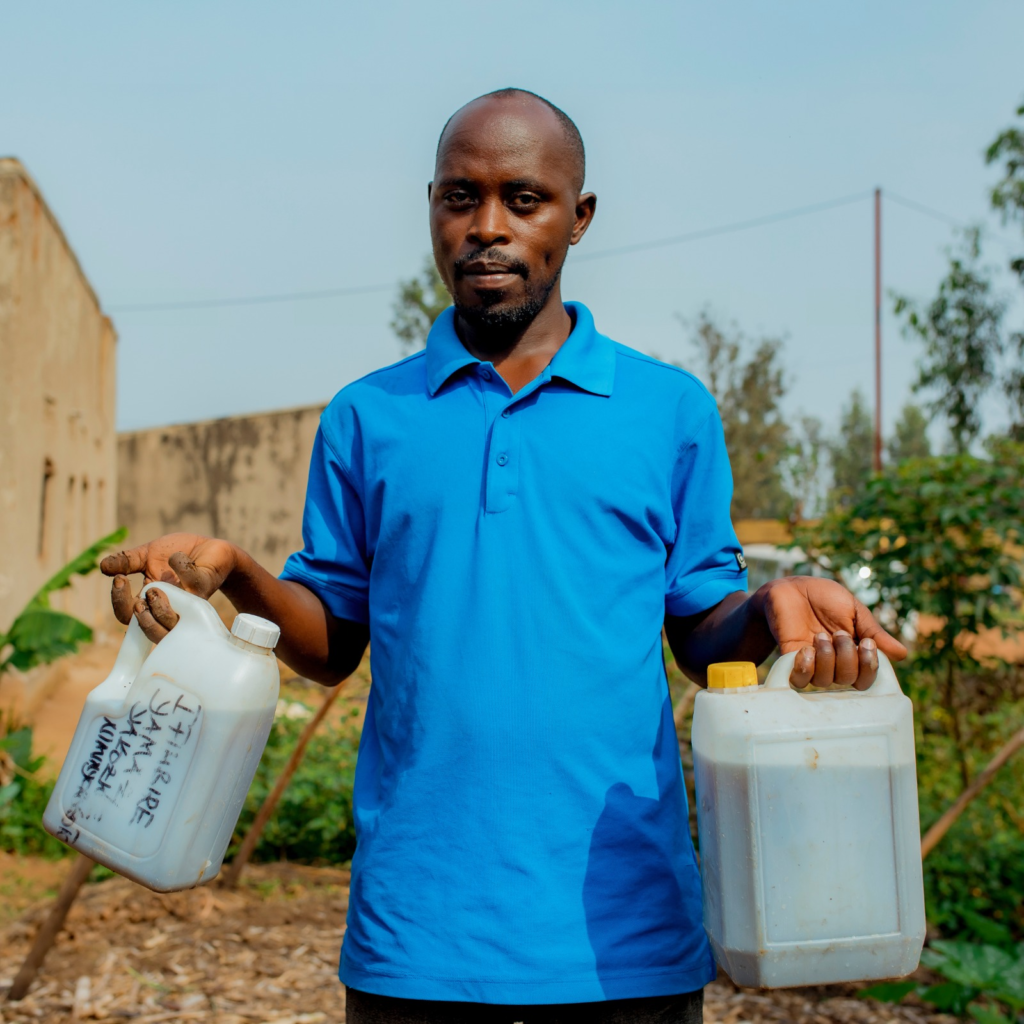
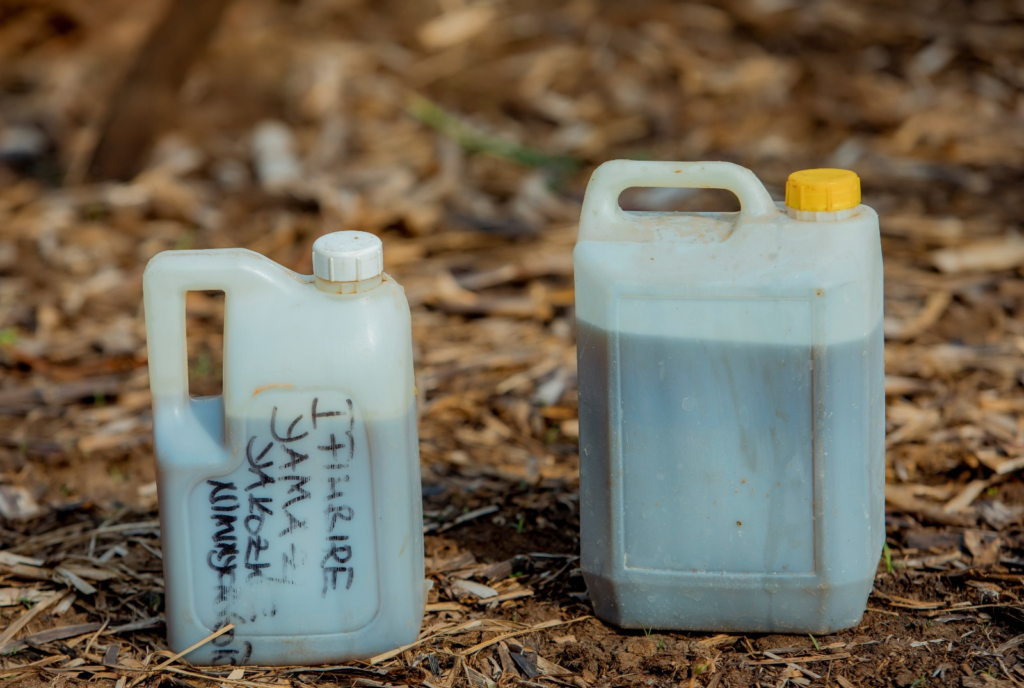
They also collect liquid fertilizer that drains from the compost. This liquid is highly nutritious for plants. Farmers mix one liter of the liquid fertilizer with two or three liters of water, depending on the crop, and pour it near the roots.
Each week, the group collects about 21 liters of liquid fertilizer from three containers. One liter sells for 500 Rwandan francs. In a month, the group earns at least 30,000 francs from liquid fertilizer alone.
In total, the farmers have already earned about 700,000 francs, which helped them buy land and build permanent structures for their project.
Pest Problems Solved
Pests were a major problem for farmers. A local pest called mukondo w’inyana used to destroy maize and potato fields. Poorly prepared compost attracted these pests because it was not fully decomposed.
Now, with vermicompost made with tiger worms, the compost is fully broken down and pests are greatly reduced. Crops grow stronger, healthier, and more resistant to disease.
Before using vermicompost, a farmer could harvest about 30 kilograms of maize from a 10 by 10-meter plot. Today, they harvest between 35 and 60 kilograms. Some farmers who once harvested 300 – 400 kilograms of maize now harvest more than one ton more than three times their previous yields.
Gilbert Kaberuka, the group president, explains:
“When we started, we only wanted to test if vermicompost could work. Today, we see clear results. Fertilizer is ready in two months instead of five. Our crops are stronger, pests are reduced, and harvests are higher. Some farmers now harvest over one ton of maize where they used to get only 300 kilograms. We earn money every season. Our goal is to expand production so every farmer in Murundi can access this fertilizer and improve their harvests.”
Women Gain Independence
The project has also brought financial independence to women.
Dativa, one of the members, shares:
“Before joining this group, I depended on my husband for everything. I could not even buy salt or soap without asking him. Today, I earn my own money. I no longer beg for small things. I buy what I need for my home and even clothes for myself. We harvest fertilizer every two months, so we get regular income. I have gained knowledge and confidence. Next year, I plan to start my own vermicompost project at home and employ neighbors. This project has given me a new future.”
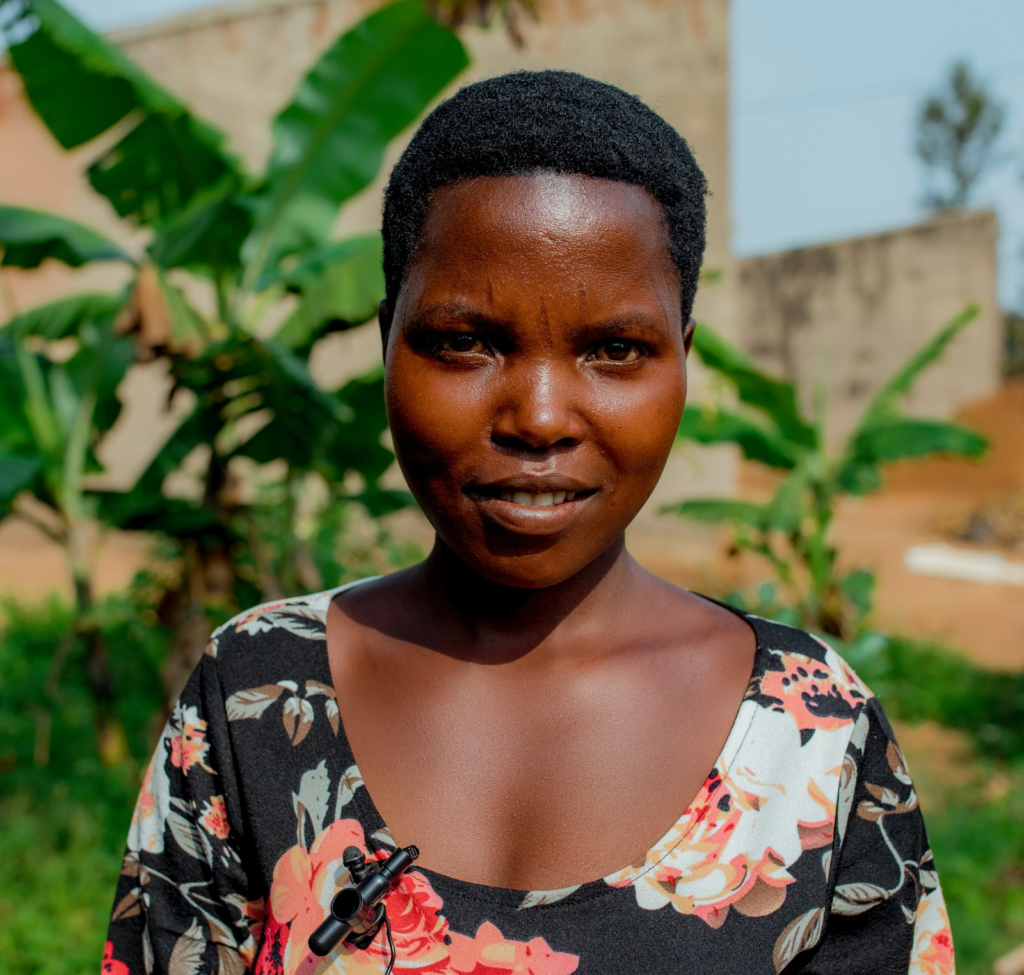
Many women in the group now contribute to family income, gain respect at home, and actively participate in farming decisions.
Investing for the Future
At first, the farmers worked on rented land. Later, using profits from fertilizer sales, they bought land worth 1.5 million francs and built permanent structures costing about 700,000 francs.
Members buy fertilizer at lower prices than outsiders. For example, if outsiders pay 250 francs per kilogram, members pay 200 francs. This reduces costs and strengthens the group business.
Demand for both compost and liquid fertilizer is increasing, but production is still limited. The group hopes to expand so more farmers in the area can benefit.
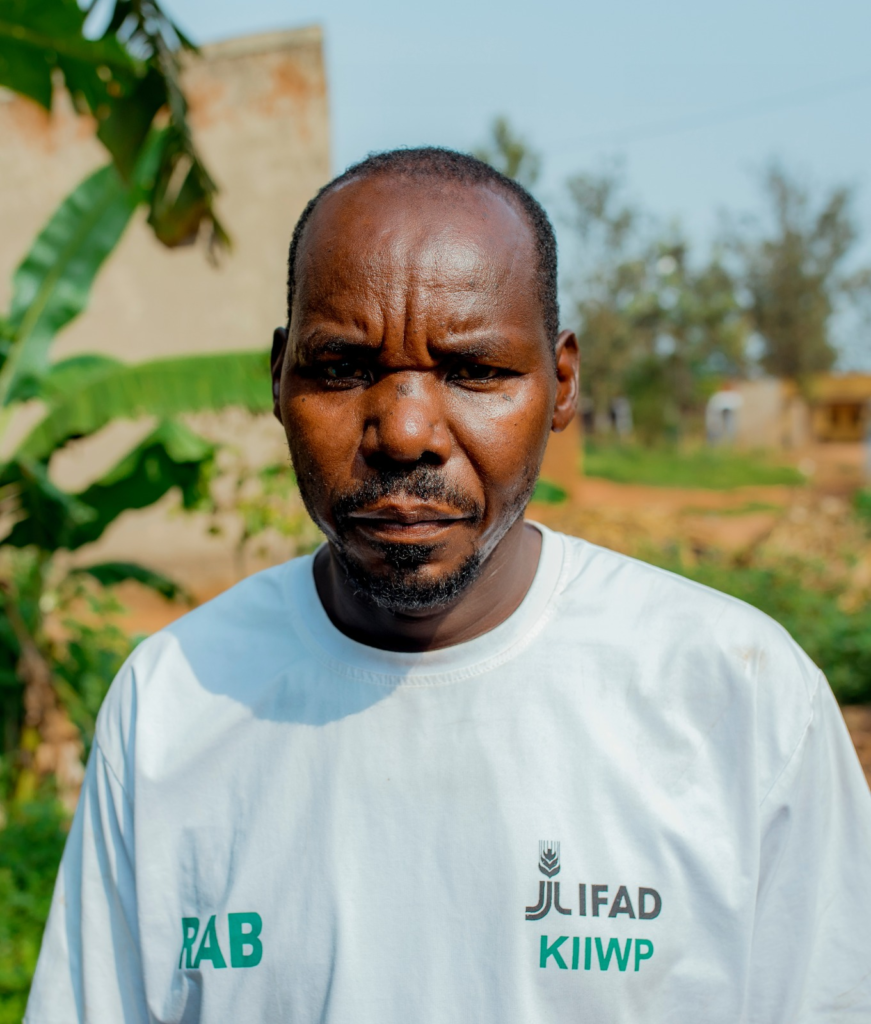
Faustin Tuyitonze, another group member, says modern farming methods learned during training also improved productivity:
“Before the training, we farmed without knowledge. We planted without planning, and our harvests were low. Now we plant in straight lines, use correct spacing, and farm at the right time. I used to harvest less than 500 kilograms of maize. Today, I can harvest close to one ton. The fertilizer strengthens crops and protects them from disease. We are proud to see real change in our lives.”
From Waste to Opportunity
Thanks to tiger worms, Murundi farmers are producing faster, stronger fertilizer, reducing pests, increasing yields, and earning money. What started as a small group has grown into a business that also creates jobs, empowers women, and teaches modern farming methods.
With continued support and increased production, the farmers hope their project will become a model for other communities across Rwanda.
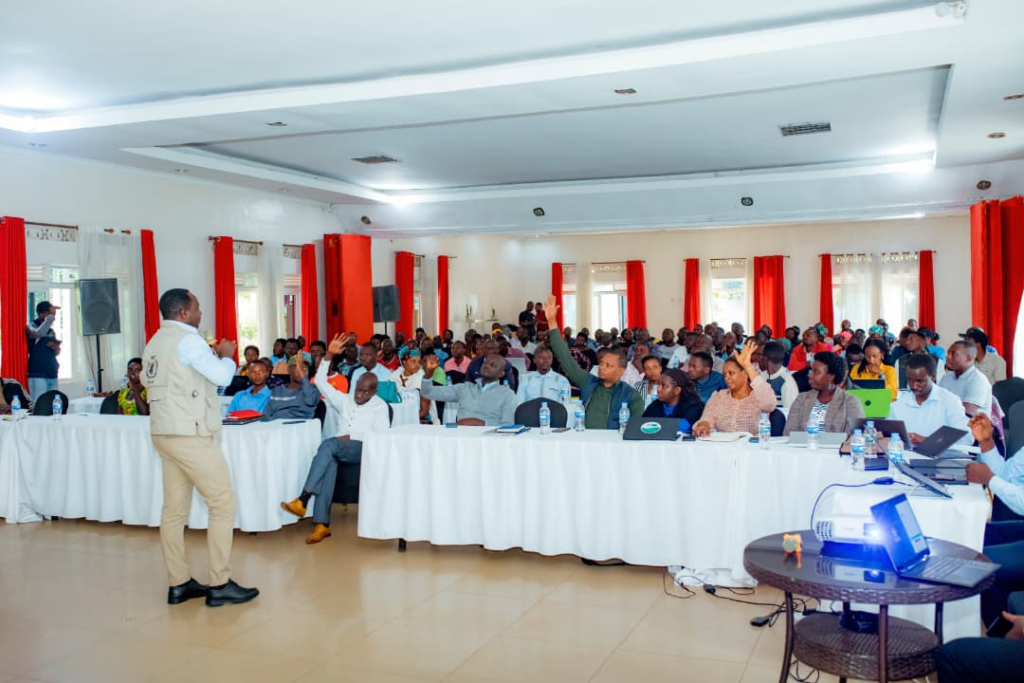
This success did not happen alone. The group received training through the Kayonza Irrigation and Integrated Watershed Management Project Phase Two known as KIIWP-2. KIIWP-2 is a partnership between The Government of Rwanda
and the International Fund for Agricultural Development IFAD, the project is managed by the Ministry of Agriculture and Animal Resources through the Rwanda Agriculture and Animal Resources Development Board RAB.
Through this support, farmers in Murundi learned How to plant in straight rows. How to plant at the right time. How to manage soil better. How to control pests and how to work together in Farmer Field Schools.
TCN || The Comments News