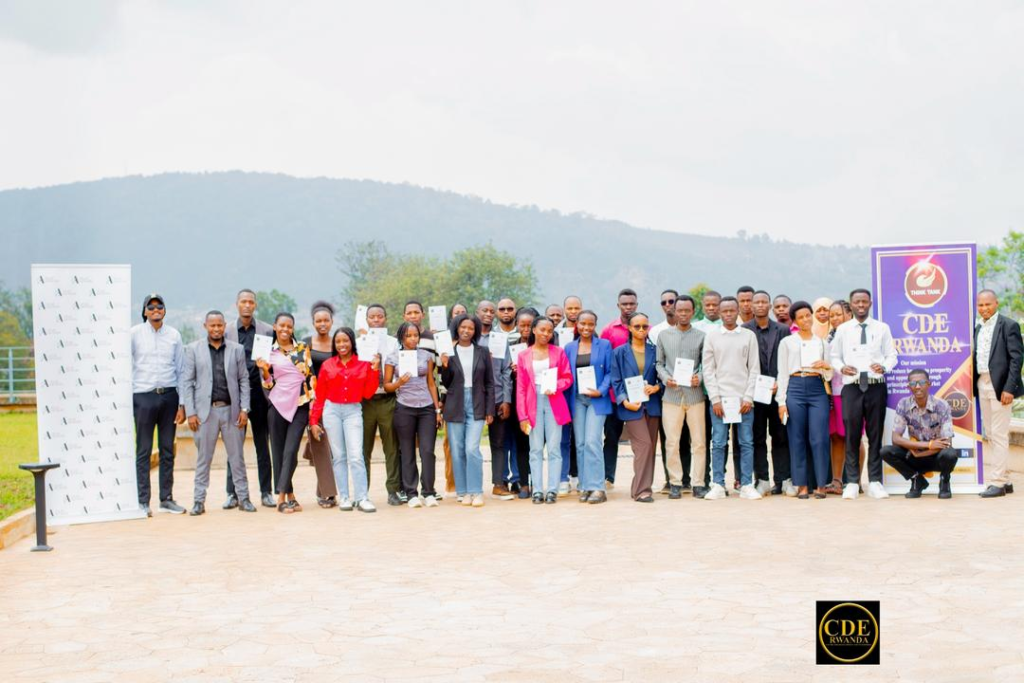
Some families in Kayonza District have lived with many challenges. Drought, lack of water, poor harvests, low income, and family conflicts were part of daily life. But behind all these visible problems, there was another serious issue that many people did not talk about: hunger of the mind.
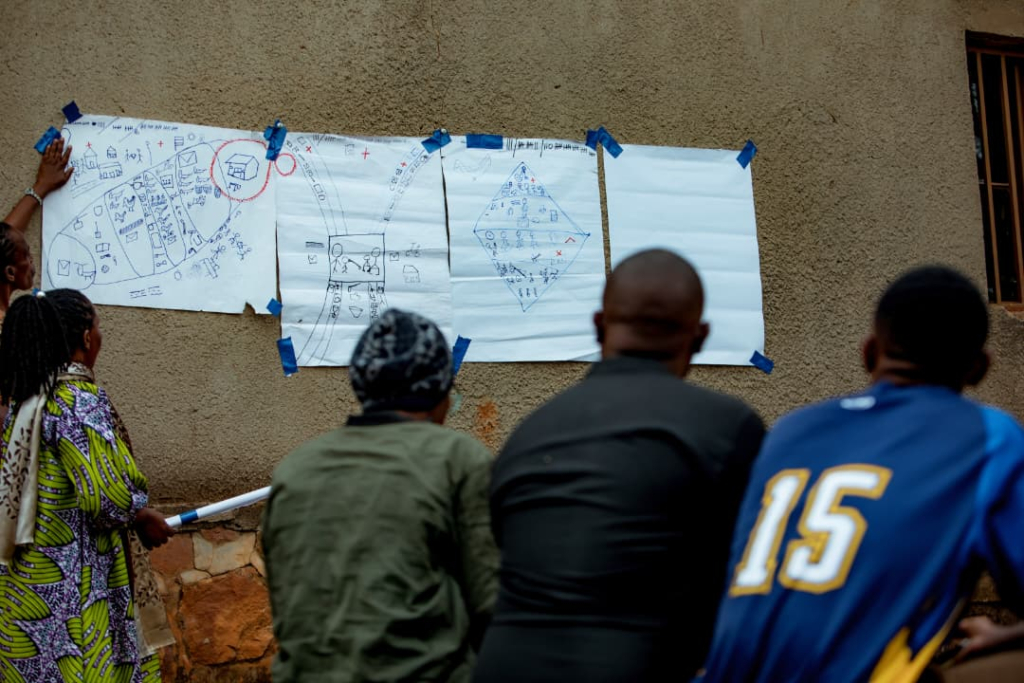
Many men and women believed that development only comes when someone has a lot of money. Families did not plan together. Men and women worked separately, managed money separately, and blamed each other when things went wrong. Some people believed poverty was caused by curses, demons, or bad luck. Because of this thinking, even small money was wasted, and families stayed poor.
This situation started to change when the Kayonza Irrigation and Integrated Watershed Management Project Phase II (KIIWP2) introduced Gender Action Learning System (GALS) trainings. These trainings focused on changing mindset, improving family cooperation, and helping people understand that there is no small money when people work together 🤝.
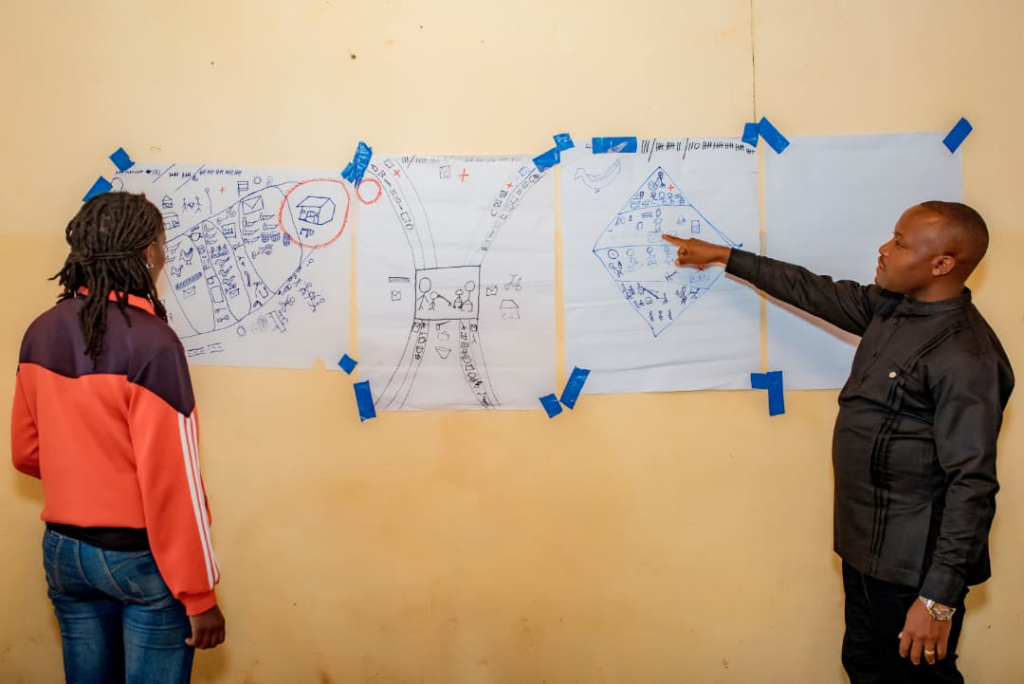
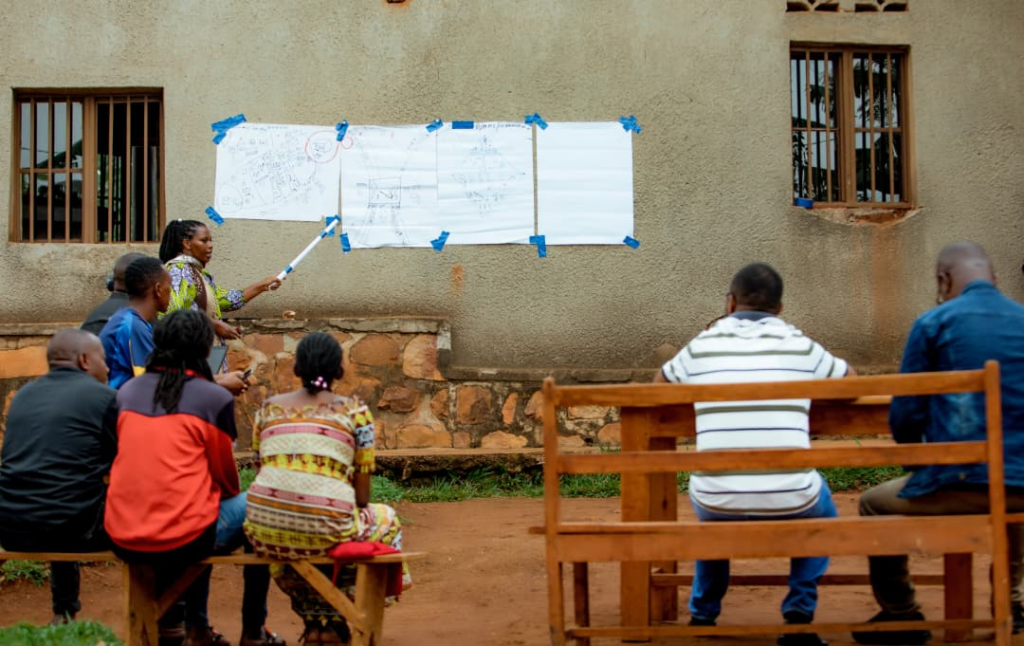
In different sectors of Kayonza District, men, women, and youth who attended GALS trainings say their lives changed not because they were given money, but because their thinking changed. Through simple drawings, discussions, and shared planning, families learned how to use what they already had. Beneficiaries say GALS saved them from “inzara yo mu mutwe” hunger of ideas and helped them build peaceful homes, improve income, and plan for a better future 🌱.
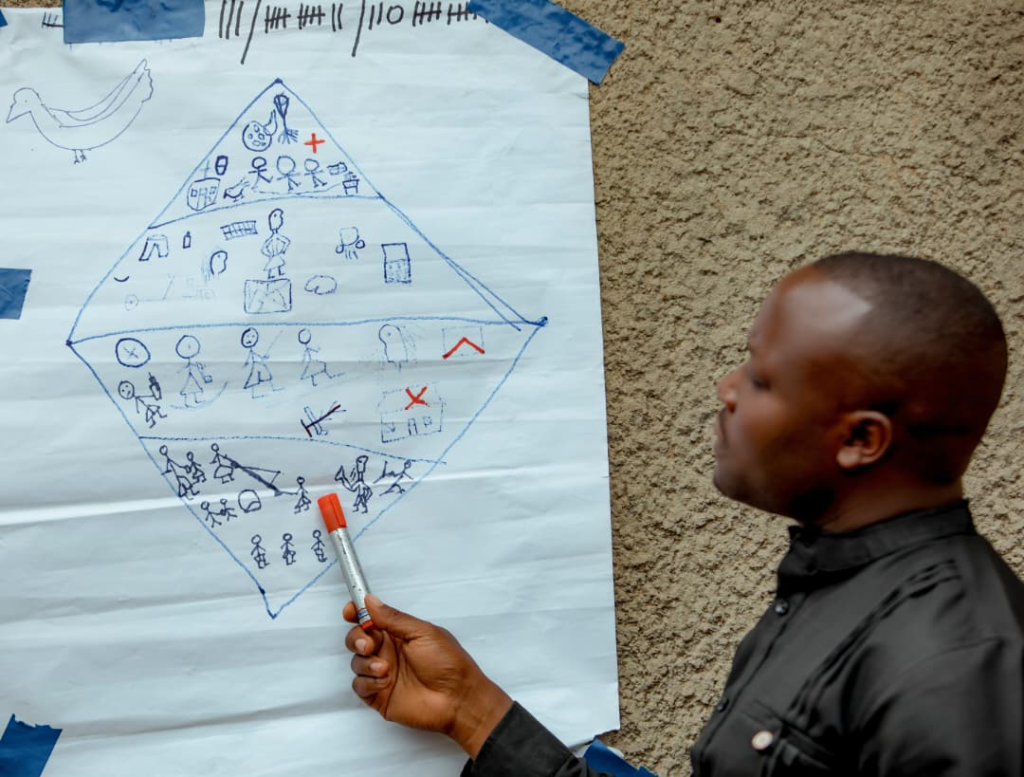
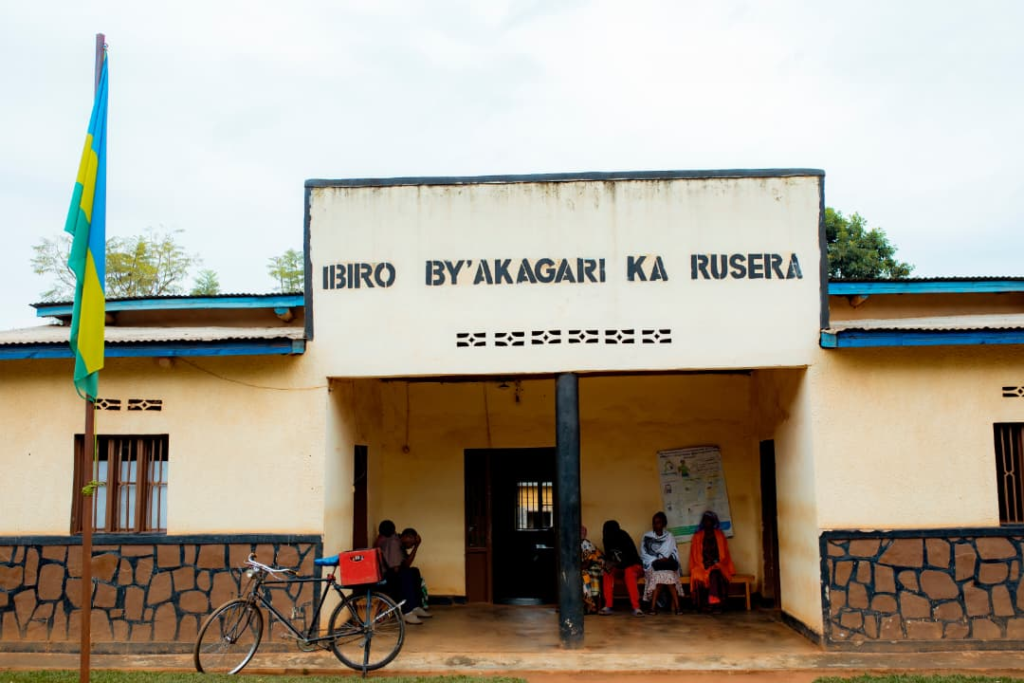
One of the beneficiaries, Tubisabyumuremyi Donati, from kabarondo sector Rusera Cell Umucyo Village in Kayonza district says before attending GALS trainings, his life was full of confusion and stress.
He explains that he grew up in a poor family with many conflicts. He dropped out of school early and believed that life success only depended on prayer.
“I used to think my problems were caused by demons and bad spirits, I spent all my time praying instead of thinking. GALS taught me that the biggest problem was in my mind.” Donati said

After marriage, the situation did not improve. Donat and his wife did not plan together. Money came in small amounts, but it was not managed well. His wife was often sick and unhappy, and the home lacked peace.
Everything changed when Donati joined GALS trainings under KIIWP2. Through tools like Vision Road Journey and Gender Balance Tree, he learned how to sit with his wife, share dreams, and plan step by step.
“GALS taught me that being alive is already capital, my wife and I started planning together. I realized that small money grows when people agree with what to do.” He spoke
With support from his wife and skills learned during trainings, Donat studied catering. Today, he works as a professional chef, cooking at ceremonies and events 🍽️.
“My children are studying well, my wife is happy, and my home is peaceful we plan together and join a hand in everything, I feel responsible and proud.” He spoke
Women beneficiaries also shared stories of change. Jeannette Maniragena, a single mother from Rusengo Cell, says before GALS, her life depended on help from relatives.
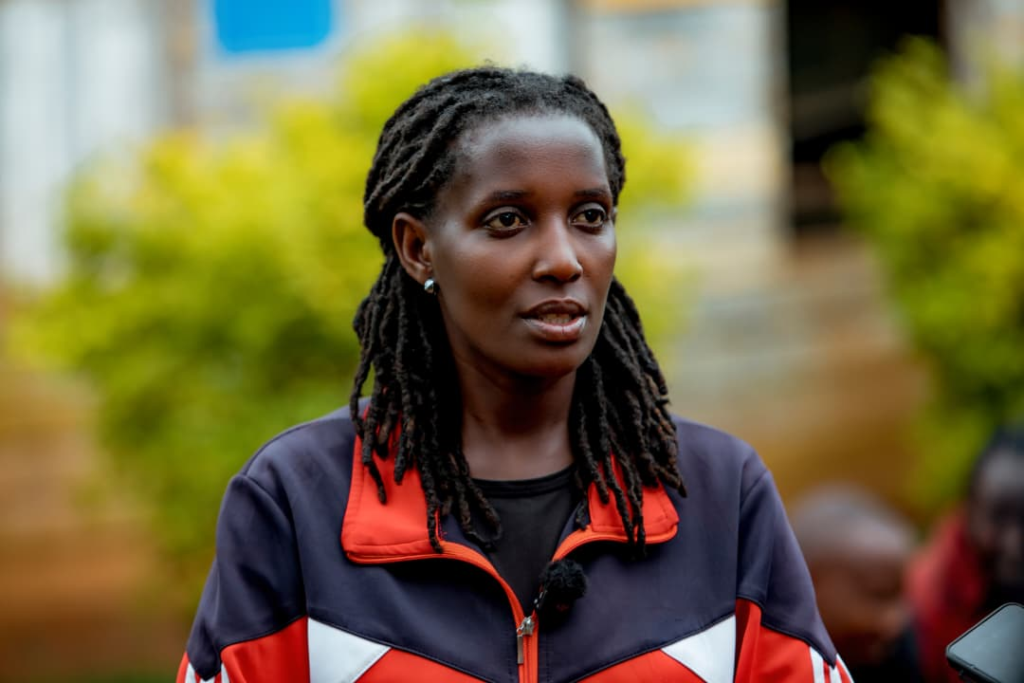
“Whenever they sent me money for food, I used part of it to buy clothes, I was not planning. I was living day by day, If I ate today, that was enough.” She spoke
After attending GALS sessions, Jeannette changed her thinking. She used the little money she received to start a small business at the market.
“GALS opened my mind; GALS taught me to stop begging and start thinking, I learned that small money can work if you use it well.” She spoke
Today, Jeannette pays health insurance, school fees, and supports her child without begging. Her child now studies in a private school 🎒.
“My child is now studying in a private school. I no longer ask anyone for help.” she said💪.
She also trained other single mothers using GALS tools. Many of them now run small businesses and live with dignity.
Shakira explains why GALS worked
According to Shakira Gisa Community Development, Gender and Youth Specialist at SPIU, and GALS leader and facilitator under KWIP in Kayonza, the biggest success of the program came from its community centered approach.
Before sharing her views, Shakira explained that many projects fail because they focus only on money or work in many districts at the same time without deep follow up.
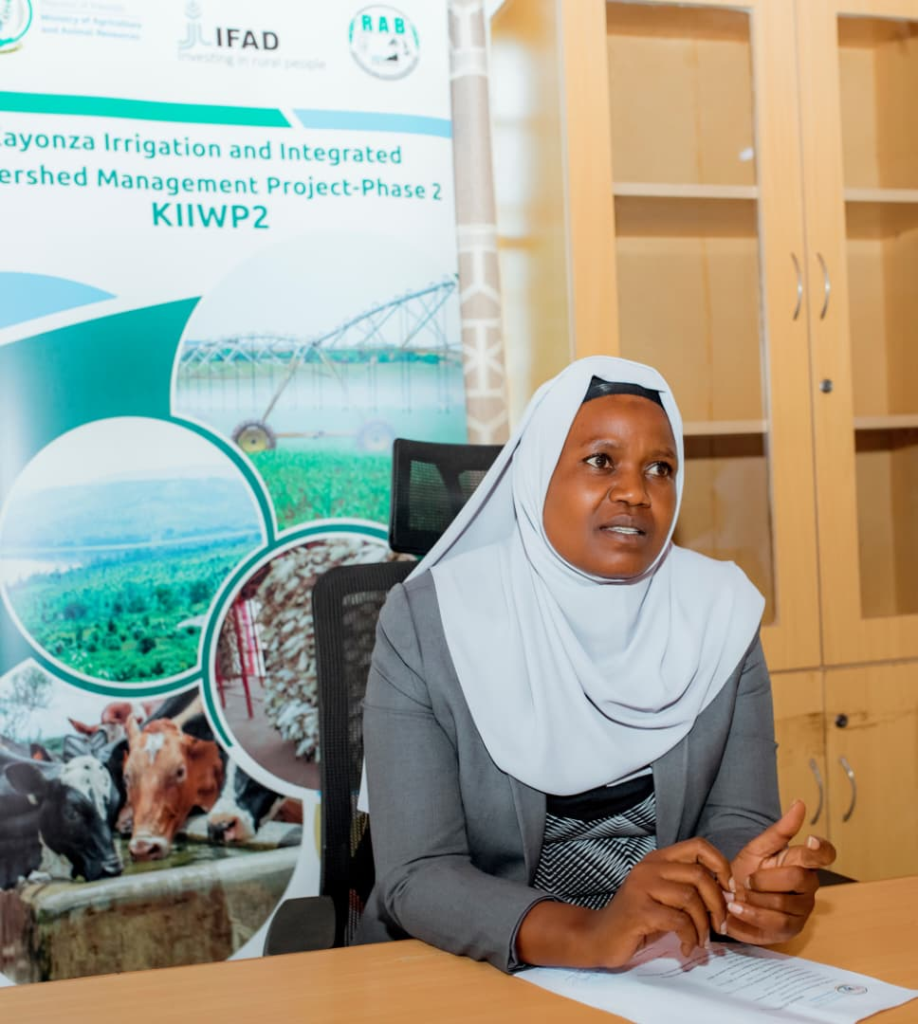
“KIIWP2 was different, we focused on one district, Kayonza, and we stayed close to the people.”
She explained that GALS is not about teaching people what to do, but helping them discover solutions themselves.
“We did not give people money. We gave them tools to think, through drawings and discussions, people saw their own problems and their own solutions.” She said
Shakira added that GALS helped reduce family conflicts, violence, and waste of money.
“When men and women sit together, plan together, and decide together, everything changes, there is no more ‘my money’ or ‘my cow’. It becomes ‘our money’ and ‘our future’.” She said
She also highlighted the importance of GALS champions.
“Champions became role models. They changed first, then trained others, this is why change spread fast in the community now we have trained 20,000 people and they are also helping us to train other” she said
Through GALS trainings under KWIP, families learned that poverty is not only about lack of money, but also about lack of planning, cooperation, and vision.
By fighting hunger of ideas, GALS has helped families restore peace, respect, and hope. For many beneficiaries, GALS was not just a training it was the beginning of a new life ✨.
As one beneficiary said: “When thinking changes, life changes. And there is no small money when people work together.”
According to Shakira, GALS training started with only 1,200 participants but has now reached more than 20,000 people across Kayonza District. She said the project targets to train at least 40,000 people by 2028. Shakira explained that in communities where GALS training has been introduced, people no longer see gender equality as a burden or a threat. Instead, families now understand it as teamwork and shared responsibility. She added that in areas where the training has already been delivered, visible and positive changes can be seen, as confirmed by testimonies from men, women, and youth who have benefited from the GALS approach.
TCN || The Comments News