For many years, maize farming in Kayonza District, Eastern Rwanda, was full of risk and uncertainty. Farmers planted their crops without knowing who would buy their harvest or the price they would receive. After harvest, distributors and middlemen often decided prices on their own, forcing farmers to sell at very low prices just to avoid losses 😔🌽.
Because of this situation, many farmers struggled. Storage facilities were limited, weather conditions were unpredictable, and banks were feared. With no guaranteed markets, farming was seen as a way to survive, not as a business.
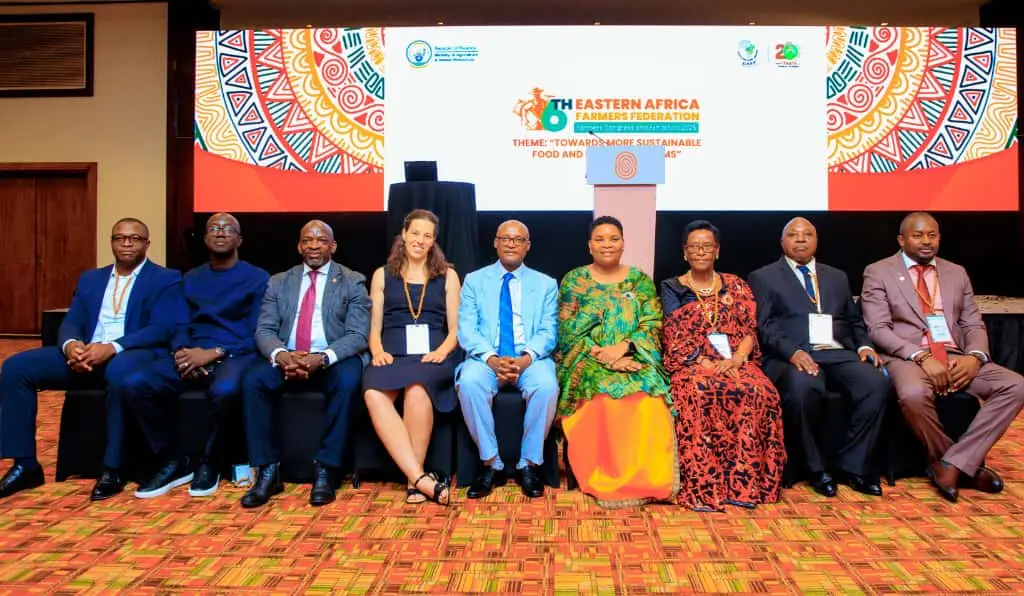
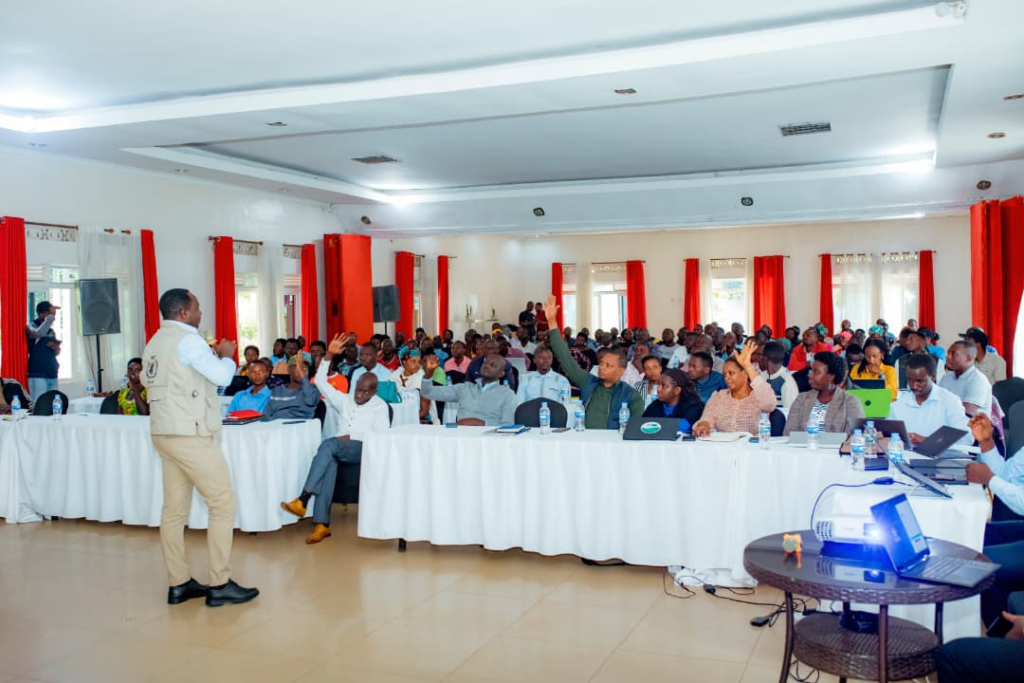
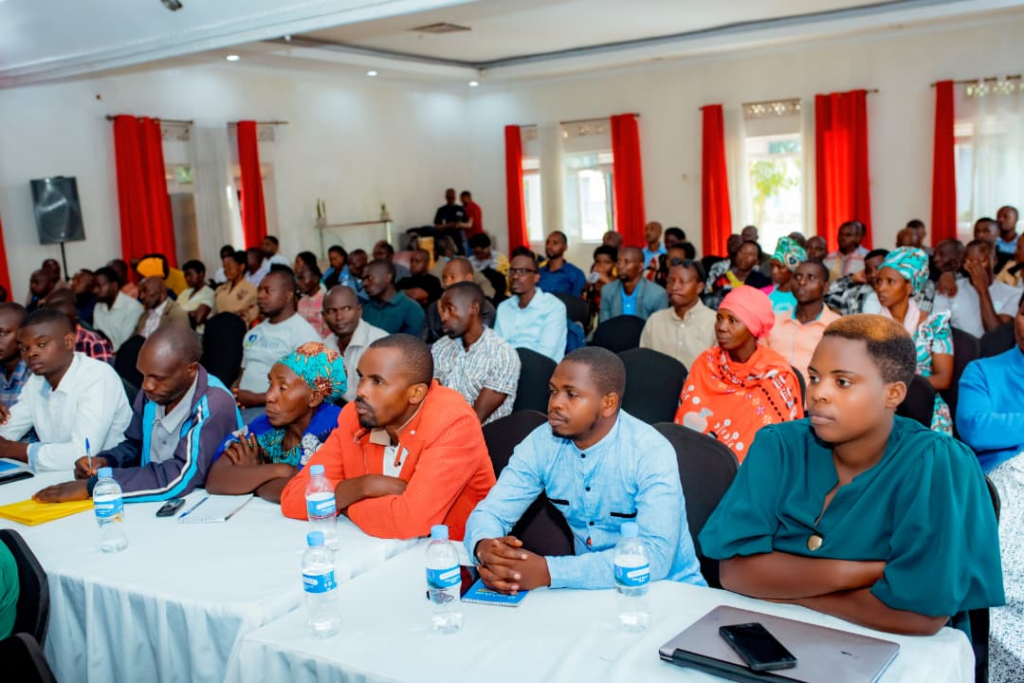
Maize farmers, buyers, financial institutions, and local leaders came together in a meeting held on January 19, 2026, in Kayonza District to change that reality. 🌱.
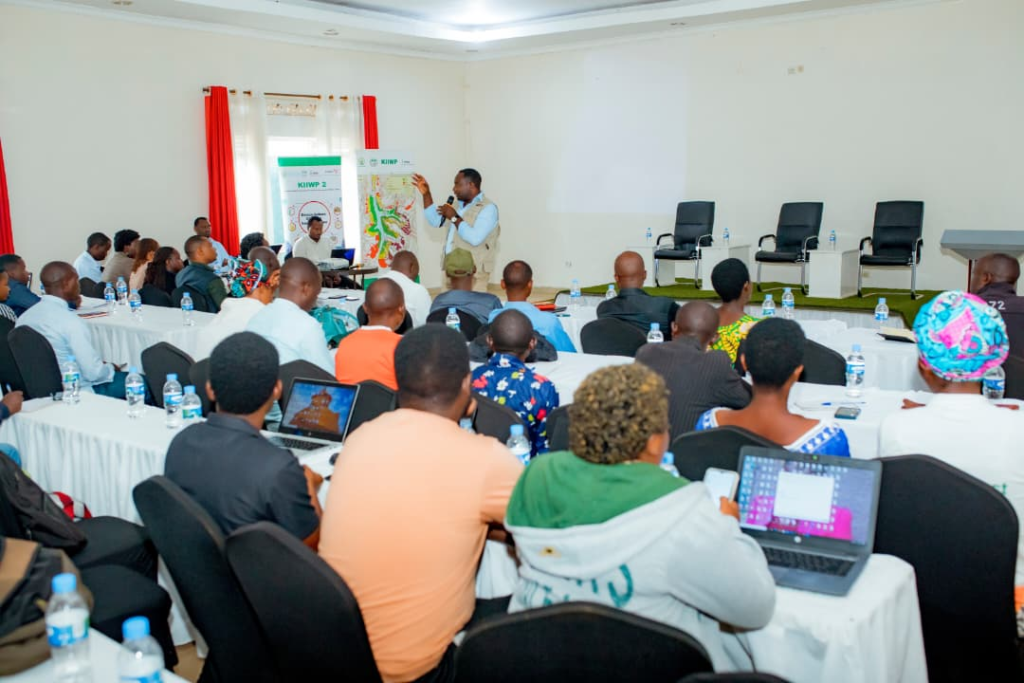
As the maize harvest season enters its final stage, farmers in Kayonza are working with new confidence and hope. Instead of guessing and waiting, they are now producing under clear contract agreements, with known buyers and prices discussed and agreed before harvest 🤝📄💰.
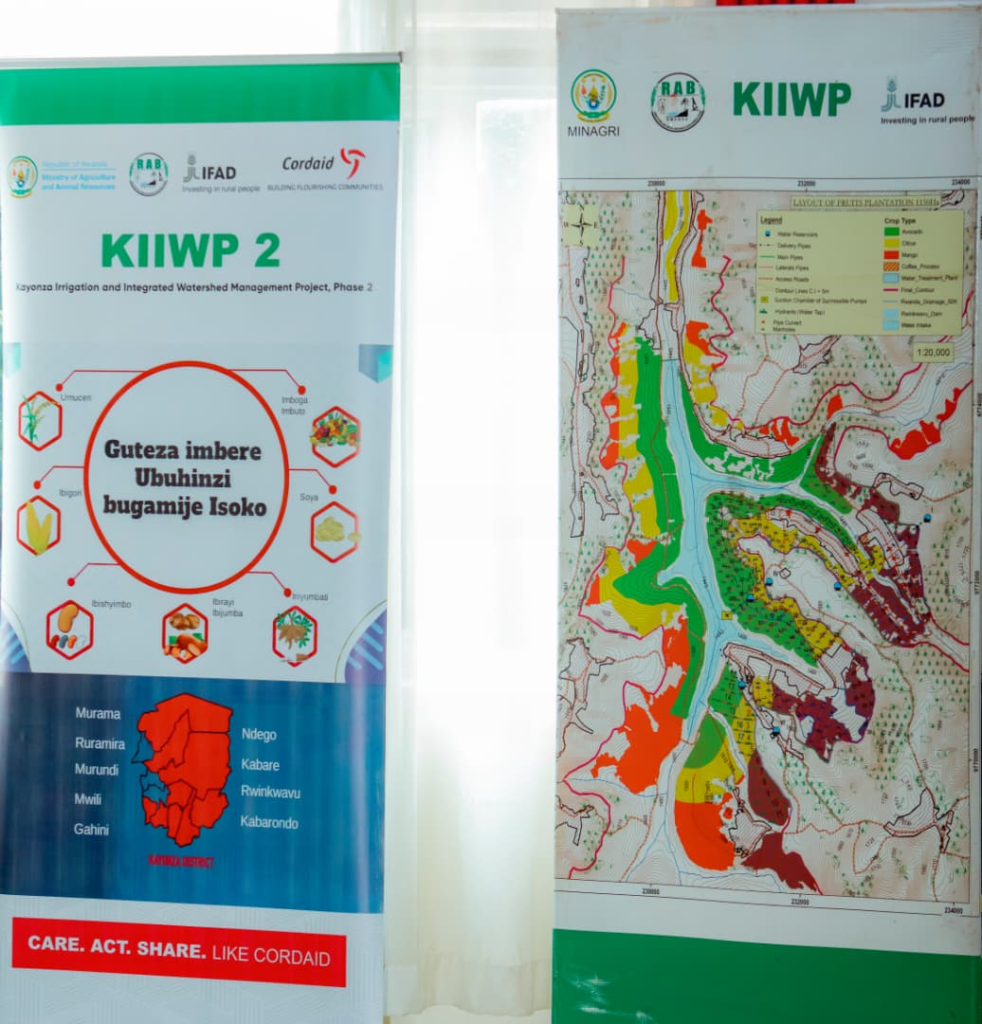
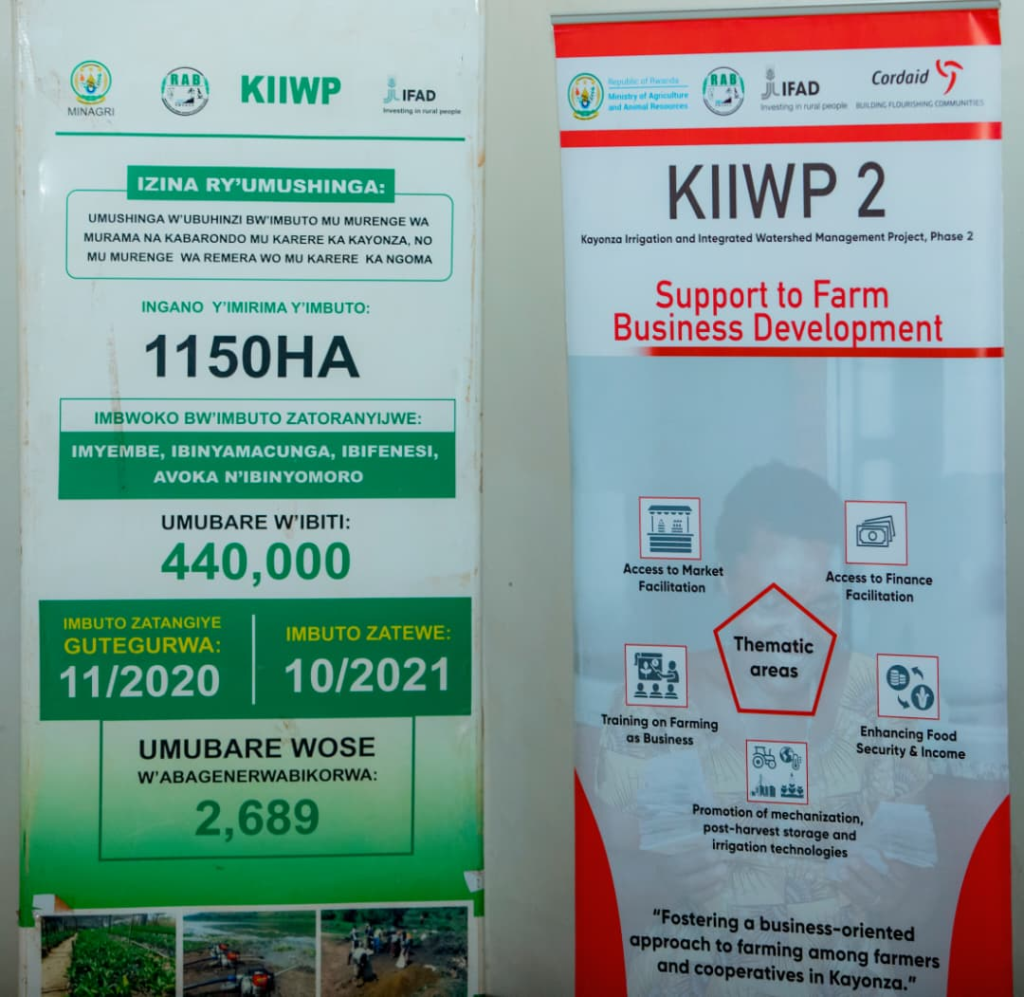
This way of farming is supported by the Kayonza Irrigation and Integrated Watershed Management Project Phase II (KIIWP2), working alongside the Food and Agriculture Resilience Mission Pillar 3 (FARM P3). Together, these initiatives are empowering farmers, strengthening cooperatives, and turning maize farming into a stable and profitable business.
From Uncertainty to Contracts
Under KIIWP2’s market led approach, supported by FARM P3, farmers no longer plant blindly. Before planting, they sit together with buyers, cooperative leaders, and project staff to discuss market needs. They then sign agreements that clearly explain:
- who the buyer is,
- when the maize will be bought,
- the quality required, and
- the price range agreed before harvest.
This system, known as contract farming, gives farmers peace of mind and trust in agriculture 🌾💪.
Farmers explained that knowing the buyer and price in advance has removed fear and stress during harvest time.
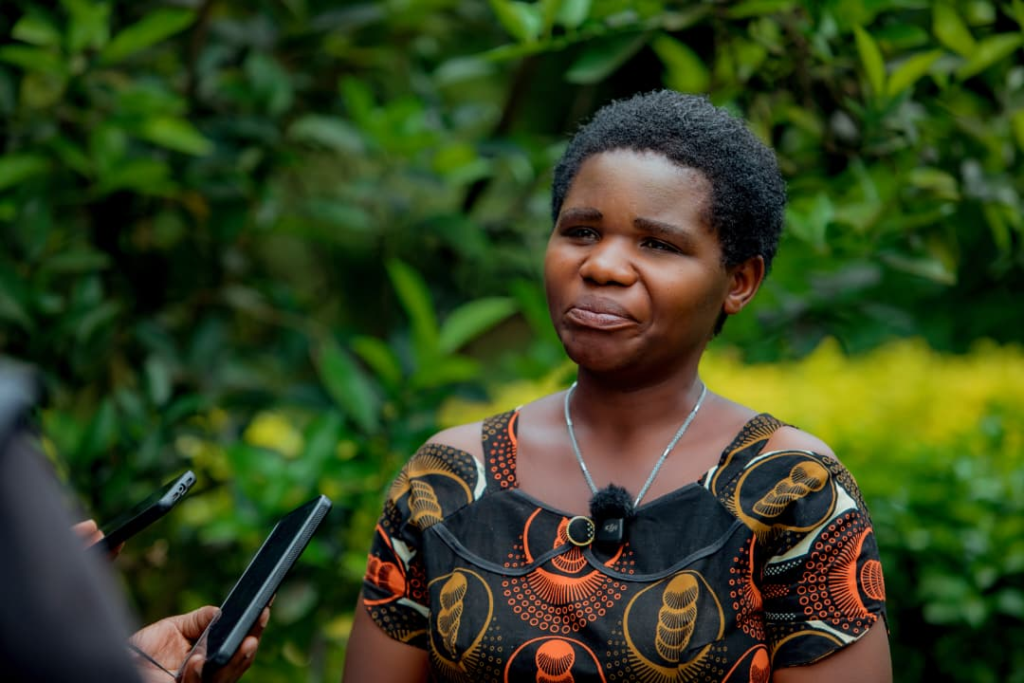
“Today we plant maize knowing who will buy it and at what price. We no longer worry during harvest time. Before, buyers decided prices after harvest, but now we are part of the decision,” said Mukamana Agnes, a maize farmer, during the Kayonza stakeholders’ meeting.
Major buyers, including East Africa Exchange (EX) and Furaha Yetu Group Ltd, confirmed their commitment to buy maize from organized farmers and cooperatives.
KIIWP: Connecting Farmers to the Market
The KIIWP2 Project plays a key role in linking farmers to buyers, banks, and other partners. Project leaders explained that farming should always start with the market.
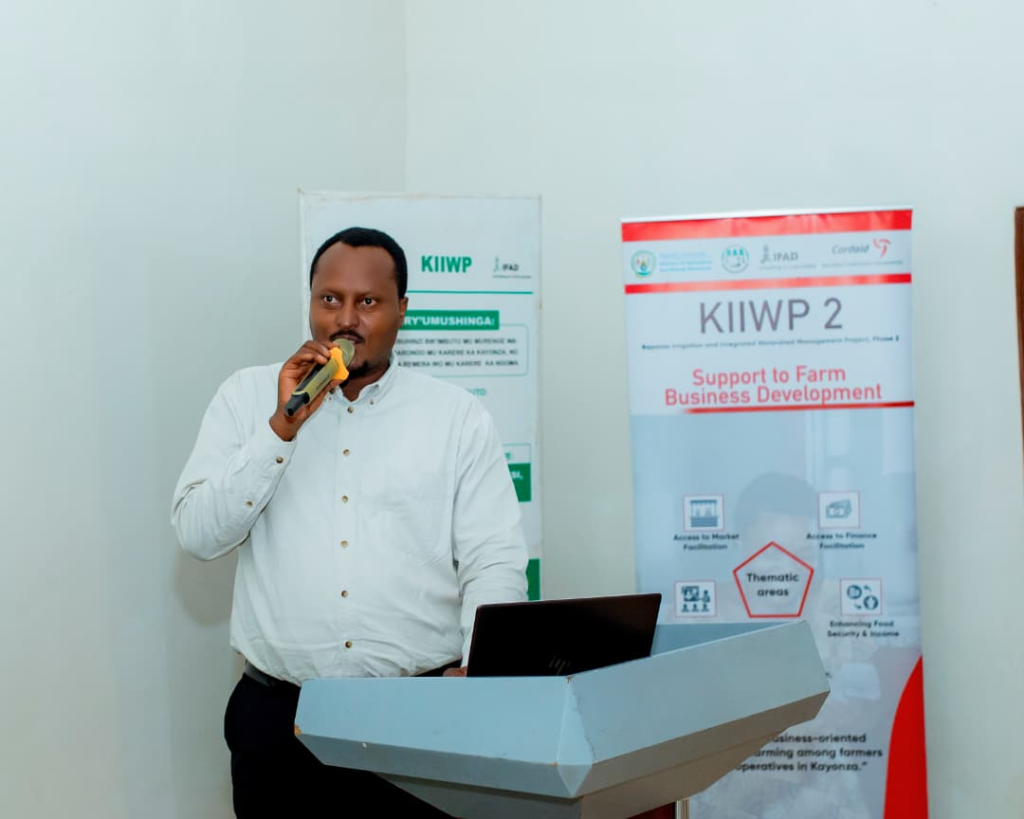
Explaining the project’s approach, Mandela Donne, a Project Officer at KIIWP2, said farmers must understand the market before planting.
“Our focus is that a farmer must know the market before planting. When farmers, buyers, and banks sit at the same table, agriculture becomes a business, not a gamble. That is why we encourage contract agreements before farming starts,” he said.
KIIWP2 and FARM P3 supports farmers through training, regular field visits, and links to finance and markets. Farmers are encouraged to work together, grow one priority crop, and follow professional farming practices 📋🌱. Mandela confirm that this coordination has improved quality, production volume, and trust across the maize value chain.
Buyers’ Assurance: A Strong Market for Maize
Buyers attending the meeting assured farmers that the maize market is available and reliable.
Speaking on behalf of East Africa Exchange (EX), David Karangwa explained that EX is committed to working with organized farmers in Kayonza.
“EX is committed to buying maize from Kayonza farmers. We work with clear standards, fair prices, and fast payments. When farmers produce quality maize, the market is always there,” he said.
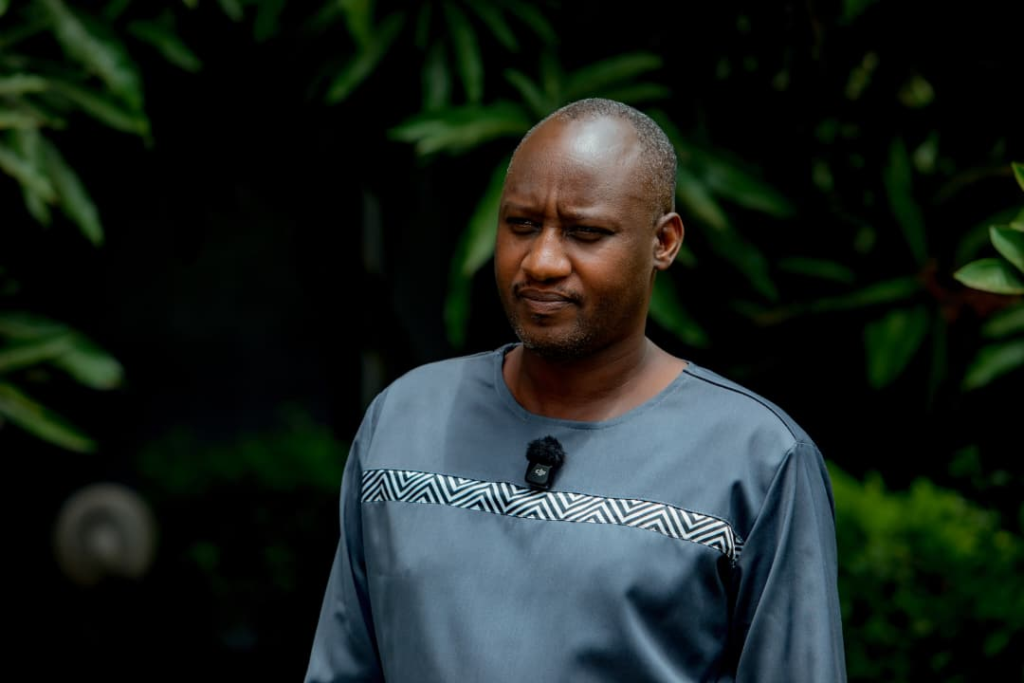
He also explained that EX understands the challenges farmers face, especially weather conditions.
“We know rain can affect drying. That is why, to support farmers, we accept maize with moisture levels of up to 18 percent. Our goal is to work with farmers and faming be a business not for surviving only.” he added 🌧️🌽.
Mandela also said That flexibility helps farmers reduce losses and meet market standards.
A Buyer That Buys Everything
Another buyer, Furaha Yetu Group Ltd, shared a different but farmer friendly business model. The company focuses on buying all maize produced by farmers.
Before his remarks, farmers explained that one of their biggest fears is failing to sell lower grade maize.
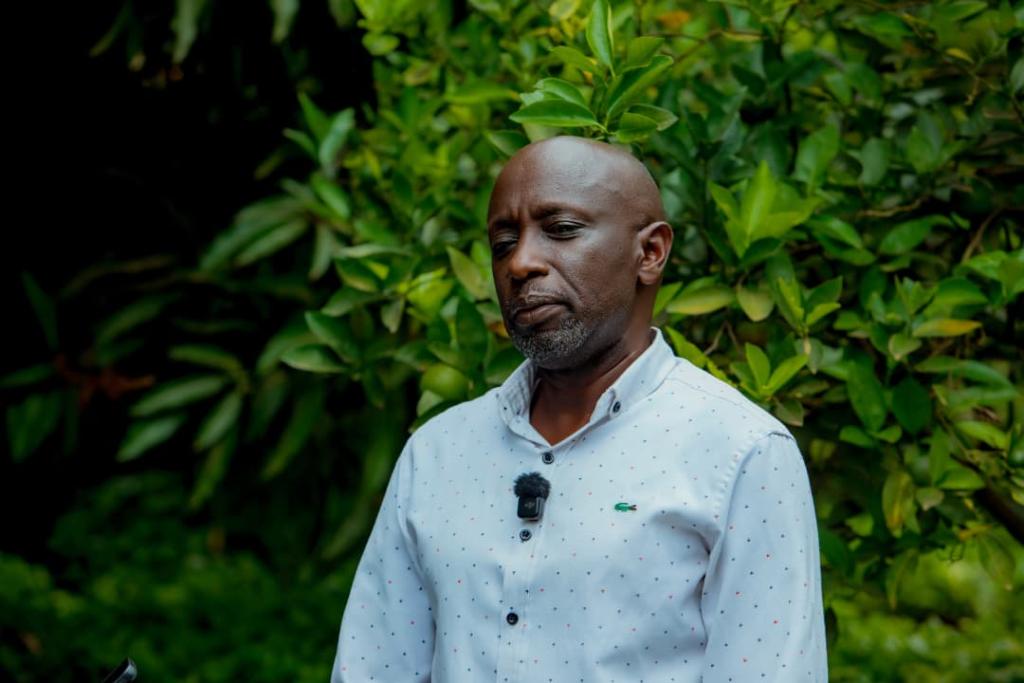
Speaking for the company, Keneth Kanazi said Furaha Yetu does not reject farmers’ produce as long as it’s hasn’t Aflatoxin.
“We buy all grades of maize grade one, grade two, and grade three. No farmer should go back home with unsold maize if it’s hasn’t Aflatoxin. We process everything into food flour and animal feed,” he said.
The company also provides free storage during the rainy season and sells maize flour at affordable prices, supporting both farmers and consumers 🏭🌾.
Speaking again, Mukamana Agnes, representing KOWAISURWA Cooperative, explained the change.
“Before KIIWP, we farmed individually and mixed crops. Our yields were low, now we farm together, focus on maize, sell as a group, and earn more income, rising yields and stronger Cooperatives
With assured markets and agreed prices, we are now more confident to invest in good farming practices. As a result , yields increased from 200 kg to 350 kg per 10 Ares, production reached up to 4 tons per hectare 📈
” she said.
“Collective farming and group sales have strengthened farmers’ bargaining power and improved incomes.” Mandela Donne explained
Breaking the Fear of Banks 💳
Farmer empowerment has also changed attitudes toward banks. Agnes revealed that her cooperative accessed a 36 million RWF loan to build storage facilities.
“We used to fear banks because we did not have guaranteed income. Today, because we have contracts and markets, we are repaying the loan using maize sales,” she said 😊.
“The cooperative now owns three warehouses. However, about 50 tons of maize are still lost each season due to limited storage, showing the need for more investment.” Agnes said
Support and the Way Forward
FARM P3, launched in September 2025, complements KIIWP2 by focusing on post harvest management and improved market access for 4,000 smallholder farmers in Kayonza District. With a total budget of US$1.23 million, the pilot brings together cooperatives, small and medium enterprises (SMEs), banks, and development partners to address maize losses, currently estimated at 13.8 percent.
Through investments in drying shelters for cooperatives, mobile mechanical dryers for private sector partners, and joint training for farmers, the initiative aims to improve grain quality and help farmers meet buyer standards.
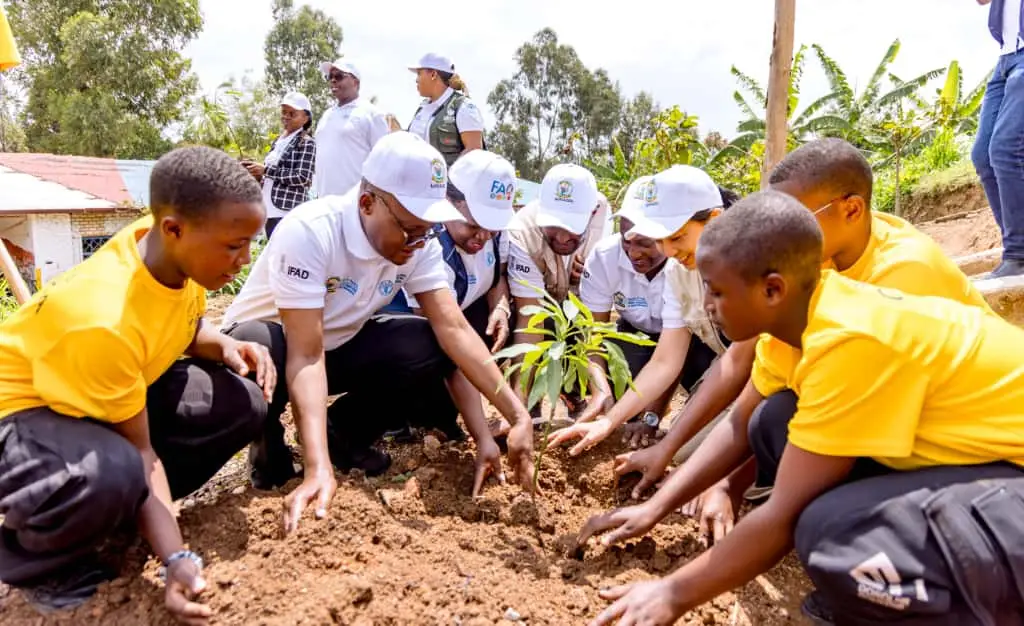
Both FARM P3 and KIIWP2, supported by IFAD in collaboration with the Rwanda Agriculture Board (RAB), cooperatives, and private sector partners, are designed to boost maize productivity, reduce post harvest losses, and strengthen market linkages, ensuring that smallholder farmers in Kayonza can farm with confidence and earn better incomes 🌽🤝.
TCN || The Comments News