For years, when Musengimana Jean Marie’s children watched their neighbors drink milk, they would ask a question: “Why don’t we also have milk at home?”
Living in the Nyundo Sector of Rubavu District, Jean Marie had no answer. Poverty made it impossible for him to buy a cow, despite living in a community where livestock farming is an important part of daily life
“Sometimes I would go to bed feeling sad because I had no money, my children would see other children drinking milk while we had nothing.” Jean Marie recalled.
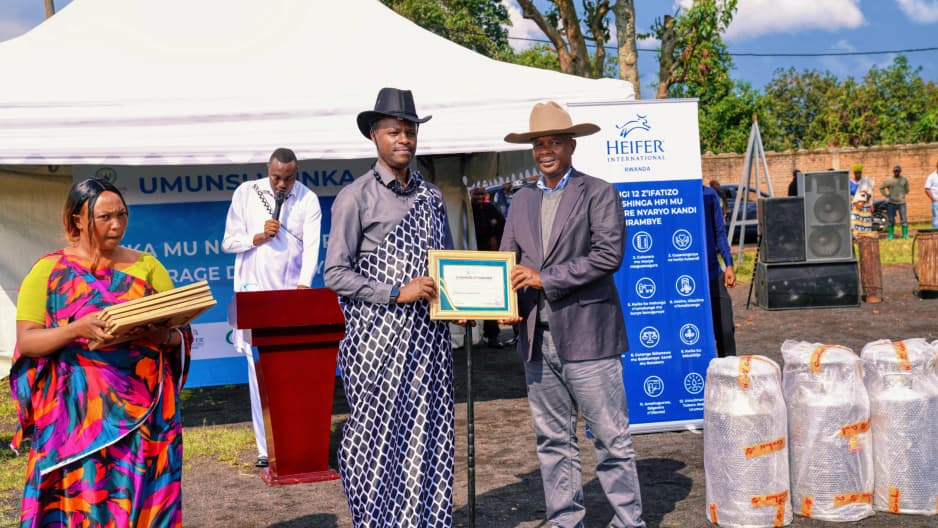
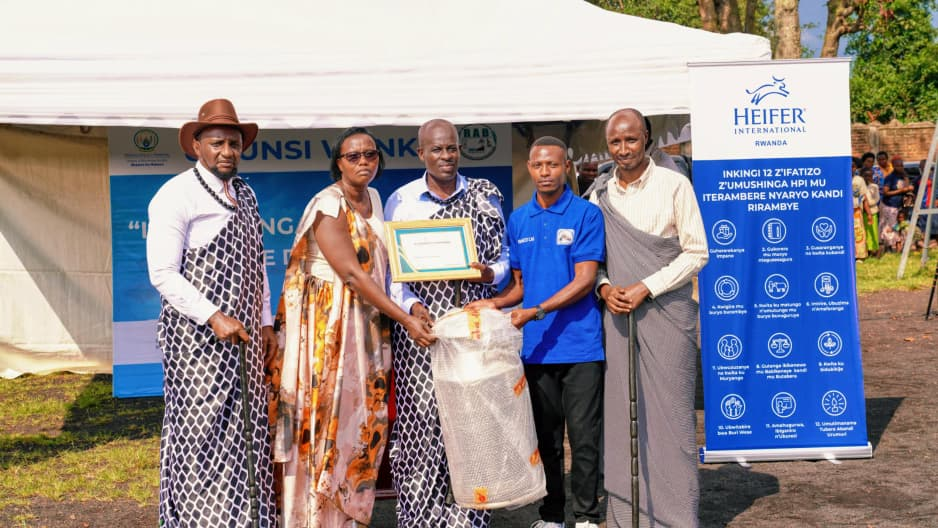
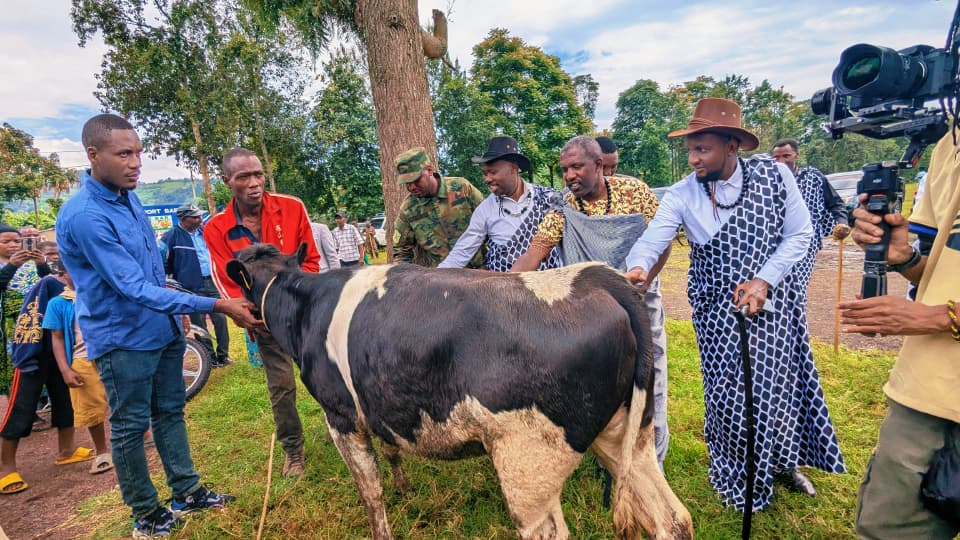
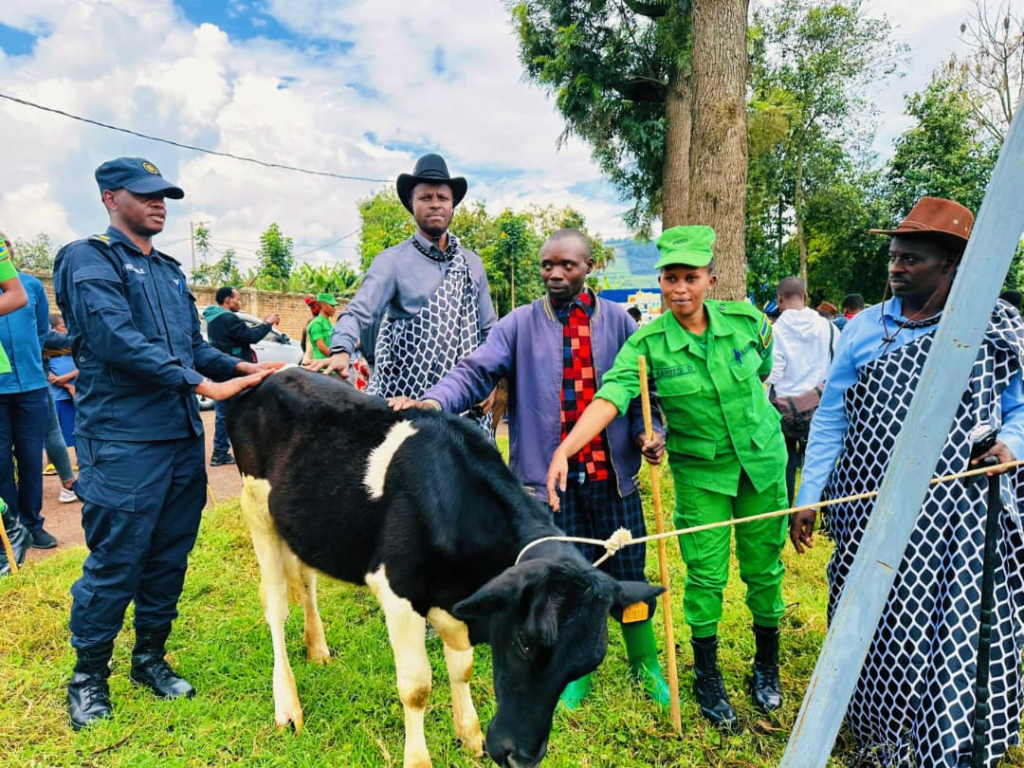
That reality changed on May 21, 2026. Jean Marie was among the vulnerable families who received dairy cows during the second edition of Umunsi w’Inka (Day of the Cow). Held in the Rugerero Sector, the event brought together farmers, veterinary experts, government officials, and development partners to celebrate livestock achievements and promote modern dairy farming.
“Today I feel proud because I am now part of livestock farming too, my children will finally drink milk every day.” Jean Marie said.
Another beneficiary from Nyundo Sector, Uwiragiye Fatuma, said the gift removes two major financial burdens for her family.
“Before, I used to buy milk and fertilizer, now my children will drink milk at home, and I will get fertilizer from my own cow.” she said.
A Heritage Moving to the National Stage
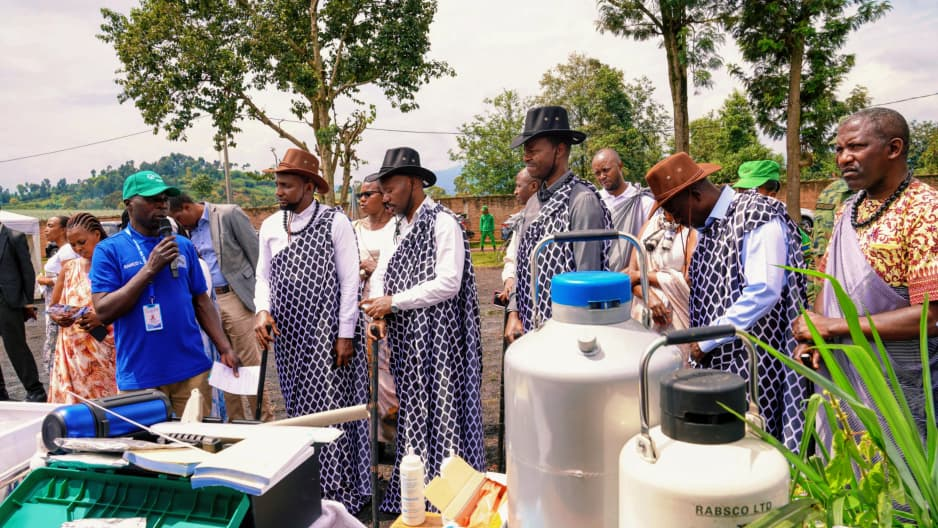
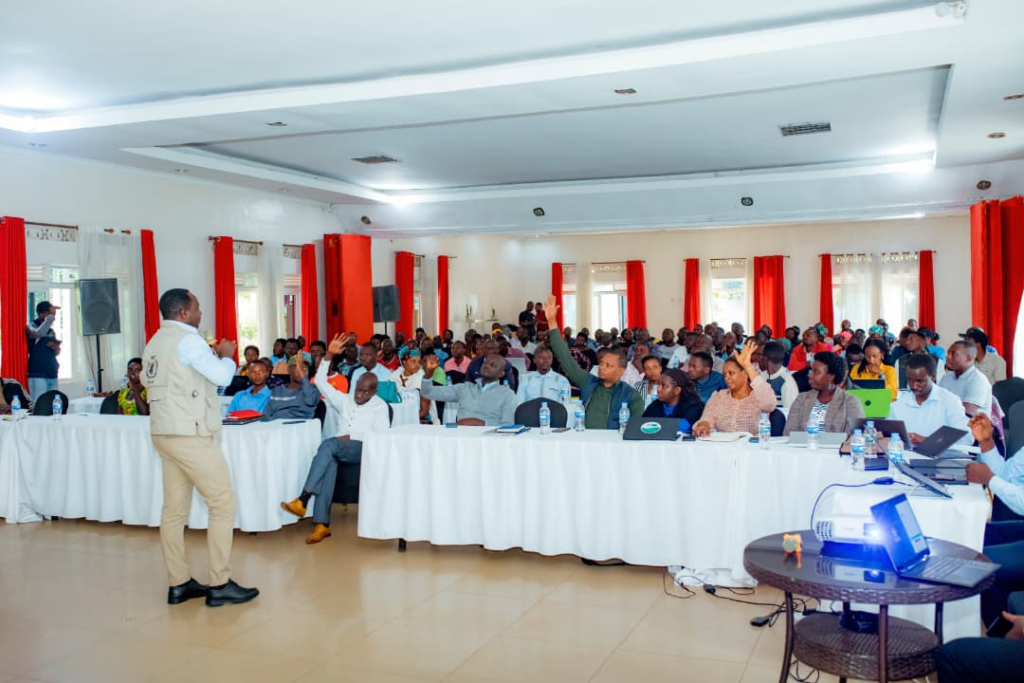
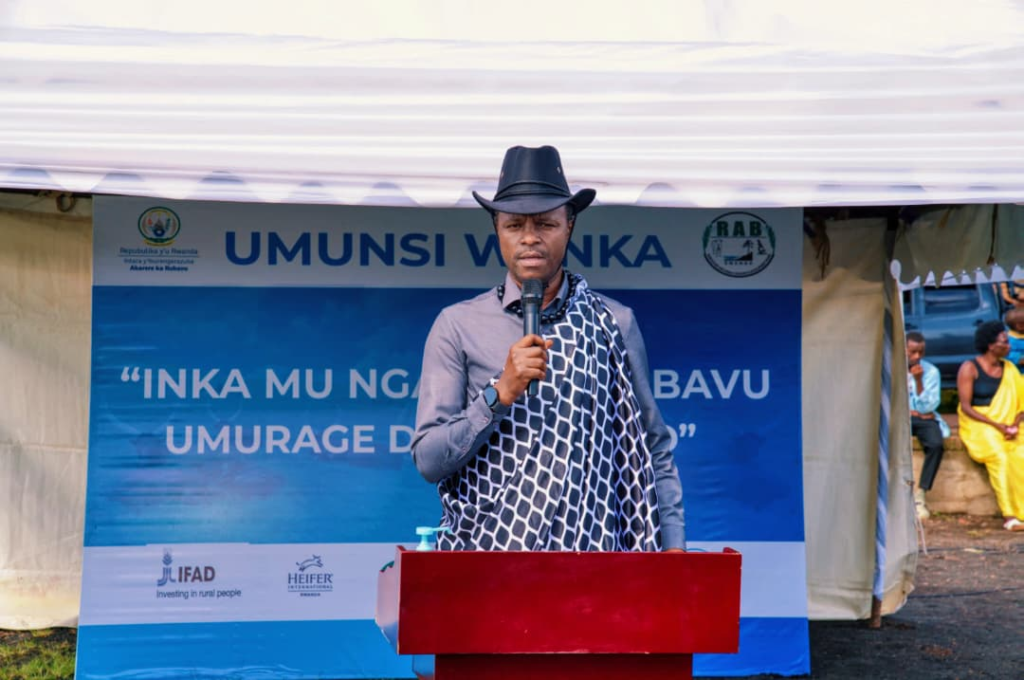
Umunsi w’Inka Held under the theme “Inka mu Nganji za Rubavu, Umurage dukomeyeho” (“Cattle in the Kingdom of Rubavu, a Heritage We Cherish”), Rubavu District Mayor Prosper Murindwa emphasized that the event is more than a celebration. It serves as a vital platform for farmers to learn modern techniques, access veterinary support, and solve localized farming challenges.
The success of the initiative has caught the attention of central government officials. Speaking at the event, Jean Claude Ndorimana, Director General of Animal Resources Development at the Ministry of Agriculture and Animal Resources (MINAGRI), announced plans to scale up the celebration.
“This idea started in Rubavu District, but at the ministry level, we appreciated it and discussed with district leaders how it can become a national event, Cattle are important in Rwanda’s culture, nutrition, unity, and economic development. Inka ni umurage w’u Rwanda (Cattle are Rwanda’s heritage).” said DG Ndorimana.
DG Ndorimana praised the visionary Girinka Program, launched by President Paul Kagame in 2006, noting its major role in rebuilding the livestock sector. Following the 1994 Genocide against the Tutsi, Rwanda was left with fewer than 170,000 cattle. Today, that number has increased to more than 1.7 million, with daily national milk production jumping from 330,000 liters to nearly 2.9 million liters.
He also highlighted the role of RDDP Phase II in supporting better animal health services, milk collection systems, climate-smart agriculture, and dairy entrepreneurship across Rwanda.
Addressing the Quality Gap
Despite the increase in milk production, DG Ndorimana warned that poor quality control and hygiene remain major challenges in the dairy sector.
“Nearly 60 percent of milk taken to collection centers is rejected because of poor quality linked to mastitis disease, if we increase milk production without improving quality, farmers will still lose money.”DG Ndorimana warned.
He urged farmers to aggressively modernize by improving feeding practices, providing clean water, maintaining strict hygiene during milking, and partnering closely with local veterinarians.
A $100 Million Boost for Dairy Farming
To help farmers meet these standards, the celebration highlighted the support of the Rwanda Dairy Development Project Phase II (RDDP II). The six-year initiative (2024-2029) features a budget of over US$100 million and is funded by the Government of Rwanda in partnership with the International Fund for Agricultural Development (IFAD) and Heifer International. It is implemented by the Rwanda Agriculture and Animal Resources Development Board (RAB) Single Project Implementation Unit (SPIU).
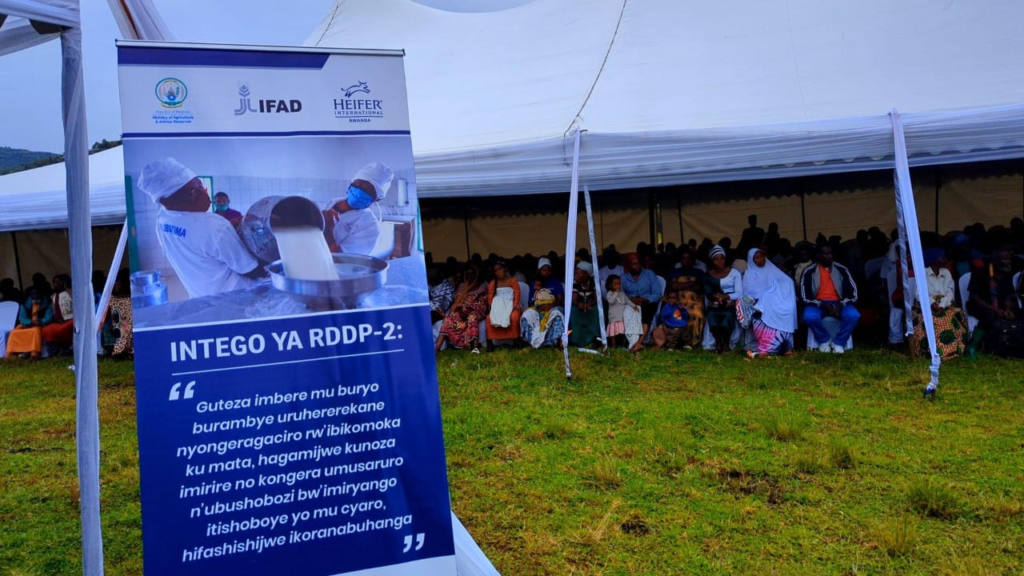
RDDP II peoject is expected to benefit around 175,000 rural households across Rwanda while creating nearly 28,800 jobs nationwide.
Under the project, about 299 milk storage facilities will be constructed or rehabilitated to improve milk handling and storage. In addition, 94 milk collection centers will be equipped with digital systems to improve milk transactions and management.
RDDP II will also support around 85,000 people through dairy entrepreneurship and improved access to finance, helping farmers and young entrepreneurs grow their businesses in the dairy sector.
Furthering this progress, Rubavu District Mayor Prosper Murindwa announced upcoming infrastructure projects, including building brand-new veterinary clinics in Rugerero and Gishwati, alongside rehabilitating local milk collection hubs to connect farmers to larger commercial markets.
The event concluded with an awards ceremony recognizing outstanding local farmers. Prizes were handed out to those achieving exceptional milk yields, cultivating high-quality nutritious animal feed, and those continuing the spirit of Girinka by donating cows to vulnerable neighbors.