Leaders and stakeholders in the water sector have raised concern that women and girls in Rwanda continue to carry the heaviest burden when it comes to water access, calling for urgent action to address the imbalance.
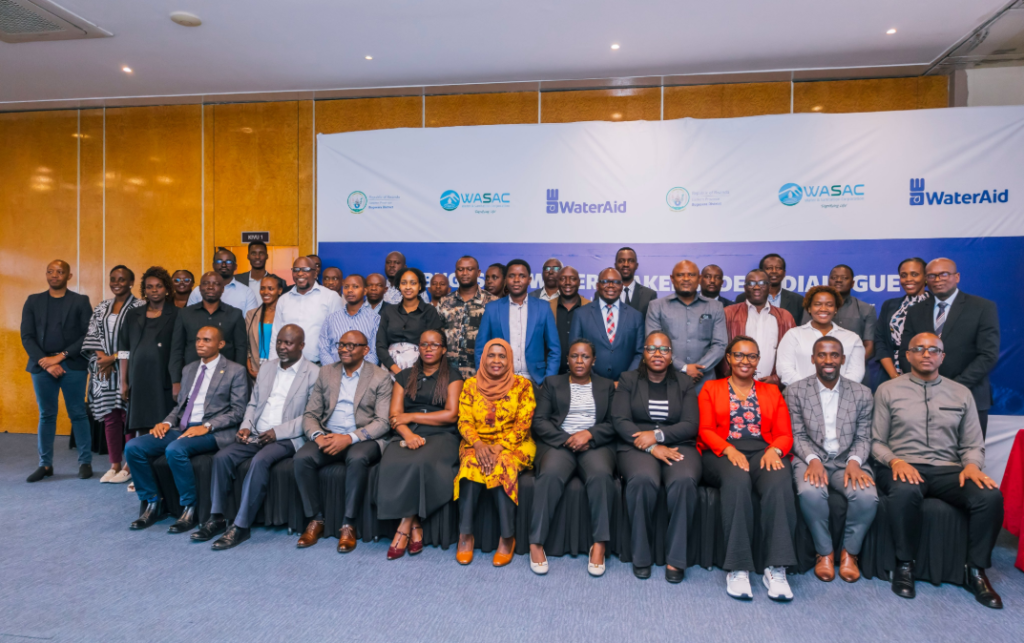
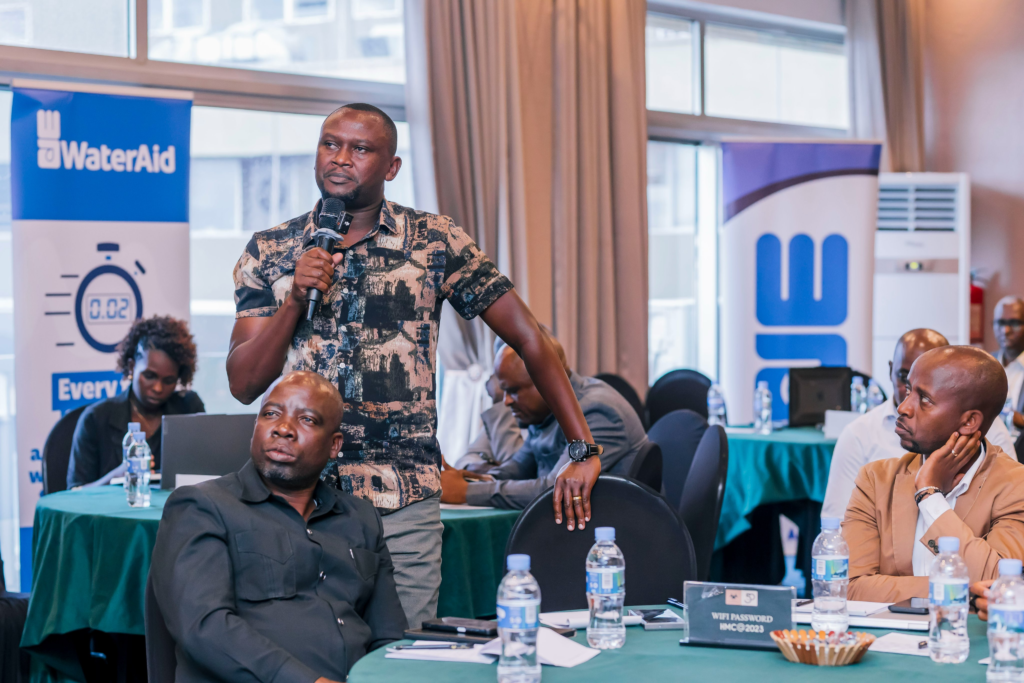
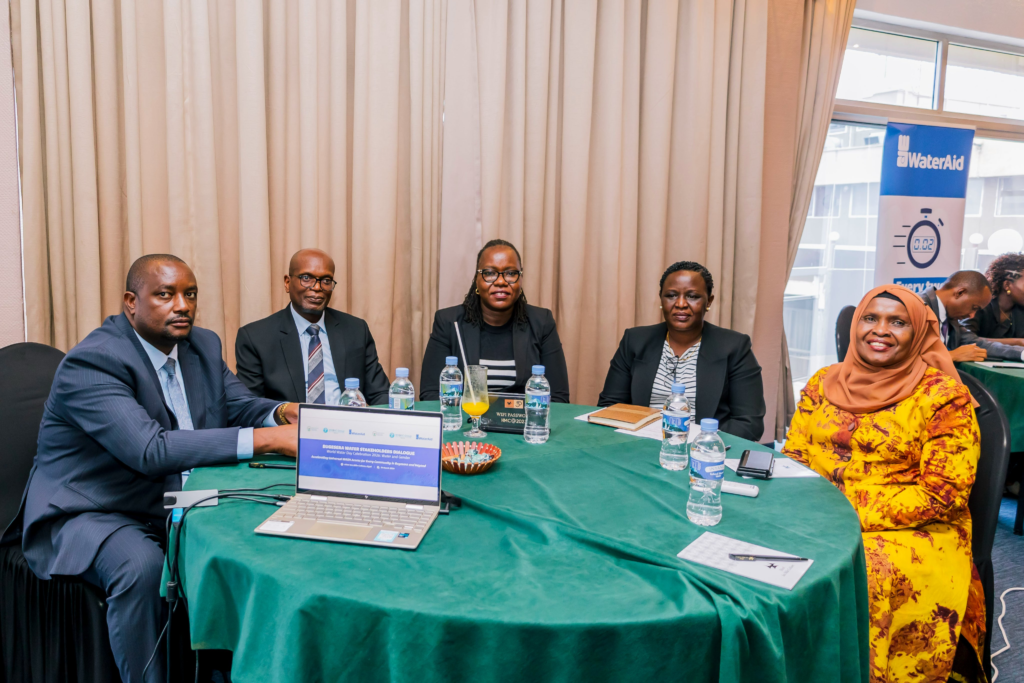
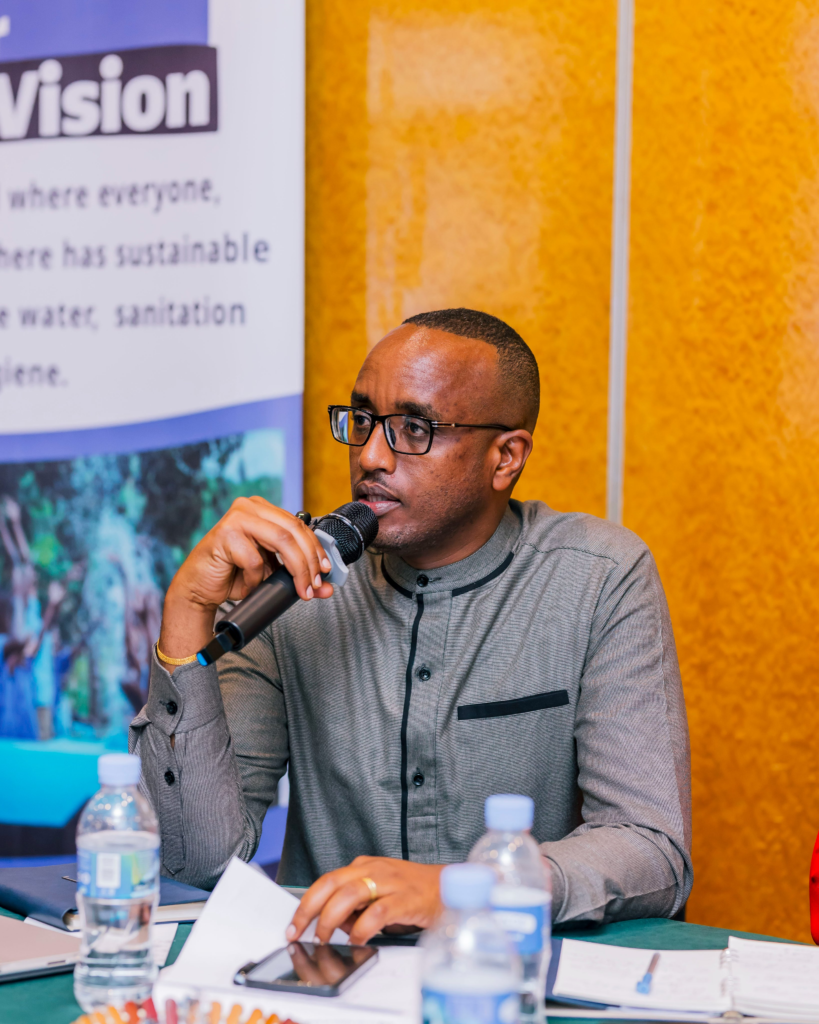
This was discussed during the World Water Day 2026 stakeholder dialogue held in Bugesera District on 24 March 2026, where government officials, development partners, and community representatives met to reflect on progress and challenges in the water, sanitation, and hygiene (WASH) sector.
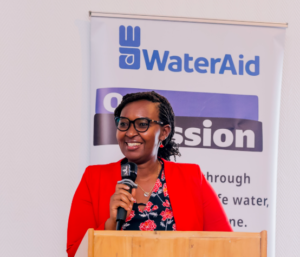
During the event, WaterAid Rwanda Country Director Vestine Mukeshimana emphasized that water challenges are not gender-neutral, as they affect women and girls more than others.
“It is my great pleasure to welcome you all and appreciate your time being with us here today and this afternoon as we celebrate World Water Day with a theme of water and gender for a reason, because the burden of water scarcity falls more heavier on women and girls than the rest of humanity,” she said.
She explained that in many communities, women and girls are responsible for fetching water, often walking long distances every day. This reduces their time for education, work, and rest, and exposes them to safety risks.
Participants at the dialogue agreed that improving water access must go hand in hand with promoting gender equality.
The Chief Executive Officer of WASAC Group, Dr. Asaph Kabaasha, reaffirmed the government’s commitment to ensuring that all Rwandans have access to water by 2029, while recognizing that this goal cannot be achieved alone.
“Every person on the Rwandan soil should have water access by twenty twenty-nine. And one thing we acknowledge is that this is not something that the government on its own can achieve. The contributions of the stakeholders are very important,” he said.
He also appreciated the role of partners in supporting the expansion of water services across the country.
“As WASAC, it’s our mandate actually to provide water to the people of Rwanda. So you’re generously supporting us in our mandate,” he added.
At the local level, Bugesera District leaders highlighted how access to water directly affects development and people’s well-being.
Mayor Richard Mutabazi noted that ensuring safe water and sanitation services is key to improving both health and economic growth.
“The government of Rwanda recognizes that universal access to safe water and sanitation is essential for public health and socioeconomic development. This stakeholder’s dialogue provides us with an opportunity to reflect on our progress, address challenges we face, and strengthen collaboration as we work towards sustainable water access for all,” he said.
Bugesera is among the districts that have historically faced water shortages, making the issue even more urgent for its residents, especially women and girls.
The Director General of Water and Sanitation at the Ministry of Infrastructure, Gemma Maniraruta, stressed that water access cannot be separated from sanitation and hygiene.
“We all have water in front of us, but keeping in mind that somewhere someone is drinking water that is not clean. Sometimes we limit ourselves to water, but no one can talk about water forgetting sanitation,” she said.
She also highlighted that at the household level; women are the ones most affected.
“Yes, the theme is all about water and gender, but in our local communities, we know who carries the burden of water at homes. So, wherever we are having priorities, let’s also have water and sanitation the top priorities as a fundamental human right,” she added.
The dialogue ended with a shared commitment to strengthen partnerships, invest in water infrastructure, and promote inclusive solutions that respond to the needs of women and girls.
As Rwanda continues its journey toward universal water access, leaders say addressing gender inequality in water access will be critical to achieving lasting change and improving the lives of communities across the country.
Clean water, decent toilets, and good hygiene are essential for saving lives and improving health outcomes. Health experts note that up to 50% of maternal sepsis cases can be prevented through proper Water, Sanitation, and Hygiene (WASH) services. However, many women and girls still lack access to these basic services, especially in underserved communities.