Corruption in Africa’s education systems is denying millions of children especially girls, learners with disabilities, and children from poor families their basic right to education. Transparency International has warned that without urgent, gender-responsive reforms, inequality and discrimination in schools will continue to grow across the continent.
This call was made following the release of a new regional education policy brief titled “Leaving No Learner Behind: Tackling Corruption and Discrimination in Education Across Africa.” The report was launched today on 27/01/2026 and highlights how corruption is harming access to education in several African countries.
The policy brief is based on Corruption Risk Assessments (CRAs) conducted in five African countries:
Democratic Republic of Congo (DRC), Ghana, Madagascar, Rwanda, and Zimbabwe.

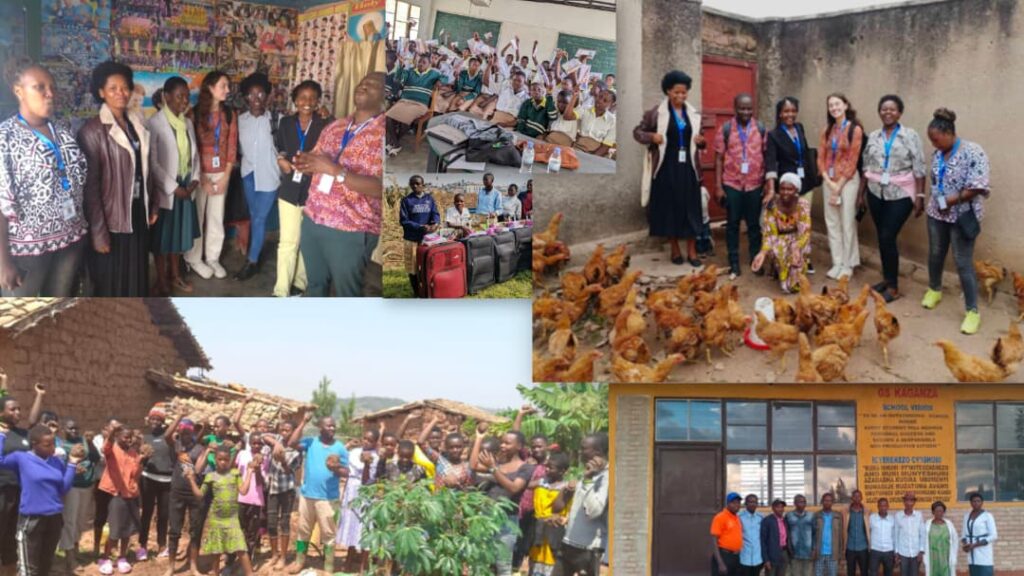
The assessments were carried out under the Inclusive Service Delivery in Africa (ISDA) project, a regional initiative led by Transparency International. The project focuses on improving access to education and healthcare services for women, girls, and other marginalized groups.
The findings show that corruption is not just a financial problem it is a human rights issue that deepens discrimination and social exclusion.
Corruption at the Heart of Education Systems
According to the report, corruption is most common at points where schools interact directly with learners and families. These include:
- School admissions
- Exam grading
- Teacher recruitment
- Payroll systems
- Public procurement and school resources
Common corrupt practices include bribery, sextortion, nepotism, payroll fraud, and misuse of school funds. These actions reduce trust in public education and damage learning outcomes.
🛑 Sextortion, where learners especially girls are forced to exchange sexual favors for grades, admission, internships, or scholarships, is highlighted as one of the most serious but underreported forms of corruption.
Gendered and Discriminatory Corruption
The policy brief shows that corruption affects different groups in different ways:
- 👩🎓 Girls and young women face sexual harassment and sextortion but often remain silent due to fear, shame, and weak reporting systems.
- ♿ Learners with disabilities face exclusion because of inaccessible schools, illegal fees, and discrimination.
- 🌍 Poor and rural families are often locked out of education due to hidden charges, favoritism, and unfair bursary allocation.
Country-Specific Findings Paint a Grim Picture
The report reveals alarming statistics from the five countries studied:
- 🇨🇩 DRC: Over 56% of respondents said they paid or witnessed bribes to secure school admission.
- 🇲🇬 Madagascar: More than 60% of parents of children with disabilities reported exclusion linked to illegal fees and discrimination.
- 🇬🇭 Ghana: Payroll fraud and ghost workers continue to drain money meant for underserved schools.
- 🇷🇼 Rwanda: Integrity risks were found in exam grading, internships, and school feeding programs, with female students at high risk of sextortion.
- 🇿🇼 Zimbabwe: 72% of respondents reported bribery in school admissions, along with high levels of sexual coercion.
These practices seriously undermine progress toward the Sustainable Development Goals, especially:
- SDG 4: Quality Education
- SDG 5: Gender Equality
- SDG 16: Peace, Justice, and Strong Institutions
Voices from Transparency International
Speaking on the findings, Paul Banoba, Africa Regional Advisor at Transparency International, said corruption in education is a direct attack on human dignity:
🗣️ “Corruption in education is not a victimless administrative failure. It is an assault on human rights and social justice. If we truly want to leave no learner behind, governments must act now. Education integrity is the foundation of Africa’s future.”
Albert Rwego Kavatiri, ISDA Project Regional Education Expert and Program Manager at Transparency International Rwanda, emphasized the role of accountability:
🗣️ “Corruption thrives where oversight is weak. Without gender-sensitive accountability, empowered communities, and transparent systems, inclusive education will remain a dream for millions of learners.”
Weak Oversight Makes the Problem Worse
The policy brief also points to weak oversight as a major cause of corruption. Structures such as Parent Teacher Associations (PTAs), school boards, and community committees often lack:
- Legal authority
- Financial resources
- Protection from intimidation
As a result, many abuses go unpunished.
A Call for Strong National and Pan-African Action
Transparency International has calling on African governments and regional bodies to take bold action, including:
✅ Recognizing sextortion as a form of corruption and enforcing zero-tolerance policies
✅ Creating safe and confidential reporting systems for victims
✅ Introducing transparent, merit-based recruitment and digital payroll systems
✅ Strengthening public procurement oversight
✅ Empowering communities and regional institutions to monitor reforms
About the ISDA Project
The Inclusive Service Delivery in Africa (ISDA) project is a four-year regional initiative (2022-2026) implemented by Transparency International and its national chapters in DRC, Ghana, Madagascar, Rwanda, and Zimbabwe. The project works to promote transparency, accountability, and inclusive access to education and healthcare services across Africa.

TCN || The Comments News
Source: Transparency International Rwanda – Helping Comunity